In the rapidly evolving landscape of container fabrication, staying ahead of emerging trends is crucial for industry professionals. As we look toward 2025, it becomes essential to identify the key developments that will shape the future of this sector.
According to Dr. Emily Chen, a leading expert in container fabrication, "Understanding the trends in container fabrication not only enhances operational efficiency but also drives innovation in sustainable practices." Her insights emphasize the need for industry players to adapt and innovate as consumer demands and technology continue to shift.
As we explore the top ten trends in container fabrication for 2025, we will delve into the influences of automation, sustainability, and modular designs. These trends are poised to redefine the standards of efficiency, cost-effectiveness, and environmental responsibility in the container fabrication industry. By examining these pivotal changes, stakeholders can better position themselves in a competitive market that increasingly values modern solutions and sustainable practices.
Join us as we uncover the trends that will not only impact container fabrication but also influence the broader logistics and manufacturing sectors in the future.
The landscape of container fabrication is undergoing a significant transformation driven by emerging technologies. Advanced automation and robotics are becoming instrumental in enhancing precision and efficiency in the production process. With the integration of these technologies, manufacturers can achieve consistent quality while minimizing operational costs. This shift not only accelerates the fabrication timeline but also reduces waste, aligning with the growing emphasis on sustainable practices within the industry.
Additionally, innovations in materials science are revolutionizing container fabrication methods. The development of lightweight and durable materials, such as composites and advanced polymers, allows for the design of more resilient containers that can withstand harsh environmental conditions. Coupled with 3D printing technology, manufacturers can now create complex geometries that were previously unattainable, ensuring that containers meet specific functional requirements while optimizing performance. These advancements are setting the stage for a new era in container fabrication, driving competitiveness and fostering innovation across the sector.
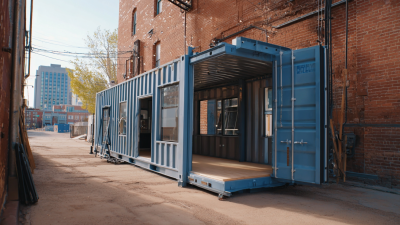
This chart displays the top 10 trends in container fabrication for 2025, showcasing how emerging technologies are revolutionizing the methods used.
The global green methanol shipping market is set to expand significantly, with its valuation projected to grow from $5.85 billion in 2025 to an astounding $33.42 billion by 2032, reflecting a compound annual growth rate (CAGR) of 28.3% from 2025 to 2032. This surge is indicative of the broader shift towards sustainable practices in various industries, including container fabrication. As manufacturers embrace greener alternatives, the containers themselves are evolving to minimize their environmental footprint, aligning with global sustainability goals.
In the automotive sector, the demand for environmentally-friendly transport solutions is unprecedented. With China's automotive export hitting a record high of 491,000 vehicles in 2023—an increase of 58%—local shipyards are accelerating the construction of ro-ro (roll-on/roll-off) vessels. This shift not only addresses the growing need for efficient transport of automobiles but also responds directly to escalating environmental concerns, underscoring a transformative trend towards sustainable practices in shipping and container production. Such developments highlight the industry's commitment to reducing emissions and enhancing energy efficiency in their operations.
The evolution of container fabrication is increasingly influenced by innovative materials that enhance strength and durability. According to a report by the National Institute of Standards and Technology, containers made from advanced composites like carbon fiber reinforced polymers have seen a 30% increase in strength-to-weight ratios compared to traditional steel containers. This advancement is crucial as it not only improves the overall integrity of the containers but also reduces transportation costs due to lighter weights.
Furthermore, the adoption of coatings that provide superior resistance to environmental factors is on the rise. A study published in the Journal of Protective Coatings & Linings highlighted that containers treated with nanotechnology-based coatings exhibited a 50% decrease in corrosion rates over five years. This longevity translates into reduced maintenance costs and a longer lifecycle for the shipping containers, reinforcing the trend towards sustainability in the industry. As companies seek to optimize their operations, understanding these material innovations will be essential for staying competitive in the market.
In recent years, the integration of automation and robotics in container fabrication has emerged as a driving force behind industry advancements. Reports indicate that the global market for industrial automation is expected to reach $214 billion by 2025, reflecting a compound annual growth rate (CAGR) of 8.5% from 2020 to 2025. This rise is attributed to the increasing need for efficiency and precision in manufacturing processes, particularly in container fabrication where complex designs and high-quality standards are paramount.
Robotics plays a crucial role in streamlining these fabrication processes. Collaborative robots, or cobots, are increasingly utilized on the production floor, enhancing productivity by working alongside human operators. According to a study by the International Federation of Robotics, the deployment of robots in manufacturing can lead to productivity increases of up to 30%. This shift not only reduces labor costs but also minimizes the risk of errors and defects, ensuring that container production meets stringent industry regulations and customer expectations. As we approach 2025, the synergy of automation and robotics will undoubtedly shape the future of container fabrication, driving innovation and competitive advantage in the market.
| Trend | Description | Impact |
|---|---|---|
| 1. Increased Automation | Integration of automated systems in container fabrication to enhance efficiency. | Reduces labor costs and increases production speed. |
| 2. Advanced Robotics | Use of robotic arms for precision tasks in container assembly. | Improves accuracy and decreases material waste. |
| 3. Smart Technology Integration | Incorporating IoT devices for real-time monitoring. | Enhances decision making and predictive maintenance. |
| 4. Eco-friendly Materials | Shift towards sustainable materials for container production. | Reduces environmental impact and increases compliance. |
| 5. Modular Design Trends | Focus on modular designs to enhance versatility. | Facilitates easier modifications and upgrades. |
| 6. Digital Twins Technology | Creating digital replicas of physical containers for simulation. | Allows for better forecasting and planning. |
| 7. Supply Chain Automation | Automation of supply chain processes in fabrication. | Improves efficiency and reduces delays. |
| 8. AI in Process Optimization | Leveraging AI algorithms to optimize fabrication processes. | Enhances productivity and reduces operational costs. |
| 9. Predictive Analytics | Utilizing data analytics for predicting trends and demands. | Improves strategic planning and resource allocation. |
| 10. Customization Options | Increased demand for customizable container solutions. | Meets diverse customer needs and enhances satisfaction. |
The global market for container fabrication is experiencing transformative changes driven by various trends in design and manufacturing practices. Among the most notable factors is the shift towards sustainable packaging solutions, especially in the food packaging sector, which is projected to reach USD 42.5 billion by 2035, growing at a robust CAGR of 6.9% from 2025. This reflects a growing awareness and demand for environmentally responsible products, pushing manufacturers to innovate and adopt biodegradable materials and designs that minimize waste.
Additionally, the intermediate bulk container (IBC) market is expected to see substantial growth, with a projected value of around USD 25.64 billion by 2034, increasing from USD 16.03 billion in 2025. This growth highlights the need for efficient bulk handling and transportation solutions as global trade expands. Furthermore, the clinical trial packaging market is also on the rise, expected to grow from USD 3.06 billion in 2024 to USD 5.46 billion by 2030, indicating a heightened focus on the packaging of pharmaceuticals and their compliance with stringent regulations.
These trends underscore the dynamic nature of the container fabrication market, shaped significantly by global consumer demands and regulatory pressures.
Subscribe to our newsletter for the latest news and exclusive offers.
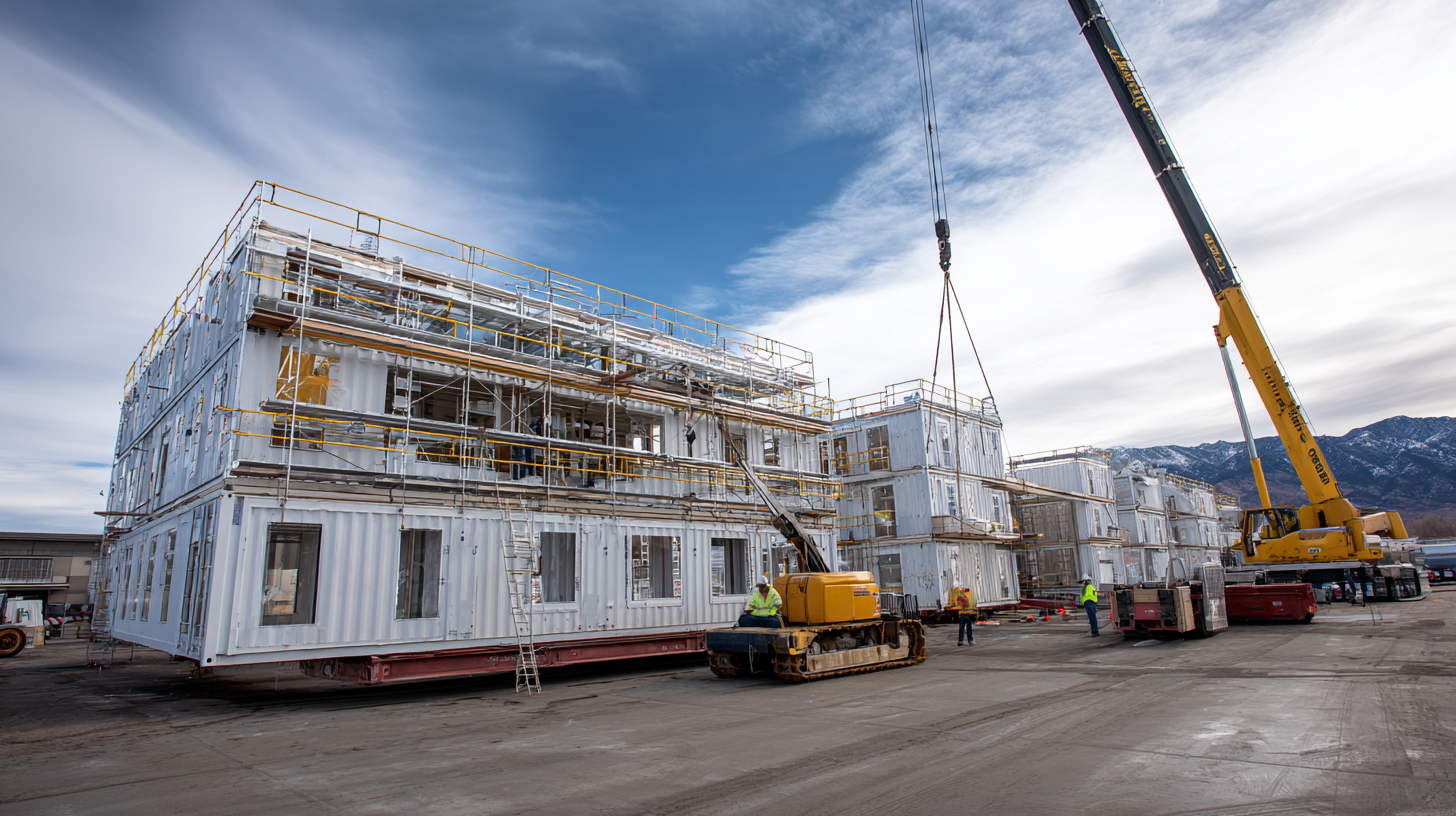
We hold a long-term view when we build modular rooms taking into consideration your changing needs. Whether it’s shifting your workspace to a new site, redesigning your unit to fit new requirements, or simply clearing the area at the end of the project, our Dismantling & Reassembling teams are pressed into service to get the job done in the quickest possible time and minimum resource wastage.
We understand that every project is unique and therefore has a different set of requirements. That’s why we believe in customizing our solutions to fit individual needs. We are equipped with the right talents, technology, and skillset to offer bespoke modular units, without compromising on turnaround time or quality.
The benefits of choosing Containers ME continues long after the installation of the units as we provide aftersales service for as long as you need. All you have to do is sign the Annual Maintenance Contract (AMC) and enjoy technical support for all the maintenance-related issues. By signing the contract, you can rest assured that a highly professional team of dedicated staff are at your service all year round to attend to your needs.
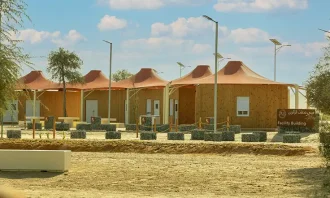
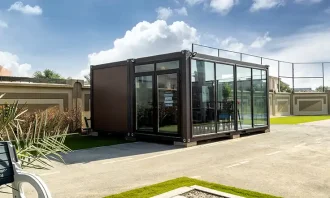
We specialize in Customized Container Solutions designed to meet diverse needs across the UAE. Our offerings include customized modular containers that cater to various applications, from tailor-made container solutions to bespoke container designs.
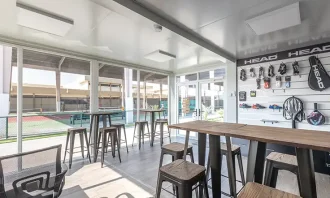
Whether you’re looking for personalized container homes or custom modular containers, we have you covered. Our customized container offices provide functional workspaces, while our customized portable containers ensure flexibility on-site. Explore our range of custom container storage units and customized cargo containers to optimize your space.
We also offer custom container leasing and custom container fabrication services, along with customized sea containers designed for secure transport. For specialized needs, our specialized container modifications will help you create the perfect solution for your requirements in both Dubai and the broader UAE.