Blogs

What is an AI Powered Optical Sorter and How Does It Work?

The rise of technology has led to innovative solutions in various industries. One such advancement is the AI-Powered Optical Sorter. This machine utilizes artificial intelligence to enhance sorting processes, especially in manufacturing and recycling. It analyzes different materials with precision, distinguishing between various items based on shape, size, and color.

AI-Powered Optical Sorters bring efficiency to operations. Their ability to quickly identify and categorize materials saves time and reduces human error. In the recycling industry, for instance, these sorters play a critical role. They improve the quality of recycled materials, contributing to sustainable practices. However, the technology is not without challenges. Proper calibration and occasional errors occur, requiring ongoing adjustments and human oversight.

Understanding how an AI-Powered Optical Sorter operates reveals its potential and limitations. While its effectiveness in increasing productivity is evident, it is crucial to consider its drawbacks. The balance between efficiency and occasional errors highlights the need for continuous learning in AI systems.
What is an AI Powered Optical Sorter and How Does It Work?

What is an AI Powered Optical Sorter?

AI powered optical sorters are advanced machines that enhance sorting processes across various industries. These systems use artificial intelligence to analyze and categorize materials based on specific attributes. They excel at identifying colors, shapes, and sizes, which improves sorting accuracy. With high-resolution cameras and sophisticated algorithms, these machines can make real-time decisions that human workers may find challenging.

One notable advantage of AI optical sorters is their efficiency. They can process large volumes of materials quickly, which reduces operational downtime. However, not every material can be sorted perfectly. Some mixed or damaged items may still slip through. Continuous learning algorithms are employed to improve sorting accuracy over time, but imperfections can still exist. Engineers often need to refine these systems to handle unique material types effectively.

Implementing AI powered optical sorters can be a significant investment. Organizations must weigh the upfront costs against potential long-term benefits. While many systems provide a strong return on investment, their effectiveness may vary by application. Close monitoring and adjustments are often necessary to maximize performance. In a fast-evolving technological landscape, understanding these nuances is critical for operational success.


Key Components of AI Powered Optical Sorting Systems

AI powered optical sorting systems are transforming industries by enhancing efficiency. These systems rely on advanced artificial intelligence to analyze and categorize materials. The key components of these systems play vital roles in their functionality.

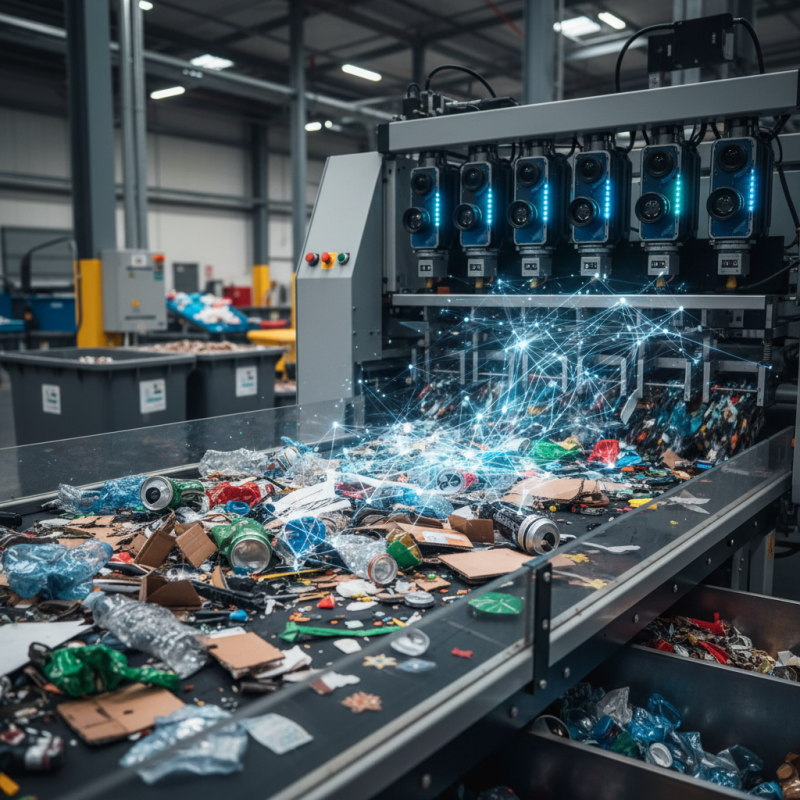
At the core of an AI powered optical sorter is a high-resolution camera system. This technology captures detailed images of the items moving along the conveyor belt. Image processing algorithms then assess these images in real-time. This allows for precise separation based on color, size, or shape. Lighting systems are also crucial. They ensure optimal visibility, helping the cameras detect even slight variations in materials.

Another important aspect is machine learning algorithms. These algorithms continuously improve performance by learning from past sorting decisions. Over time, they adapt to new materials and conditions. Calibration is essential, too. Systems must periodically recalibrate to maintain accuracy. Despite these advancements, challenges remain. Different materials can sometimes confuse the system, requiring human oversight to ensure quality standards are met. Hence, ongoing adjustments and human input are vital for successful operation.

How AI Algorithms Enhance Sorting Accuracy

AI algorithms have revolutionized the way optical sorting systems function. These advanced technologies enhance sorting accuracy by analyzing millions of data points within seconds. According to a report by MarketsandMarkets, the optical sorting market is projected to reach USD 2.1 billion by 2025. This growth highlights the increasing reliance on AI to improve operational efficiency in various industries, including agriculture and recycling.

AI uses powerful machine learning techniques to distinguish between different materials. For instance, it can identify defects in products or sort items by color and shape with remarkable precision. Recent studies show that AI-powered sorters can increase accuracy rates to over 99%, significantly reducing human error. Yet, challenges remain. Environmental variations and product inconsistencies can impact the sorting outcomes, necessitating continuous model retraining.

Tips for implementing AI sorting: Start with pilot projects to evaluate performance. Focus on training datasets to enhance algorithm reliability. Regular maintenance and software updates are crucial for sustained accuracy. While these systems greatly improve efficiency, they also require a commitment to regularly assess their effectiveness. Adjustments based on real-world performance can further refine their capabilities.

The Process of Sorting: From Input to Output

AI-powered optical sorters have revolutionized the sorting process across various industries. The initial phase begins with input materials moving onto a conveyor belt, where sensors take over. These sensors use advanced imaging technology to capture multiple dimensions of the items, including size, shape, color, and even surface texture. According to a recent industry report, companies employing such technology have seen a reduction in labor costs by up to 30%.


Once the items are scanned, AI algorithms analyze the data in real-time. They compare the features against predefined criteria to identify and categorize each piece. This decision-making process occurs in milliseconds, significantly speeding up sorting operations. Research indicates that these systems can achieve over 95% accuracy, enhancing operational efficiency. However, some challenges remain. Variability in input materials can lead to misclassifications. This highlights a need for continuous learning in AI models to improve recognition capabilities.


The final phase of sorting involves automatic removal of non-conforming items. Pneumatic systems or mechanical arms efficiently separate the outputs with precision. Industry experts note that slight inaccuracies in sensor data can affect the overall yield. Continuous improvements and updates in the algorithms are essential for maintaining high standards. The quest for better accuracy and efficiency continues, driving innovation in the field of optical sorting technology.

Applications of AI Powered Optical Sorters in Various Industries

AI-powered optical sorters play a crucial role in various industries, enhancing efficiency and accuracy. These systems utilize artificial intelligence to analyze and classify objects based on predefined criteria. In agriculture, for instance, they can differentiate between ripe and unripe fruits. This precision reduces waste and maximizes harvest quality.

In the recycling sector, these sorters efficiently identify and separate materials like plastics, metals, and paper. Their ability to process items swiftly contributes to a more streamlined recycling process. However, they may struggle with heavily contaminated materials, showing the need for ongoing improvements in technology.

Manufacturers in the food industry benefit significantly from optical sorters. They ensure that products meet safety standards and remove any defective items from production lines. However, instances of false positives can arise, requiring human oversight. While the technology offers remarkable advancements, reliance solely on machines may overlook subtleties. It highlights the ongoing need for a balance between automation and human judgment.

Plug & Play Installation

Our installation services are top-notch, delivering modular systems for any application on time in plug & play condition. We leave nothing for you to figure out, set up, or fix. All you’ve to do is just step in, and get going with your business.

Dismantling & Reassembling

We hold a long-term view when we build modular rooms taking into consideration your changing needs. Whether it’s shifting your workspace to a new site, redesigning your unit to fit new requirements, or simply clearing the area at the end of the project, our Dismantling & Reassembling teams are pressed into service to get the job done in the quickest possible time and minimum resource wastage.

Interior Designing

Our interior designs combine both functional and aesthetic aspects to provide you with physical and emotional comfort. We ask you for your preferences and give the best possible solutions aligned to your tastes. Our units are built to be modern, stylish, and elegant.

Bespoke Solutions

We understand that every project is unique and therefore has a different set of requirements. That’s why we believe in customizing our solutions to fit individual needs. We are equipped with the right talents, technology, and skillset to offer bespoke modular units, without compromising on turnaround time or quality.

Aftersales Service

The benefits of choosing Containers ME continues long after the installation of the units as we provide aftersales service for as long as you need. All you have to do is sign the Annual Maintenance Contract (AMC) and enjoy technical support for all the maintenance-related issues. By signing the contract, you can rest assured that a highly professional team of dedicated staff are at your service all year round to attend to your needs.

Customized Container Solutions

We specialize in Customized Container Solutions designed to meet diverse needs across the UAE. Our offerings include customized modular containers that cater to various applications, from tailor-made container solutions to bespoke container designs.

Whether you’re looking for personalized container homes or custom modular containers, we have you covered. Our customized container offices provide functional workspaces, while our customized portable containers ensure flexibility on-site. Explore our range of custom container storage units and customized cargo containers to optimize your space.

We also offer custom container leasing and custom container fabrication services, along with customized sea containers designed for secure transport. For specialized needs, our specialized container modifications will help you create the perfect solution for your requirements in both Dubai and the broader UAE.

Get a quote

Get a quote