Blogs

What is an Auto Transformer and How Does it Work?

An Auto Transformer is a valuable electrical device widely used in various applications. It operates on the principle of electromagnetic induction. Unlike traditional transformers, it has a single winding that acts as both input and output. This unique structure allows for efficient voltage transformation.

Many engineers and technicians rely heavily on Auto Transformers for their simplicity and effectiveness. They are often used in voltage regulation and zero-voltage switching. However, it is crucial to note that these devices do have limitations, such as lower isolation between circuits. Awareness of these limitations is essential for safe usage.

Understanding how an Auto Transformer works can unlock its potential benefits. This includes reducing energy losses and improving performance in electrical systems. However, users should approach this technology with caution, ensuring they grasp the risks involved. The Auto Transformer's design offers both advantages and challenges that require careful consideration.
What is an Auto Transformer and How Does it Work?

What is an Auto Transformer: Definition and Basic Principles

An auto transformer is a type of electrical transformer that is designed for efficiently stepping up or stepping down voltage levels. Unlike conventional transformers, which have separate primary and secondary windings, an auto transformer uses a single winding that serves both functions. This design not only reduces material costs but also minimizes losses, making auto transformers more efficient. According to industry reports, the global auto transformer market was valued at approximately $3 billion in 2020, with projections to grow steadily due to increased demand for energy-efficient devices.

The fundamental operating principle of an auto transformer lies in the transformation ratio. By adjusting the tap points along its winding, the voltage can be increased or decreased as needed. This capability is particularly beneficial in applications like electric motors and industrial machinery, where precise voltage control is crucial. Research indicates that auto transformers can achieve up to 98% efficiency compared to traditional transformers, making them a preferred choice in many applications. However, one must consider potential shortcomings, such as a lack of electrical isolation between input and output, which may pose risks in certain settings.

In practice, while auto transformers are advantageous, they should be chosen with care. Their design makes them less suitable for some applications where electrical isolation is paramount. Understanding their limitations is essential for engineers and technicians. Adopting these systems means balancing efficiency with safety and reliability, ensuring stakeholders are well-informed.

Key Components of Auto Transformers and Their Functions

Auto transformers are efficient electrical devices used to change voltage levels. Understanding their key components helps in grasping how they function.

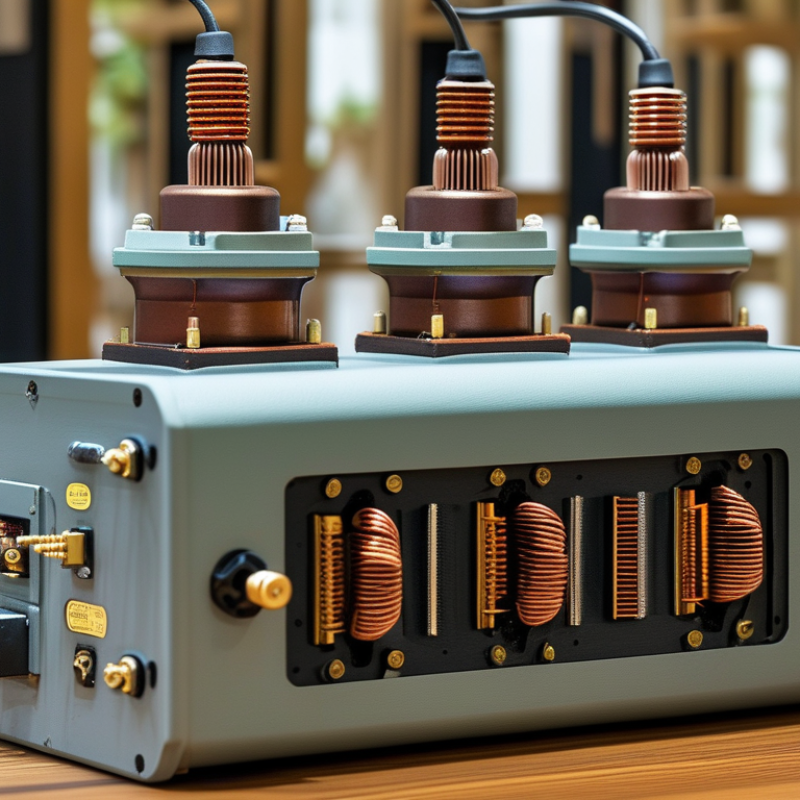
One main component is the winding. It consists of a single coil wrapped around a core. The winding is divided into sections, making it easy to tap different voltage levels. The input section connects to the power supply, while the output section delivers the desired voltage. This design reduces the amount of copper used, making auto transformers lighter and more compact. However, using less material can lead to higher losses in certain applications.

Another crucial element is the core. The core's material affects the transformer's efficiency. Typically made of silicon steel, it enhances magnetic properties. A well-designed core minimizes energy losses, but also raises production costs. Balancing cost and efficiency can be challenging. Lastly, the casing protects the internal components and ensures safety. It's essential to choose materials that can withstand environmental factors while still being affordable. Auto transformers may have downsides, but understanding their components can improve usage and performance.

How Auto Transformers Operate: Voltage Transformation Mechanism

An auto transformer is a type of electrical transformer used for voltage transformation. Its construction is unique. Unlike traditional transformers, an auto transformer uses a single winding. This winding acts as both the primary and secondary coil, allowing for a more compact design. This feature makes auto transformers particularly efficient in applications where size and weight are critical factors.

The voltage transformation mechanism is quite fascinating. When voltage is applied across the winding, it induces a magnetic field. This field allows a portion of the winding to share voltage. For example, if the winding has taps, each tap draws different voltage levels. This mechanism enables precise control over the output voltage. However, there can be drawbacks. If not properly designed, voltage imbalances may occur. Moreover, they lack electrical isolation, which may pose safety risks in certain applications.

Auto transformers are often employed in power distribution and motor starting. They help reduce energy losses, making them more efficient. Yet, their susceptibility to overloading can lead to failures. It's crucial to analyze their performance based on the load conditions. Regular monitoring can help mitigate potential risks. This balance between efficiency and reliability makes auto transformers an essential component in various settings.

Applications of Auto Transformers in Electrical Systems and Industries

Auto transformers are widely used in various electrical systems and industries due to their unique efficiency and versatility. These devices can change voltage levels while saving space and material. In industrial settings, auto transformers often power large motors and machinery. Their capability to handle significant loads makes them ideal for these applications.


In power distribution, auto transformers play a crucial role in regulating voltage. They help improve energy efficiency and reduce losses. Many industries utilize them for load balancing and voltage regulation. However, the use of auto transformers also comes with limitations. For example, they do not provide electrical isolation, which can lead to safety concerns in certain scenarios.


Additionally, auto transformers are found in renewable energy systems. They aid in connecting solar panels to the grid efficiently. Yet, not all setups benefit from their use. Careful analysis is needed to ensure the correct application. Overall, while auto transformers offer many advantages, the context of their application must be evaluated thoroughly.

Advantages and Disadvantages of Using Auto Transformers in Power Systems

Auto transformers play a significant role in power systems, with both advantages and disadvantages to consider. One notable advantage is their efficiency. Unlike conventional transformers, auto transformers use fewer windings. According to the Institute of Electrical and Electronics Engineers (IEEE), this can lead to energy savings of up to 15% in transmission losses. Their compact design also allows for a reduced footprint, making them ideal for space-limited installations.

However, auto transformers come with limitations. They lack galvanic isolation between input and output. This poses a risk in systems where electrical separation is critical, particularly in high-voltage applications. A report by the International Electrotechnical Commission (IEC) indicates that this risk can lead to safety hazards during faults. Moreover, auto transformers may have a limited regulation range, which can affect their performance under varying loads. While they are effective in many scenarios, it’s essential to evaluate these risks thoroughly.

Certain applications, such as railway systems, can benefit from auto transformers' seamless voltage adjustments. However, the absence of galvanic isolation may not be acceptable in sensitive environments. Thus, a careful consideration of their operational context is vital. As the demand for efficient power solutions grows, exploring the balance of benefits and potential pitfalls of auto transformers is crucial.

Plug & Play Installation

Our installation services are top-notch, delivering modular systems for any application on time in plug & play condition. We leave nothing for you to figure out, set up, or fix. All you’ve to do is just step in, and get going with your business.

Dismantling & Reassembling

We hold a long-term view when we build modular rooms taking into consideration your changing needs. Whether it’s shifting your workspace to a new site, redesigning your unit to fit new requirements, or simply clearing the area at the end of the project, our Dismantling & Reassembling teams are pressed into service to get the job done in the quickest possible time and minimum resource wastage.

Interior Designing

Our interior designs combine both functional and aesthetic aspects to provide you with physical and emotional comfort. We ask you for your preferences and give the best possible solutions aligned to your tastes. Our units are built to be modern, stylish, and elegant.

Bespoke Solutions

We understand that every project is unique and therefore has a different set of requirements. That’s why we believe in customizing our solutions to fit individual needs. We are equipped with the right talents, technology, and skillset to offer bespoke modular units, without compromising on turnaround time or quality.

Aftersales Service

The benefits of choosing Containers ME continues long after the installation of the units as we provide aftersales service for as long as you need. All you have to do is sign the Annual Maintenance Contract (AMC) and enjoy technical support for all the maintenance-related issues. By signing the contract, you can rest assured that a highly professional team of dedicated staff are at your service all year round to attend to your needs.

Customized Container Solutions

We specialize in Customized Container Solutions designed to meet diverse needs across the UAE. Our offerings include customized modular containers that cater to various applications, from tailor-made container solutions to bespoke container designs.

Whether you’re looking for personalized container homes or custom modular containers, we have you covered. Our customized container offices provide functional workspaces, while our customized portable containers ensure flexibility on-site. Explore our range of custom container storage units and customized cargo containers to optimize your space.

We also offer custom container leasing and custom container fabrication services, along with customized sea containers designed for secure transport. For specialized needs, our specialized container modifications will help you create the perfect solution for your requirements in both Dubai and the broader UAE.

Get a quote

Get a quote