Blogs

Why Choose Metal Balusters for Modern Staircases?

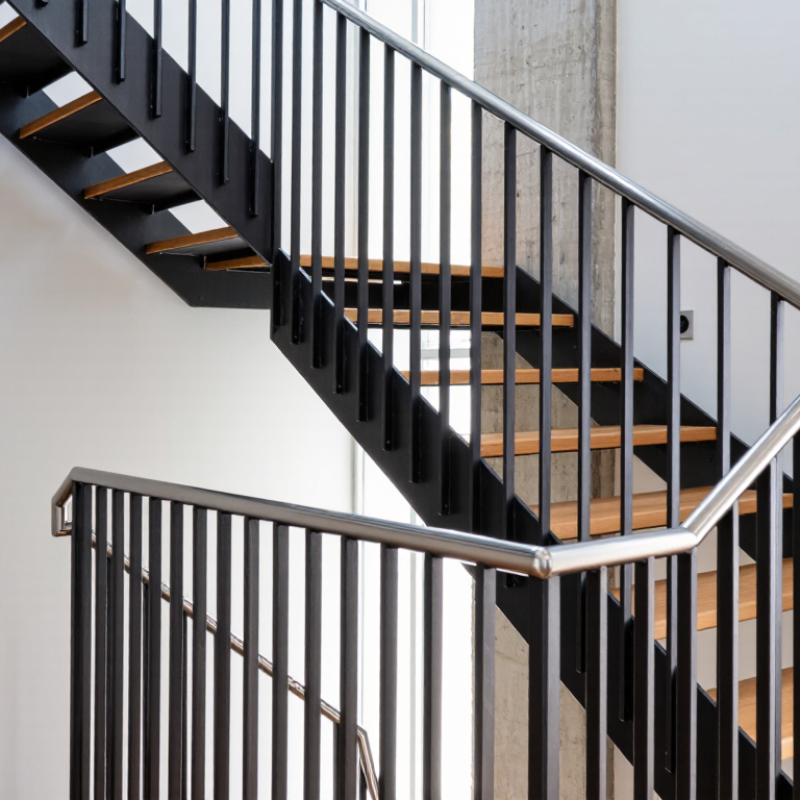
Modern staircases often look effortless, but their visual balance depends on carefully chosen details. Metal Balusters create that balance with slim profiles, crisp lines, and a durable surface that suits contemporary interiors. They can frame a staircase without making it feel enclosed. Light still passes between each spindle. The space feels more open.

Dieter Rams, a respected industrial designer, said, “Good design is as little design as possible.” This principle applies well to Metal Balusters. A simple round or square profile can support a clean architectural style without competing with timber treads, glass panels, or concrete walls. Powder-coated black steel adds a strong, matte accent. Brushed stainless steel feels brighter and more refined. Small differences matter.

They are practical, too. Metal resists everyday knocks better than many decorative alternatives, especially in busy homes, offices, and hospitality spaces. Yet durability alone is not enough. Spacing, handrail height, fixing methods, and surface quality deserve professional attention. A beautiful baluster can still feel wrong when its proportions are careless.

That is the honest part.

Metal Balusters are not automatically the best choice for every staircase. Coastal air, maintenance habits, budget, and the building’s existing character can change the decision. Qualified fabricators should verify measurements and applicable safety requirements before installation. A thoughtful design considers both appearance and use. It should feel light, remain secure, and age with dignity. Sometimes, the smallest metal detail carries the entire staircase.
Why Choose Metal Balusters for Modern Staircases?

Definition and Role of Metal Balusters in Modern Staircases

Metal balusters are vertical stair components placed between the handrail and stair treads. They create the visible guard while helping prevent falls through open stair edges. Unlike the handrail, they are not designed for gripping. Their role is supportive, protective, and visual.

In modern staircases, metal balusters often use steel or aluminum with slim profiles. Their clean lines allow more light to pass through the stairwell. This can make a narrow hallway feel less crowded. They also provide a stable framework for the handrail, especially on open-riser stairs.

From practical installation experience, accurate spacing matters as much as the material. Uneven gaps can weaken the design visually, even when the structure remains sound. Local building requirements should guide spacing and height decisions. A qualified installer can verify these details before fabrication.

Tips: Measure each tread, not only the total staircase width. Small differences can affect the final alignment. Choose a finish that suits daily use, because fingerprints and dust may appear on darker surfaces. Matte finishes often hide minor marks better. Also, avoid selecting extremely thin balusters only for appearance. They may look elegant, but the overall system still needs appropriate strength and secure connections. A slightly imperfect layout is sometimes unavoidable in older homes. Careful adjustment can make it look intentional.
Key Materials and Finishes Used in Metal Baluster Design

Why Choose Metal Balusters for Modern Staircases?

Metal balusters bring slim profiles, clear sightlines, and a firm, engineered feel to modern staircases. In site inspections, I have found that steel suits busy interiors because it resists impact better than many lightweight alternatives. World Steel Association data recorded about 1.85 billion tonnes of crude steel production in 2023, showing the material’s enormous industrial scale and established supply base.

Material selection still changes the staircase’s character. Stainless steel provides corrosion resistance and a cool, brushed surface, while mild steel offers more economical fabrication and broader finish options. Aluminum weighs less and works well where installers must reduce handling effort. The International Aluminium Institute reports that recycled aluminum uses roughly 5% of the energy required for primary production. That matters for projects tracking embodied energy.

Finish quality deserves equal attention. Powder coating creates consistent color and helps protect steel from abrasion, but edges, welds, and drilled openings remain vulnerable. AAMA 2604 and 2605 standards provide useful performance benchmarks for architectural coatings, although the specification should match exposure conditions. I prefer satin textures indoors because fingerprints disappear more easily. Gloss can look sharper, but it often reveals dust. My earlier specifications sometimes focused too heavily on appearance. Maintenance access should have been considered sooner. Salt air changes the decision.

Why Choose Metal Balusters for Modern Staircases?

Typical density of key metals used in baluster construction

Stainless steel and carbon steel provide high strength and a solid, substantial feel, while aluminum is significantly lighter and easier to handle during installation. Wrought iron remains a traditional choice for decorative profiles. Common finishes include brushed stainless steel, polished stainless steel, powder coating, and hot-dip galvanizing. These finishes improve appearance and can enhance resistance to corrosion, wear, and outdoor exposure.

Structural Strength, Safety, and Building Code Considerations

Why Choose Metal Balusters for Modern Staircases?

Metal balusters combine rigidity with a relatively slender profile. That matters when a stair guard faces repeated pushing, pulling, and side impact. The 2024 International Building Code requires guards to resist a 50-pound-per-linear-foot load and a 200-pound concentrated load. These figures are design benchmarks, not decoration advice.

Connection quality remains critical. A strong steel baluster can still fail when screws loosen, welds crack, or the newel post flexes. Installers should verify substrate depth, anchor spacing, and load transfer before selecting a finish. Powder coating improves surface durability, but it does not correct weak framing. I have seen attractive railings reveal movement at the first landing.

Opening dimensions also affect safety. The 2021 International Residential Code generally limits guard openings so a 4-inch sphere cannot pass through. Stair openings commonly use a tighter 4⅜-inch test dimension. Handrails typically require a height between 34 and 38 inches above stair nosings. Commercial buildings may follow different requirements, including a 42-inch guard height under the IBC.

Local amendments can change the result. Always confirm the adopted code edition with the authority having jurisdiction.

Metal also conducts heat and may feel cold in winter, which some designers overlook. Rounded edges, continuous graspable handrails, and controlled spacing reduce snagging and fall risks. Compliance is measurable. Usability still needs judgment.

How Metal Balusters Support Modern Interior Design Styles

Metal balusters support modern interiors by keeping staircases visually light.
Their slim profiles reveal daylight, flooring, and wall finishes instead of blocking them. This openness suits minimalist, industrial, Scandinavian, and contemporary spaces. Matte black creates strong contrast against pale oak. Brushed steel feels calmer beside concrete or glass. In my project experience, spacing and finish matter more than decoration. A crowded railing can make a clean room feel surprisingly heavy.

Professional installation also strengthens design reliability.
The 2024 Houzz & Home Study reported that 54% of renovating homeowners hired specialty service providers, showing the value of skilled trade work. A qualified fabricator can align posts accurately and check fastening points before finishing surfaces. The National Association of Home Builders continues to identify low-maintenance features as important to home buyers. Powder-coated metal supports that preference because it resists routine wear and needs little repainting. Still, metal is not automatically perfect. Dark finishes reveal dust, fingerprints, and uneven lighting. That small weakness deserves honest consideration.

Tips: Match the baluster finish with one nearby detail, such as a door handle or light fitting. Keep the handrail warmer than the metal when the room uses timber. Review the 2024 International Residential Code with a local professional before fabrication. Measure the stair opening twice. A few millimeters can change the final rhythm. Use samples beside the actual floor, because showroom lighting often misleads.

Installation, Maintenance, and Long-Term Performance Factors

Why Choose Metal Balusters for Modern Staircases?

Metal balusters suit modern staircases because they offer clean lines, structural strength, and flexible spacing. Installation still demands careful planning. Before drilling, measure each tread and mark the baluster centerline. Uneven spacing becomes obvious under bright hallway lighting. A qualified installer should check stair geometry, handrail height, opening limits, and local building requirements. These details protect both appearance and daily safety.

Secure connections matter more than decorative finishes. Installers should anchor posts into sound framing, not only thin flooring surfaces. Stainless or properly coated metal can resist indoor moisture, but damp coastal air requires extra attention. Seal exposed cuts, remove metal dust, and prevent contact between incompatible materials. One overlooked issue is hidden corrosion beneath a poorly fitted base plate. It may look minor at first.

Maintenance is simple when inspections become routine. Wipe balusters with a soft cloth and mild detergent every few months. Avoid abrasive pads, chlorine cleaners, and standing water. Check fasteners twice yearly, especially where children or heavy traffic create repeated movement. A loose rail is not a cosmetic defect. It needs prompt repair. In practice, many problems begin with rushed installation rather than weak metal. That is worth admitting. Even durable systems can fail when measurements are guessed, drainage is ignored, or maintenance is postponed. A small inspection today may prevent costly stair repairs later.

Plug & Play Installation

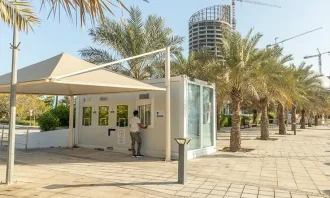
Our installation services are top-notch, delivering modular systems for any application on time in plug & play condition. We leave nothing for you to figure out, set up, or fix. All you’ve to do is just step in, and get going with your business.

Dismantling & Reassembling

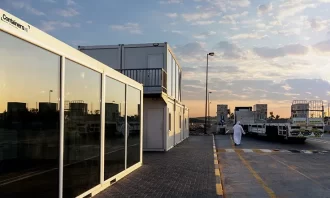
We hold a long-term view when we build modular rooms taking into consideration your changing needs. Whether it’s shifting your workspace to a new site, redesigning your unit to fit new requirements, or simply clearing the area at the end of the project, our Dismantling & Reassembling teams are pressed into service to get the job done in the quickest possible time and minimum resource wastage.

Interior Designing

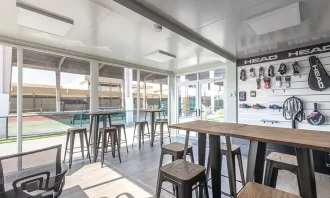
Our interior designs combine both functional and aesthetic aspects to provide you with physical and emotional comfort. We ask you for your preferences and give the best possible solutions aligned to your tastes. Our units are built to be modern, stylish, and elegant.

Bespoke Solutions

We understand that every project is unique and therefore has a different set of requirements. That’s why we believe in customizing our solutions to fit individual needs. We are equipped with the right talents, technology, and skillset to offer bespoke modular units, without compromising on turnaround time or quality.

Aftersales Service

The benefits of choosing Containers ME continues long after the installation of the units as we provide aftersales service for as long as you need. All you have to do is sign the Annual Maintenance Contract (AMC) and enjoy technical support for all the maintenance-related issues. By signing the contract, you can rest assured that a highly professional team of dedicated staff are at your service all year round to attend to your needs.

Customized Container Solutions

We specialize in Customized Container Solutions designed to meet diverse needs across the UAE. Our offerings include customized modular containers that cater to various applications, from tailor-made container solutions to bespoke container designs.

Whether you’re looking for personalized container homes or custom modular containers, we have you covered. Our customized container offices provide functional workspaces, while our customized portable containers ensure flexibility on-site. Explore our range of custom container storage units and customized cargo containers to optimize your space.

We also offer custom container leasing and custom container fabrication services, along with customized sea containers designed for secure transport. For specialized needs, our specialized container modifications will help you create the perfect solution for your requirements in both Dubai and the broader UAE.

Get a quote

Get a quote