In the evolving landscape of bulk packaging, "Type C Conductive FIBC" stands out as a critical innovation. Dr. Emily Chen, a leading expert in electrostatic safety, emphasizes, "Type C Conductive FIBCs provide essential protection against electrostatic discharge." This technology is vital for industries handling flammable materials.
Type C Conductive FIBCs are engineered with conductive threads woven into the fabric. This feature allows them to dissipate static electricity safely, minimizing risks during transportation and storage. Buyers globally are recognizing the importance of these bags for safety and compliance.
Despite the clear advantages, some businesses remain hesitant to adopt this technology. Concerns about cost and proper handling are common. However, the long-term benefits often outweigh initial fears. In a world that prioritizes safety, Type C Conductive FIBCs may soon become the standard for many industries.

Type C conductive FIBC (Flexible Intermediate Bulk Containers) present numerous advantages for global buyers. One key benefit is their enhanced safety features. They are designed to prevent static electricity buildup, reducing the risk of fires or explosions, especially in industries like chemicals and pharmaceuticals. This design is crucial for workplaces that handle flammable materials.
Durability is another significant aspect. Type C FIBCs can withstand extreme handling conditions. They resist punctures and tears better than conventional options. Additionally, they are capable of holding a varied range of materials, from powders to granules. However, it is essential to ensure proper handling during transportation. Mishandling can lead to damaged containers, which diminishes their effectiveness.
Cost-efficiency is also notable. While the initial investment might seem higher, their longevity leads to lower overall expenses. A potential flaw can arise if buyers do not conduct thorough evaluations of their needs. Each industry has unique requirements. Not understanding these nuances could result in purchasing the wrong type. This could mean increased costs or safety risks down the line. Hence, global buyers must approach with careful consideration and expert guidance.
In hazardous environments, static discharge poses a significant risk. Type C conductive FIBC (Flexible Intermediate Bulk Containers) mitigates this risk effectively. These bags reduce the accumulation of static electricity, which can ignite flammable materials. According to a report by the National Fire Protection Association, static electricity causes approximately 30% of industrial fires. This statistic highlights the importance of using safe containment solutions.
Type C FIBCs are engineered with conductive threads woven into the fabric. This design allows for safe dissipation of static charges. In industries such as chemicals and pharmaceuticals, where flammable powders are common, using Type C FIBCs can safeguard workers and facilities. A study from the International Electrotechnical Commission noted that improperly grounded containers increase static discharge incidents by 50%. Employing Type C options can significantly reduce such risks.
Despite their advantages, some industries still hesitate to adopt Type C FIBCs. Concerns about costs and durability arise. However, durable materials and design enhancements ensure that these bags outperform many conventional options. Over time, the investment in Type C technology can lead to greater safety and lower incident rates, proving its value. The overall impact on operational efficiency cannot be overlooked in a world prioritizing safety.
Type C conductive flexible intermediate bulk containers (FIBCs) offer superior conductive properties. This is due to their unique material science. Type C FIBCs use integrated conductive threads that allow for electrostatic discharge. According to industry reports, these bags can reduce ignition risks during processing. This is especially crucial in industries like chemicals and food packaging.
The material’s conductivity is influenced by the woven fabric structure. The tighter the weave, the better the conductivity. Research shows that Type C bags maintain safety standards, often exceeding regulations. Conductive FIBCs can dissipate static charges efficiently, making them a preferred choice among global buyers.
When selecting Type C FIBCs, consider your specific needs. Assess the environmental conditions and materials to be stored. Using incorrect variants can lead to safety hazards. Ensure testing is done to confirm the bag's conductivity level. Always consult technical experts to avoid misunderstandings regarding material specifications and applications.
Type C conductive flexible intermediate bulk containers (FIBCs) offer significant advantages, especially in meeting international standards. Compliance with UN regulations for hazardous materials is paramount. These FIBCs are specifically designed to safely store and transport materials that pose risks. They effectively prevent static electricity build-up, reducing fire and explosion hazards in sensitive environments.
When selecting Type C conductive FIBCs, always check for certification. Look for the UN marking that verifies compliance with stringent safety standards. Opt for products that meet the specific needs of your materials. This will ensure your operations run smoothly and safely.
Consider the weight and size of your FIBCs. Choosing the right dimensions can enhance handling efficiency. For optimal safety, conduct regular inspections. This can help identify any damage before it becomes a more significant issue. Also, training staff on proper usage is crucial. Proper knowledge can make a difference in risk management.
The economic impact of using Type C conductive flexible intermediate bulk containers (FIBCs) is significant for global buyers. These containers are designed to safely carry electrostatic-sensitive materials. By reducing the risk of static discharge, they help prevent costly accidents. This feature can lead to lower insurance premiums over time.
Investing in Type C conductive FIBCs can also enhance operational efficiency. Companies often experience reduced product loss due to contamination. Additionally, they enable faster loading and unloading times, translating directly into higher productivity. However, not all users fully understand these benefits, and that can lead to potential oversights in material choice.
Many buyers focus solely on upfront costs. Yet, they may overlook the long-term savings from reduced incidents and improved turnaround times. This approach can hinder decision-making. Therefore, conducting a thorough cost-benefit analysis is essential for making informed choices. Ultimately, establishing a deeper understanding of Type C conductive FIBCs can drive better economic outcomes.
The article "Top 10 Benefits of Type C Conductive FIBC for Global Buyers" highlights the numerous advantages of using Type C Conductive FIBC (Flexible Intermediate Bulk Containers) in various industries. One of the foremost benefits is enhanced safety, as these bags are designed to significantly reduce the risks associated with static discharge in hazardous environments, making them ideal for storing and transporting flammable materials.
Additionally, the article delves into the superior conductivity of Type C Conductive FIBC, which stems from its advanced material science, ensuring compliance with international standards and UN regulations for hazardous materials. The economic impact is also analyzed, showcasing the cost efficiency of using Type C Conductive FIBC, which can lead to significant savings for businesses. Furthermore, the versatility of these bags allows them to be utilized across multiple industries, highlighting their widespread applicability and effectiveness in improving safety and efficiency in operations.

Subscribe to our newsletter for the latest news and exclusive offers.
We hold a long-term view when we build modular rooms taking into consideration your changing needs. Whether it’s shifting your workspace to a new site, redesigning your unit to fit new requirements, or simply clearing the area at the end of the project, our Dismantling & Reassembling teams are pressed into service to get the job done in the quickest possible time and minimum resource wastage.
We understand that every project is unique and therefore has a different set of requirements. That’s why we believe in customizing our solutions to fit individual needs. We are equipped with the right talents, technology, and skillset to offer bespoke modular units, without compromising on turnaround time or quality.
The benefits of choosing Containers ME continues long after the installation of the units as we provide aftersales service for as long as you need. All you have to do is sign the Annual Maintenance Contract (AMC) and enjoy technical support for all the maintenance-related issues. By signing the contract, you can rest assured that a highly professional team of dedicated staff are at your service all year round to attend to your needs.
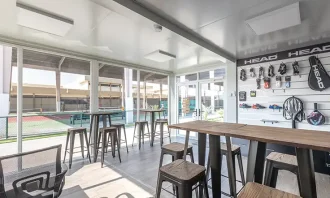
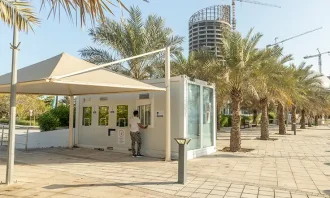
We specialize in Customized Container Solutions designed to meet diverse needs across the UAE. Our offerings include customized modular containers that cater to various applications, from tailor-made container solutions to bespoke container designs.
Whether you’re looking for personalized container homes or custom modular containers, we have you covered. Our customized container offices provide functional workspaces, while our customized portable containers ensure flexibility on-site. Explore our range of custom container storage units and customized cargo containers to optimize your space.
We also offer custom container leasing and custom container fabrication services, along with customized sea containers designed for secure transport. For specialized needs, our specialized container modifications will help you create the perfect solution for your requirements in both Dubai and the broader UAE.