In today's fast-paced business landscape, efficient logistics are crucial. Container leasing has emerged as a flexible solution for many companies. According to industry expert John Mitchell, “Container leasing offers businesses the agility to adapt to changing market demands.” This sentiment resonates with many organizations looking for cost-effective shipping alternatives.
Navigating the container leasing options can be overwhelming. There are numerous choices available, each with its unique advantages and challenges. For example, companies must consider factors like lease duration and container condition. Some businesses find themselves stuck in long-term contracts, feeling the pressure of fluctuating needs. They often realize that short-term leases might have been a better choice.
Additionally, understanding the terms of leasing agreements is vital. Many businesses overlook details, leading to unexpected costs. Companies must reflect on their specific needs and evaluate their options carefully. Consequently, choosing the best container leasing option requires thoughtful consideration and research.
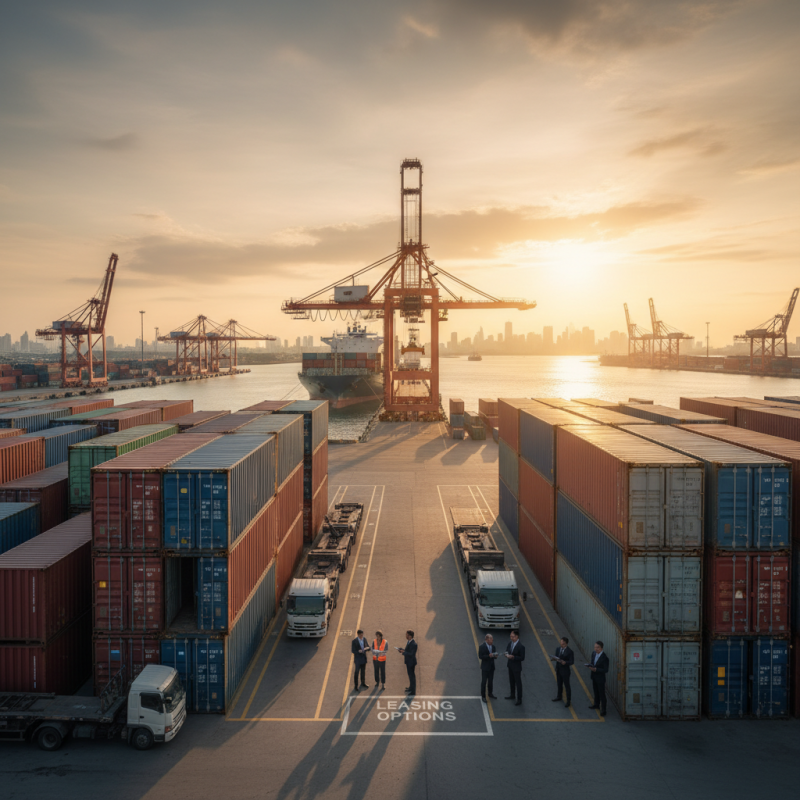
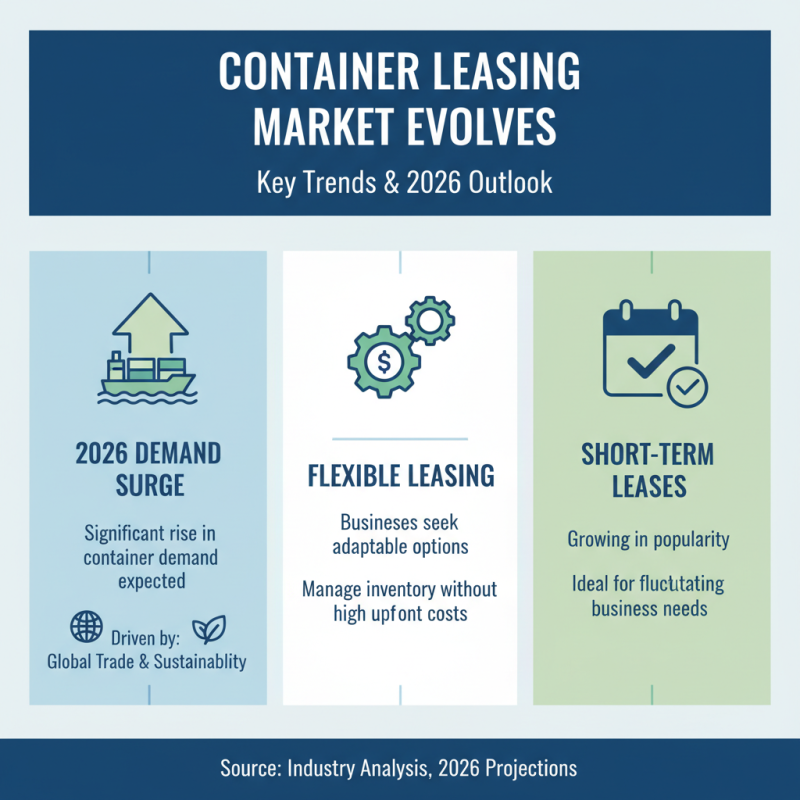
The container leasing market is evolving. In 2026, the demand for containers is expected to rise significantly. This increase is driven by factors like global trade and a push for sustainability. Many businesses are looking for flexible leasing options. This allows companies to manage their inventory without high upfront costs. Short-term leases are becoming popular. They provide flexibility for businesses with fluctuating needs.
Supply chain disruptions have also shaped the market. Companies need reliable access to containers, yet the supply can be inconsistent. Businesses often find themselves scrambling for options during peak seasons. It's essential to analyze regional demands and adjust strategies accordingly. Some industries still undervalue the importance of strategic leasing. They miss opportunities by not planning ahead for container needs.
As businesses navigate these challenges, understanding market trends is crucial. The landscape can be unpredictable. Not every company is prepared for sudden spikes in demand. This may lead to missed opportunities and added costs. Continuous evaluation of leasing strategies will help companies stay competitive and responsive. The container leasing process is not merely about acquiring containers. It requires thoughtful planning and execution to align with business goals.

In the container leasing sector, various key players contribute significantly to the market. A report from Allied Market Research indicates that the global container leasing market is projected to reach $35 billion by 2026. This growth stems from increased international trade and e-commerce demands. Many companies offer diverse container types, including dry, refrigerated, and tank containers. These options cater to different business needs.
Some leading firms provide flexible leasing options that attract diverse clientele. They allow short-term leases, which can be beneficial for businesses with fluctuating needs. This flexibility is vital, especially during peak seasons. Moreover, many companies invest in modern technology. This innovation enables easier tracking of containers and improves operational efficiency.
However, companies face challenges as well. Fluctuations in demand can lead to underutilization of assets. The need for sustainability is growing too, pushing firms to adopt eco-friendly practices. Additionally, the market holds significant competition. New entrants may disrupt traditional players. Balancing growth with sustainability and efficiency remains a crucial task for the industry.
When considering container options for your business, leasing and purchasing are two primary paths. Leasing offers flexibility and reduced upfront costs. For small businesses, this can mean lower financial pressure. You can adapt to changing needs without committing to a large purchase.
On the other hand, purchasing containers requires a significant investment. However, it might be more cost-effective in the long run. Owning containers can eliminate ongoing lease payments. Consider how often you will use them. If usage is sporadic, leasing is likely a better choice. For regular use, buying can save money.
Some businesses find themselves stuck in a lease that doesn’t quite meet their needs. This can lead to wasted resources and frustration. Reflecting on specific container requirements can help avoid such pitfalls. Are you ready for the commitment that comes with ownership? Or is flexibility more important for your operations right now? These questions are critical to the decision-making process.
When considering container leasing, businesses must navigate the complex regulatory landscape. Regulations can impact the costs and availability of containers. According to a recent report by Armstrong & Associates, compliance with new environmental standards will likely increase leasing prices by 15% by 2026. This means careful planning is crucial.
Understanding local and international regulations is vital. Different jurisdictions may impose various requirements. For example, some regions have strict emissions standards for container transport. Non-compliance could lead to hefty fines or delays. Businesses must stay informed of any regulatory changes that could affect their leasing agreements.
**Tip:** Regularly review your leasing contracts. Be proactive in assessing potential regulatory impacts.
Investing in knowledge is essential. Researching industry reports can help. Many companies overlook the importance of this, leading to uninformed choices. Consider hiring regulatory experts to guide your decisions. Being well-informed can save costs and time in the long run.
**Tip:** Consider consulting with a legal advisor on leasing contracts. It's worth the investment.
Sustainability is becoming crucial in container leasing. Many businesses seek eco-friendly options. These containers can reduce carbon footprints. It is essential to choose materials that are recyclable. Using refurbished containers can also be a sustainable choice.
Consider these tips when selecting containers. Look for suppliers who prioritize green practices. Some containers are designed to minimize energy consumption. Think about how often your containers are used. Frequent movement can lead to more emissions. A more stationary option might be better for the environment.
Repair instead of replace when possible. This practice is often overlooked. Regular maintenance can extend the life of a container. It saves money and reduces waste. Engage with suppliers who support sustainability initiatives. Together, you can create a more eco-friendly business model.
| Container Type | Lease Duration (months) | Monthly Lease Price (USD) | Eco-Friendly Features | Recycling and Sustainability Practices |
|---|---|---|---|---|
| Standard Dry Container | 6 | 300 | Made from recycled materials | Offers recycling options at end of lease |
| Refrigerated Container | 12 | 600 | Energy-efficient cooling units | Utilizes eco-friendly refrigerants |
| Flat Rack Container | 9 | 400 | Constructed with sustainable processes | Options available for repurposing |
| Open Top Container | 6 | 350 | Recycled steel construction | Uses reusable materials where possible |
Subscribe to our newsletter for the latest news and exclusive offers.
We hold a long-term view when we build modular rooms taking into consideration your changing needs. Whether it’s shifting your workspace to a new site, redesigning your unit to fit new requirements, or simply clearing the area at the end of the project, our Dismantling & Reassembling teams are pressed into service to get the job done in the quickest possible time and minimum resource wastage.
We understand that every project is unique and therefore has a different set of requirements. That’s why we believe in customizing our solutions to fit individual needs. We are equipped with the right talents, technology, and skillset to offer bespoke modular units, without compromising on turnaround time or quality.
The benefits of choosing Containers ME continues long after the installation of the units as we provide aftersales service for as long as you need. All you have to do is sign the Annual Maintenance Contract (AMC) and enjoy technical support for all the maintenance-related issues. By signing the contract, you can rest assured that a highly professional team of dedicated staff are at your service all year round to attend to your needs.
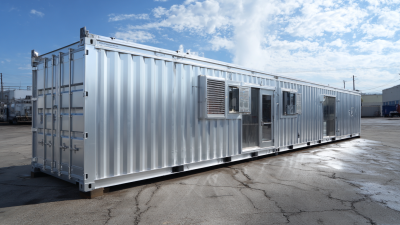
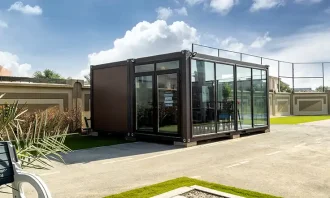
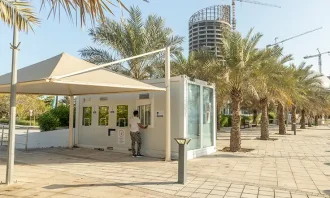
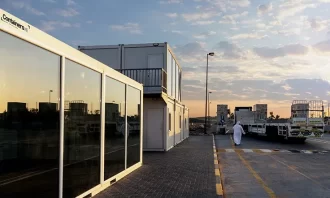
We specialize in Customized Container Solutions designed to meet diverse needs across the UAE. Our offerings include customized modular containers that cater to various applications, from tailor-made container solutions to bespoke container designs.
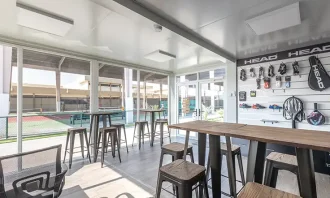
Whether you’re looking for personalized container homes or custom modular containers, we have you covered. Our customized container offices provide functional workspaces, while our customized portable containers ensure flexibility on-site. Explore our range of custom container storage units and customized cargo containers to optimize your space.
We also offer custom container leasing and custom container fabrication services, along with customized sea containers designed for secure transport. For specialized needs, our specialized container modifications will help you create the perfect solution for your requirements in both Dubai and the broader UAE.