Blogs

Top 10 Best Diamond Cut Alloy Wheel Machines for Buyers

A Diamond Cut Alloy Wheel Machine can transform a scuffed rim into a sharp, reflective finish. But the best choice is not always the fastest machine or the one with the longest feature list. Buyers need to compare cutting accuracy, wheel capacity, software, operator training, service access, and the true cost of ownership. Small details matter. A clear touchscreen, a steady spindle, and a reliable measuring system can shape daily results.

No sourced expert quotation was provided, so the following line is proposed copy, not a verified quotation: “A consistent diamond-cut finish depends on accurate measurement, controlled cutting, and a setup the operator can repeat.” — [Insert verified industry expert’s name and source]. This distinction matters. A real expert’s name and exact words should be confirmed before publication.

This Top 10 guide examines machines through practical workshop needs, not headline claims alone. It considers how each system handles different rim profiles, supports repeatable cuts, and fits the space and skill level available. Buyers should also check what happens when a probe, software feature, or service part needs attention. Ask for a live demonstration. Watch the machine scan a wheel and make a light pass. Then inspect the surface under bright, angled light. No ranking replaces that test. A machine may look impressive in a brochure and still prove awkward on a busy shop floor.
Top 10 Best Diamond Cut Alloy Wheel Machines for Buyers

What Diamond-Cut Alloy Wheel Machines Do

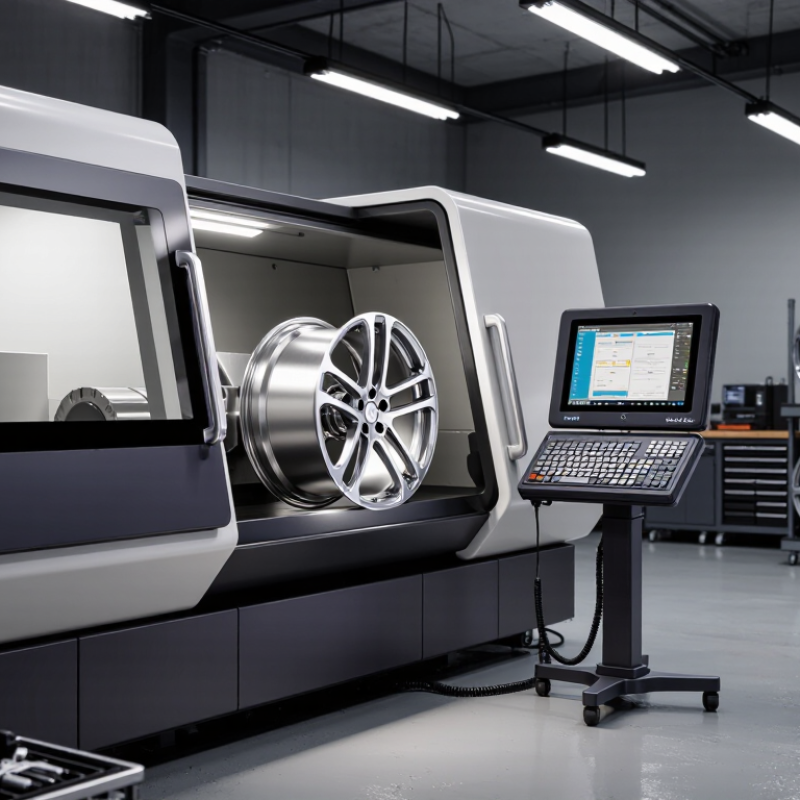
A diamond-cut alloy wheel machine reworks the visible face of a wheel. It secures the wheel on a spindle, then uses a measuring probe to map its shape and position. A precision cutting tool follows that profile, removing a very thin layer of metal. This exposes a bright, machined surface beside painted or recessed areas.

The machine is not simply polishing the wheel. It cuts the face, so setup and measurement matter. Small alignment errors can leave uneven lines or remove more material than intended. Deep gouges may require careful assessment; cutting cannot restore a cracked or structurally damaged wheel. Less is often better.

After machining, the exposed surface usually needs a suitable protective coating to limit corrosion. A technician should inspect the finish, edges, and wheel runout before the wheel returns to service. The result can look crisp, but repeated cuts gradually reduce the face’s material. That trade-off deserves attention, even when the wheel looks repairable.

Top 10 Best Diamond-Cut Alloy Wheel Machines for Buyers — What They Do

Wheel diameter reference: inches converted to millimetres (1 inch = 25.4 mm).

Diamond-cut wheel machines use controlled cutting to refinish a wheel’s face. This chart shows diameter conversions only; check each machine’s specifications to confirm compatible wheel sizes and cutting limits.

How Diamond-Cutting and Wheel Refinishing Work

Diamond cutting restores a wheel’s bright face by removing a thin layer of metal with a precision lathe. The wheel is cleaned, inspected, and mounted securely. A probe maps the face, while the cutter follows its contours. Small, controlled passes matter. Too much material removal can weaken the wheel or erase details around spokes and edges. The exact safe machining limit depends on the wheel’s design and condition, so appearance alone is not enough.

Refinishing continues after cutting. Technicians remove debris, apply a compatible clear coat, and allow it to cure before checking the finish. Bare aluminum can oxidize, and coating defects may let moisture reach the surface. A bright face can still hide damage. Look for cracks, bends, corrosion, and runout before choosing repair over replacement. There is a trade-off: deeper cuts may improve appearance but leave less material. That judgment deserves care.

Load is part of the picture. The U.S. Environmental Protection Agency’s 2023 Automotive Trends Report records an average new-vehicle weight of 4,329 pounds for model year 2022. That figure is not a wheel-load rating, but it shows why cosmetic work cannot replace structural inspection. SAE J2530 describes performance testing for aftermarket wheels, including fatigue and impact tests. After machining, check balance and runout, then inspect the coated face under angled light. Small flaws show.

Key Features for Comparing Diamond-Cut Wheel Machines

When comparing diamond-cut wheel machines, focus on repeatability, not just advertised speed. A stable spindle and low runout help produce even, fine grooves across the wheel face. Check the probing system too. It should map the wheel accurately, including shallow damage and uneven surfaces. Secure clamping matters; a wheel that shifts can spoil an otherwise precise cut.

Review the machine’s supported wheel sizes, cutting depth controls, and software workflow. Ask how operators set the reference face and manage tool wear. A clear calibration process is valuable on busy shop floors. Inspect the enclosure, emergency stop, and chip or dust management features. Request a demonstration using a wheel similar to the ones you service. A polished sample can hide setup limitations. Specifications help, but they do not replace a practical test. I would also check local service response times, since even a capable machine loses value when routine maintenance stalls.

Tips: Compare sample cuts under consistent lighting. Look for uniform machining lines and clean edges. Confirm training, spare-tool availability, and maintenance intervals before purchase. Keep a record of settings; small adjustments can change the finish.

Top 10 Diamond-Cut Alloy Wheel Machines for Buyers

Choosing among the top 10 diamond-cut alloy wheel machines starts with matching the machine to your daily workload. A busy repair shop may need automatic measurement, repeatable cutting depth, and quick wheel setup. A smaller workshop might value a compact footprint and straightforward controls more. Look for a stable spindle, a clear display, and compatible wheel clamping. These details affect finish quality and reduce avoidable setup errors. Ask whether the machine can handle your common wheel diameters and damaged-face repairs.

Check the measuring system and software before comparing headline specifications. A precise probe can map a wheel face, but poor calibration still leads to uneven cuts. Ask how often calibration is needed and whether operators can perform it safely. Noise, extraction requirements, service access, and training also matter. They are easy to overlook. Request a live demonstration using a wheel with visible scratches or corrosion, not only a pristine sample. Pay attention to the cut surface under angled light; faint rings can reveal inconsistent passes. I would not choose solely by speed. Faster cycles help, but aggressive material removal can limit future refinishing. Some published capacity figures may also assume ideal conditions, so verify them against the wheels your shop actually receives. A little doubt is useful here. Compare warranty terms, spare-part availability, and operating costs alongside purchase price.

How to Choose a Machine for Your Workshop and Budget

Top 10 Best Diamond Cut Alloy Wheel Machines for Buyers

How to Choose a Machine for Your Workshop and Budget

Choosing a diamond cut alloy wheel machine starts with the work you actually handle. A small workshop repairing a few wheels each day may not need the same capacity as a busy commercial centre. Check the maximum wheel diameter and width, spindle accuracy, and whether the controls are practical for your team. Ask for a live demonstration using a wheel similar to the ones you repair. Watch how easily the operator sets the cut depth. Small details matter.

Compare the full setup cost, not just the machine price. Include cutting tools, software, installation, training, and likely maintenance. Ask how quickly replacement parts and technical support are available. A lower-cost machine can become expensive if production stops while you wait for help. Check the power requirements and available floor space, too; a machine that barely fits beside a workbench is a poor fit. Keep a little budget in reserve. You may need it. Before buying, estimate your weekly workload and compare it with realistic cycle times from a demonstration. I would still be cautious about sales estimates: actual results depend on wheel condition, operator experience, and setup, and those can vary more than expected.

Plug & Play Installation

Our installation services are top-notch, delivering modular systems for any application on time in plug & play condition. We leave nothing for you to figure out, set up, or fix. All you’ve to do is just step in, and get going with your business.

Dismantling & Reassembling

We hold a long-term view when we build modular rooms taking into consideration your changing needs. Whether it’s shifting your workspace to a new site, redesigning your unit to fit new requirements, or simply clearing the area at the end of the project, our Dismantling & Reassembling teams are pressed into service to get the job done in the quickest possible time and minimum resource wastage.

Interior Designing

Our interior designs combine both functional and aesthetic aspects to provide you with physical and emotional comfort. We ask you for your preferences and give the best possible solutions aligned to your tastes. Our units are built to be modern, stylish, and elegant.

Bespoke Solutions

We understand that every project is unique and therefore has a different set of requirements. That’s why we believe in customizing our solutions to fit individual needs. We are equipped with the right talents, technology, and skillset to offer bespoke modular units, without compromising on turnaround time or quality.

Aftersales Service

The benefits of choosing Containers ME continues long after the installation of the units as we provide aftersales service for as long as you need. All you have to do is sign the Annual Maintenance Contract (AMC) and enjoy technical support for all the maintenance-related issues. By signing the contract, you can rest assured that a highly professional team of dedicated staff are at your service all year round to attend to your needs.

Customized Container Solutions

We specialize in Customized Container Solutions designed to meet diverse needs across the UAE. Our offerings include customized modular containers that cater to various applications, from tailor-made container solutions to bespoke container designs.

Whether you’re looking for personalized container homes or custom modular containers, we have you covered. Our customized container offices provide functional workspaces, while our customized portable containers ensure flexibility on-site. Explore our range of custom container storage units and customized cargo containers to optimize your space.

We also offer custom container leasing and custom container fabrication services, along with customized sea containers designed for secure transport. For specialized needs, our specialized container modifications will help you create the perfect solution for your requirements in both Dubai and the broader UAE.

Get a quote

Get a quote