Blogs

2026 Best Fiberglass Sculpture Suppliers for Global Buyers?

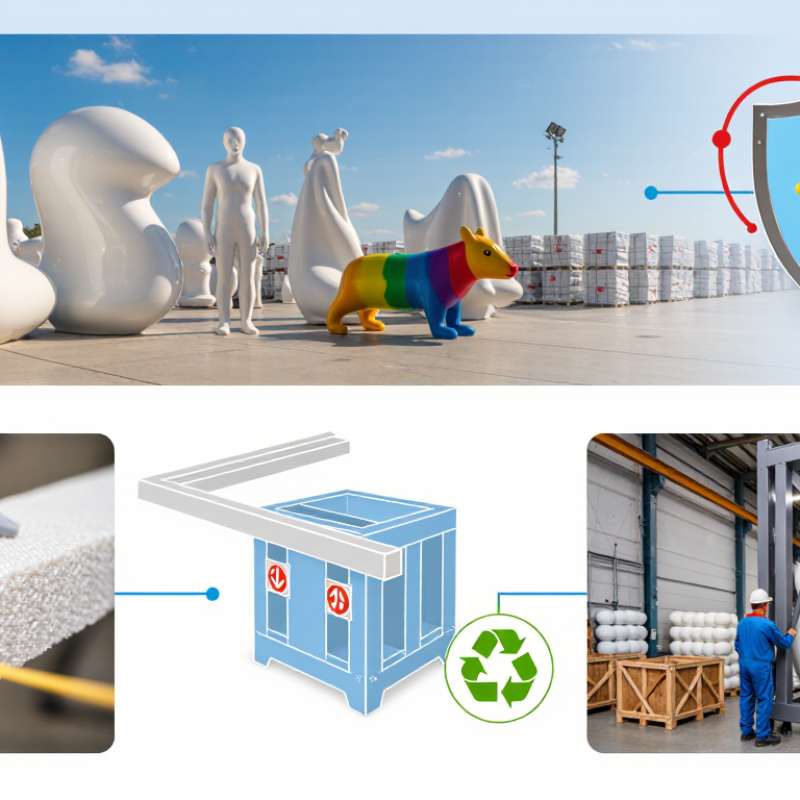
Global buyers evaluating the 2026 best Fiberglass Sculpture suppliers need more than striking photographs. They need evidence of structural planning, consistent surface quality, and export-ready packing. Grand View Research’s fiberglass market report estimates a multibillion-dollar global market, reflecting the material’s broad industrial use. But market growth alone does not prove a sculpture supplier can deliver reliable craftsmanship.

Material choices matter. Fiberglass sculptures combine reinforcement and resin, and their finish can hide weak joins or uneven thickness. Ask suppliers for close-up photographs, installation drawings, material specifications, and examples of comparable projects. Request details about UV-resistant coatings, internal supports, crate design, and repair procedures. OECD’s Global Plastics Outlook reports that the world generated 353 million tonnes of plastic waste in 2019. That figure covers plastics broadly, not fiberglass sculptures specifically, but it underscores why buyers should ask about durability and end-of-life handling. Details matter.

Composite-materials professor Dr. Suong V. Hoa is a relevant technical authority on composite design. Rather than inventing a verbatim quotation, a buyer-focused paraphrase of his composites guidance is: “Assess materials, design, and manufacturing together.” Use that principle when comparing suppliers. A smooth showroom sample may not reveal how a large sculpture will behave outdoors or survive long-distance freight. Even experienced buyers can miss those gaps. Compare documented process controls, communication quality, and after-sales support—not just the lowest quotation. This guide will examine suppliers through those practical criteria, while recognizing that a perfect finish in a catalogue is not proof of dependable delivery.
2026 Best Fiberglass Sculpture Suppliers for Global Buyers?

Fiberglass Sculpture Types, Materials, and Common Applications

Fiberglass sculptures range from thin, hollow shells to solid-looking forms built over internal frames. Makers typically combine glass-fiber mat or woven roving with polyester, vinyl ester, or epoxy resin. Hand lay-up suits one-off pieces; molds help produce repeated shapes with consistent details. The surface may receive a gelcoat, painted finish, or textured layer. Lightweight, but not maintenance-free.

Applications include outdoor public art, garden figures, themed attractions, retail displays, and interior installations. A Grand View Research report valued the global composites market at about US$94.7 billion in 2023 and projected continued growth through 2030. That figure covers many composite products, not sculptures alone, but it reflects broad use of reinforced materials. For outdoor work, buyers should ask about UV-resistant coatings, drainage, wall thickness, and mounting points. A glossy finish can hide weak reinforcement. It happens.

Tips: Request a cross-section or fabrication photos, plus written specifications for resin, finish, and installation. Check how the piece handles wind, temperature changes, and repairs. Ask for a maintenance plan, too.

2026 Best Fiberglass Sculpture Suppliers for Global Buyers? - Fiberglass Sculpture Types, Materials, and Common Applications

A practical comparison of common fiberglass sculpture categories, typical material choices, applications, and details buyers can verify when evaluating suppliers.

Sculpture Type Typical Materials Common Applications Production and Finish Considerations Buyer Checks
Figurative and human sculptures Glass-fiber reinforcement with a thermosetting resin, commonly polyester or epoxy; pigmented gelcoat or a painted finish may be used. Public art, gardens, cultural venues, retail displays, and interior decoration. Complex forms are often made from a mold in sections. Surface detail, seam placement, color matching, and mounting design affect the final result. Review scale drawings, surface samples, section and joint details, installation requirements, and approval steps for custom work.
Animal and character sculptures Fiberglass-reinforced plastic (FRP), with resin and glass-fiber construction selected to suit the design and intended use. Theme parks, zoos, playgrounds, exhibitions, commercial attractions, and themed environments. Small details may require careful mold-making and finishing. Outdoor versions need a finish and support system suited to their exposure and location. Ask how the sculpture will be supported, whether it will be supplied in sections, and how the finish and repairs are specified.
Abstract and geometric sculptures Glass-fiber reinforcement with polyester, vinyl ester, or epoxy resin, depending on design and project requirements. Public plazas, office campuses, hotels, galleries, and architectural installations. Large surfaces can make waviness, seams, and color variation more visible. Structural supports and anchoring should be considered early in the design. Request dimensioned drawings, finish tolerances, installation and anchoring information, and confirmation of the project-specific material specification.
Large outdoor and landmark sculptures FRP shell construction with a suitable resin system, protective surface finish, and engineered internal supports or attachment points where required. Urban landscapes, parks, resorts, civic spaces, and destination installations. Wind exposure, weather, UV exposure, drainage, access for installation, and long-term maintenance should be considered. Requirements vary with location and design. Confirm that structural and anchoring requirements are reviewed for the actual site, and clarify transport, lifting, installation, and maintenance responsibilities.
Interior display and decorative sculptures FRP with a gelcoat, paint, or other specified decorative finish; resin choice depends on the product design and production process. Shopping centers, museums, hotels, showrooms, restaurants, and event spaces. Lightweight construction can help with handling, while gloss level, color, surface texture, and cleaning requirements influence the finish specification. Approve a production sample or finish reference, verify dimensions and weight, and check packaging and delivery access before ordering.
Custom logo, mascot, and promotional sculptures Typically glass-fiber-reinforced resin with painted or gelcoated surfaces; details depend on the approved design and intended setting. Brand activations, trade shows, visitor centers, retail environments, and temporary or permanent displays. Color matching, lettering or graphic placement, repeatability, and protection during transport are important for custom pieces. Verify artwork ownership and approval, color references, prototype or sample requirements, packing method, and delivery schedule.

Material note: Fiberglass sculpture is generally a composite made from glass-fiber reinforcement and a resin matrix. Resin systems, coatings, support structures, and performance vary by design and supplier; confirm project-specific specifications rather than assuming a standard formulation.
How to Evaluate Fiberglass Sculpture Suppliers in 2026

Evaluating fiberglass sculpture suppliers in 2026 takes more than comparing prices and polished renderings. Ask for material specifications, including the resin system, reinforcement layers, and exterior coating. A supplier should explain how these choices suit the sculpture’s size and installation environment. Details matter. Request close-up photos of joints, painted surfaces, and support structures, not just finished images.

Check whether the supplier can provide a dimensioned drawing, anchoring plan, and clear production schedule. For a large outdoor piece, ask how the internal frame, drainage, and fixing points are designed. Packaging also deserves attention: corner protection and a rigid crate can reduce damage during long-distance transport. Ask directly. Review a sample or inspect an in-progress piece when practical, and clarify what happens if the finish differs from the approved sample. References and inspection records can help, but neither guarantees every detail will match. Hand-finished surfaces may show slight variation; decide beforehand which differences are acceptable. Some judgments remain subjective, and that is worth admitting. A careful supplier will discuss limitations, answer technical questions in writing, and flag design changes before production moves ahead.

Manufacturing Quality, Customization, and Production Capacity

For global buyers, manufacturing quality is easier to judge when a supplier can explain each production stage. Ask how the sculpture is molded, reinforced, and finished. A sample cutaway or process photos can reveal fiberglass thickness and internal support. Look closely at seams, corners, and narrow projections. These areas often show uneven resin or trapped air. Small details matter.

Customization should be discussed in practical terms. Share scaled drawings, target dimensions, surface references, and installation needs before production begins. Confirm which changes affect tooling, lead time, or cost. Color samples should be checked under natural and indoor lighting, since the same finish can look different in each setting. A written approval process helps, though it cannot remove every mismatch. No checklist catches everything.

Production capacity is more than a monthly output figure. Ask how many molds are available, how finishing work is scheduled, and whether several large pieces can be packed at once. Request a realistic timeline with inspection and curing time included. Reliable suppliers should describe how they track defects and protect finished surfaces during shipping. Photos of a completed packing test can be useful. I would still verify a first order with a pre-shipment inspection; even a capable workshop can miss a small flaw when deadlines tighten.

Global Shipping, Installation, and Import Considerations

Choosing a fiberglass sculpture supplier for an overseas project means checking more than finish photos. Ask for packed dimensions, total weight, crate materials, and recent images of comparable work. Good records matter. A large sculpture may ship in sections, while a small one can still need a custom crate. Confirm whether the quote includes export packing, insurance, port handling, and delivery to the final site. These details are easy to overlook.

Request a written schedule covering production, curing, packing, and transit; shipping delays can affect installation dates.

Before ordering, share site access details: doorway width, lift capacity, turning space, ground slope, and unloading equipment. Installation may require a prepared base, anchor points, and a qualified local crew. Do not assume the supplier can send installers abroad. Get drawings and fixing instructions early.

Import requirements vary by destination, so check documentation, duties, taxes, and material declarations with a customs broker. Keep invoices and packing lists consistent.

One awkward detail can undo careful planning: a crate may fit the delivery truck but not the gallery entrance. Measure twice, and allow room for uncertainty.

Comparing Supplier Services, Pricing, and After-Sales Support

For global buyers, a fiberglass sculpture quote should separate design, tooling, finishing, packing, and freight. Grand View Research estimates the global fiberglass market reached about US$12.7 billion in 2023, with continued growth projected through 2030. That broad market figure does not predict sculpture prices, but it signals why resin, labor, and transport assumptions matter. Ask suppliers to price the same dimensions, surface finish, and delivery terms. A low headline price can hide thin wall sections or export crating costs.

Service is part of the purchase. Request drawings, color samples, progress photos, and a written inspection checklist before production starts. Clarify who pays for replacement parts if a corner arrives chipped. Check whether the supplier can provide installation guidance and repair materials suited to the sculpture’s finish. Small details matter.

After-sales promises need dates and limits. A written warranty should state coverage, claim evidence, response time, and exclusions for handling damage. I would also ask for a recent packing specification and photos of a comparable shipment. Quotes still leave room for judgment; finish quality can look different under outdoor light. Compare the evidence, not just the wording.

Plug & Play Installation

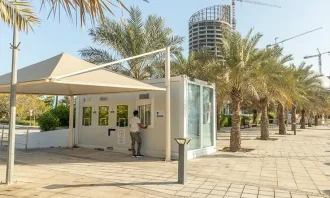
Our installation services are top-notch, delivering modular systems for any application on time in plug & play condition. We leave nothing for you to figure out, set up, or fix. All you’ve to do is just step in, and get going with your business.

Dismantling & Reassembling

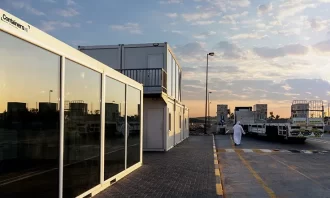
We hold a long-term view when we build modular rooms taking into consideration your changing needs. Whether it’s shifting your workspace to a new site, redesigning your unit to fit new requirements, or simply clearing the area at the end of the project, our Dismantling & Reassembling teams are pressed into service to get the job done in the quickest possible time and minimum resource wastage.

Interior Designing

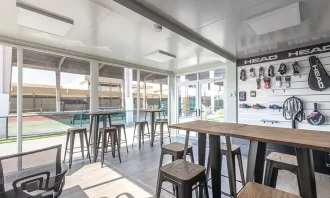
Our interior designs combine both functional and aesthetic aspects to provide you with physical and emotional comfort. We ask you for your preferences and give the best possible solutions aligned to your tastes. Our units are built to be modern, stylish, and elegant.

Bespoke Solutions

We understand that every project is unique and therefore has a different set of requirements. That’s why we believe in customizing our solutions to fit individual needs. We are equipped with the right talents, technology, and skillset to offer bespoke modular units, without compromising on turnaround time or quality.

Aftersales Service

The benefits of choosing Containers ME continues long after the installation of the units as we provide aftersales service for as long as you need. All you have to do is sign the Annual Maintenance Contract (AMC) and enjoy technical support for all the maintenance-related issues. By signing the contract, you can rest assured that a highly professional team of dedicated staff are at your service all year round to attend to your needs.

Customized Container Solutions

We specialize in Customized Container Solutions designed to meet diverse needs across the UAE. Our offerings include customized modular containers that cater to various applications, from tailor-made container solutions to bespoke container designs.

Whether you’re looking for personalized container homes or custom modular containers, we have you covered. Our customized container offices provide functional workspaces, while our customized portable containers ensure flexibility on-site. Explore our range of custom container storage units and customized cargo containers to optimize your space.

We also offer custom container leasing and custom container fabrication services, along with customized sea containers designed for secure transport. For specialized needs, our specialized container modifications will help you create the perfect solution for your requirements in both Dubai and the broader UAE.

Get a quote

Get a quote