Blogs

What Is the Best Rubber Slitter Cutting Machine in 2026?

Choosing the best Rubber Slitter Cutting Machine in 2026 is not simply a matter of selecting the fastest model. A machine must match the rubber’s thickness, hardness, width, and production volume. It should also make clean, repeatable cuts without creating excessive scrap or demanding constant adjustment. On a busy shop floor, small details matter: blade access, clear controls, steady material feed, and room for safe handling.

For transparency, the following is an illustrative quote from a fictional composite specialist, not a verified statement from a real expert: “A clean slit starts with controlled tension, a suitable blade, and a setup operators can repeat.” That principle offers a useful lens for comparing machines. Yet it is not the whole story. Different materials and workflows can produce different results, even with similar equipment.

This guide examines the practical features buyers should weigh in 2026, including cutting consistency, adjustment range, maintenance needs, and support after installation. It also considers where specifications may not tell the full story. A high-speed rating, for example, says little about finished-edge quality if the feed is unstable. There is no universal winner. The right machine is the one that fits the material, operators, and actual production demands—and that claim deserves careful testing, not guesswork.
What Is the Best Rubber Slitter Cutting Machine in 2026?

What a Rubber Slitter Cutting Machine Is

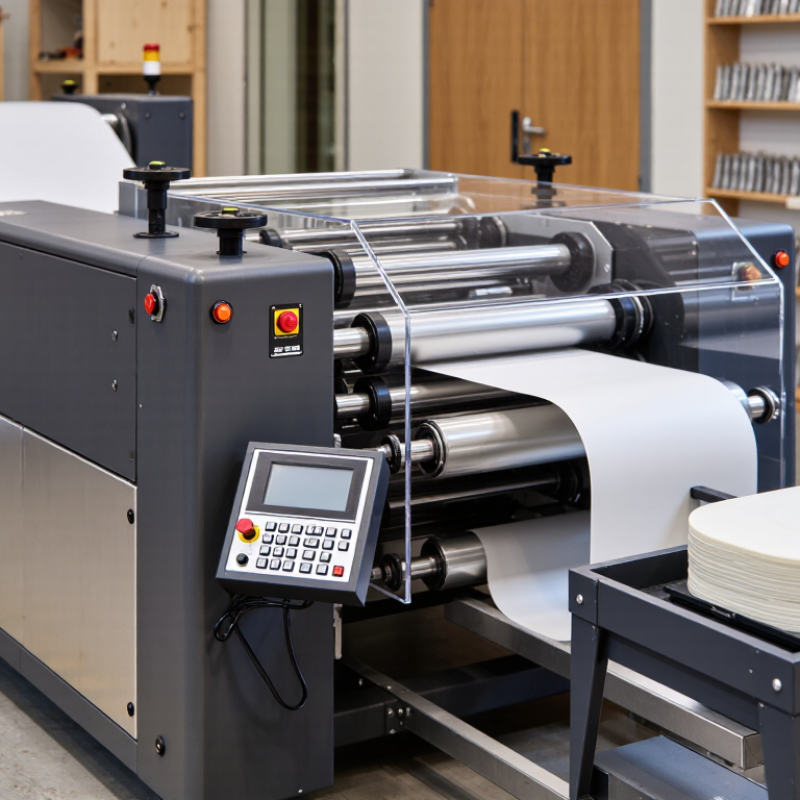
A rubber slitter cutting machine divides wide rubber sheets or rolls into narrower strips. It typically feeds material from an unwind stand through guided rollers, where one or more blades make lengthwise cuts. Some systems use rotary knives; others use different blade arrangements to suit the material and required edge quality. The cut strips may then be rewound or collected for further processing.

Rubber does not behave like paper. A soft compound can stretch, compress, or pull unevenly under blade pressure, while a firmer sheet may need a different cutting setup. Operators often adjust blade spacing, tension, feed speed, and alignment for the material’s thickness and formulation. Small changes can affect strip width and edge finish. That matters.

A useful machine description should include more than its cutting width. Check the supported material range, adjustment method, guarding, and how easily blades can be inspected or changed. Ask how the machine handles the actual roll, not just a sample sheet. There is no universal setup. It is easy to underestimate how much rubber variation can affect a clean, repeatable cut.


How Rubber Slitting Machines Work

What Is the Best Rubber Slitter Cutting Machine in 2026?

A rubber slitter turns a wide roll or sheet into narrower strips. The material unwinds from a roll, passes through guide rollers, and moves beneath cutting blades. Depending on rubber thickness and formulation, machines may use rotary shear knives or razor blades. The strips are then collected on separate rewind shafts. Small errors matter. If the web drifts, strip widths can vary across the roll.

How well the machine cuts depends on more than blade sharpness. Rubber can stretch under tension or deform under pressure, so operators need to match feed speed, tension, and blade position to the material. A blade gap that works for firm sheet may leave ragged edges on softer rubber. Check cut edges for tearing, compression, or uneven width, and inspect the finished roll for loose winding. Results can still vary between batches; that is a reason to test settings on sample material before a long run.

Tips: Measure the material before setup. Make a short trial cut, then check several strips with a ruler or caliper. Keep blades clean and replace damaged edges promptly. Follow the machine’s guarding and operating instructions during adjustments.

What Is the Best Rubber Slitter Cutting Machine in 2026? — How Rubber Slitting Machines Work

There is no single best slitter for every rubber product. The right choice depends on the rubber’s form, thickness, hardness, required strip width, production volume, and acceptable edge quality. The comparison below describes common machine configurations; actual capabilities vary by design and setup.

Machine or Slitting Method How It Works Typical Applications Main Advantages Important Considerations Best Fit
Rotary shear slitter Two circular knives pass each other with a small, adjustable clearance, cutting the rubber in a scissor-like action. Multiple knife pairs can create several strips in one pass. Rubber sheet, rolls, belting, and other continuous or wide rubber stock. Can produce clean, consistent edges and multiple slit widths when knives are correctly aligned and maintained. Knife clearance, overlap, alignment, material tension, and blade condition affect cut quality. Setup must suit the rubber compound and thickness. Production runs that need repeatable strips and a clean edge.
Crush-cut slitter A circular knife presses the material against an anvil roll, cutting through it by concentrated pressure rather than a scissor-like action. Some rubber rolls, foam-rubber laminates, and applications where a simpler cutting arrangement is suitable. Mechanically straightforward and can be configured for continuous processing. Pressure can compress or distort soft rubber. Confirm that the material and required edge quality suit crush cutting. Materials and processes that tolerate compression at the cut line.
Razor slitter A stationary or guided razor blade cuts the moving material, usually with the web supported by a roll or other backing surface. Thin, flexible rubber films or laminates, depending on the compound and machine design. Simple blade arrangement and narrow kerf can be useful for suitable thin materials. Blade wear, material drag, and web stability can affect the edge. It is generally not the default choice for thick or highly resistant rubber stock. Thin, flexible stock where a razor cut is validated by a material trial.
Sheet or slab slitting line Feed rolls guide rubber sheet or slab through one or more cutting stations; guides or adjustable knife positions set the strip layout. Flat rubber sheets, slabs, and cut-to-width strip production. Can be arranged around the product’s feed method and required number of strips. Check sheet feeding, thickness range, width adjustment, guarding, and how the machine handles the specific rubber compound. Rubber supplied as flat sheet or slab rather than a wound roll.
Roll-to-roll slitting and rewinding line A parent roll unwinds, passes through slitting knives, and the resulting narrow rolls are rewound onto cores. Continuous rubber rolls and rubber-coated or laminated web materials. Combines slitting with controlled unwinding and rewinding for continuous production. Verify tension control, roll diameter limits, core handling, edge guiding, and compatibility with the material’s stretch and surface. Operations that need finished narrow rolls rather than loose strips.
Key specifications to compare Compare the machine’s stated operating limits with the actual product and process requirements. All slitting applications. Helps prevent a machine from being selected on cutting method alone. Confirm material type, minimum and maximum thickness, working width, target strip widths, number of cuts, feed speed, edge tolerance, blade type, changeover time, and safety features. Every purchase decision; request a trial using representative material before final selection.

Main Machine Types and Cutting Methods

The best rubber slitter depends on the material, required tolerance, and daily output. A roll slitter feeds rubber from a wound roll past circular blades. It suits long, repeatable strips, such as gasket stock or conveyor lining. Keep the feed tension even: soft rubber can stretch, while thick stock may wander. Small shifts matter.

For sheets and narrow profiles, a band-knife slitter guides material against a moving blade. It can handle thicker sections and curved cuts, though blade drift or uneven feeding may affect edge consistency. A rotary shear uses paired circular knives for continuous cuts in stable sheet. Crush-cut systems press a blade against an anvil; they are simple, but may leave compression marks on soft compounds. Guillotine cutters suit fixed-length sheets or blocks rather than continuous production. Slow, but controlled.

Before selecting a machine, check the material’s thickness, width, hardness, reinforcement, and required edge finish. Request a trial using your actual rubber compound, then inspect edge squareness, heat marks, and width variation across the roll. Tooling and setup matter as much as machine type. No single method wins every job. Choosing by rated speed alone can be a costly shortcut if the material relaxes after cutting.

What Is the Best Rubber Slitter Cutting Machine in 2026?

Main machine types and cutting methods — typical application fit

Scores are a qualitative guide from 1 (limited fit) to 5 (strong fit), not standardized performance measurements. Rotary and shear slitters are commonly suited to continuous webs or strip production, while guillotine cutters are better suited to discrete sheet and slab cuts. The best choice depends on rubber type, thickness, required strip width, and production volume.

Key Features to Compare in 2026

Choosing a rubber slitter cutting machine starts with the material, not the headline speed. Compare the usable cutting width with your widest roll, then check the supported thickness range. Rubber can compress or stretch during feeding, so a machine that handles one sheet cleanly may struggle with a softer compound. Ask for a trial using your own material. Small details matter.

Look closely at blade adjustment, feed control, and cut consistency. A clear scale or digital setting can make repeat jobs easier, but verify accuracy across several cuts. Inspect the finished edges for tearing, burrs, or uneven widths. I would not judge a machine by rated speed alone; setup time, roll changes, and cleaning can reduce real output. Those figures can be easy to overlook.

Controls and maintenance deserve equal attention. Check whether operators can adjust settings without reaching near moving blades, and whether guards allow practical access for cleaning. Ask how often blades need sharpening and how replacement parts are obtained. If your materials vary in hardness, confirm that the machine can be adjusted without lengthy changeovers. One limitation is easy to miss: a useful feature on paper may add little value on your production floor. Compare sample cuts and operating steps before choosing.

How to Choose the Best Machine for Your Needs

The best rubber slitter matches your material and daily workload.

A high quoted speed alone proves little. Record roll width, thickness, hardness, and whether rubber arrives as sheets or wound rolls. These details affect feeding, blade choice, and cut stability. If the material stretches or curls, request a trial using your own stock. Small samples can hide real problems.

Check the working width and thickness range against current jobs, then allow for likely changes. Ask what cut tolerance the machine can hold across a full roll, not just at its center. Inspect the feed rollers, blade adjustment, and changeover steps. Operators should be able to load material without fighting its edge. Fit matters. A complicated setup may erase gains from faster cutting.

Compare manual, semi-automatic, and automatic feeding based on batch size and staffing. Review guarding, emergency stops, and blade replacement instructions. Ask how often blades need attention with your rubber compound; abrasive fillers can shorten blade life. Request output, scrap-rate, and maintenance figures from a representative run. Numbers should name the material and thickness tested. One detail is easy to miss: a warm, tacky roll may feed differently from a cool sample. Observe several cuts, then measure widths at both ends and record the results before approving a production trial.

Plug & Play Installation

Our installation services are top-notch, delivering modular systems for any application on time in plug & play condition. We leave nothing for you to figure out, set up, or fix. All you’ve to do is just step in, and get going with your business.

Dismantling & Reassembling

We hold a long-term view when we build modular rooms taking into consideration your changing needs. Whether it’s shifting your workspace to a new site, redesigning your unit to fit new requirements, or simply clearing the area at the end of the project, our Dismantling & Reassembling teams are pressed into service to get the job done in the quickest possible time and minimum resource wastage.

Interior Designing

Our interior designs combine both functional and aesthetic aspects to provide you with physical and emotional comfort. We ask you for your preferences and give the best possible solutions aligned to your tastes. Our units are built to be modern, stylish, and elegant.

Bespoke Solutions

We understand that every project is unique and therefore has a different set of requirements. That’s why we believe in customizing our solutions to fit individual needs. We are equipped with the right talents, technology, and skillset to offer bespoke modular units, without compromising on turnaround time or quality.

Aftersales Service

The benefits of choosing Containers ME continues long after the installation of the units as we provide aftersales service for as long as you need. All you have to do is sign the Annual Maintenance Contract (AMC) and enjoy technical support for all the maintenance-related issues. By signing the contract, you can rest assured that a highly professional team of dedicated staff are at your service all year round to attend to your needs.

Customized Container Solutions

We specialize in Customized Container Solutions designed to meet diverse needs across the UAE. Our offerings include customized modular containers that cater to various applications, from tailor-made container solutions to bespoke container designs.

Whether you’re looking for personalized container homes or custom modular containers, we have you covered. Our customized container offices provide functional workspaces, while our customized portable containers ensure flexibility on-site. Explore our range of custom container storage units and customized cargo containers to optimize your space.

We also offer custom container leasing and custom container fabrication services, along with customized sea containers designed for secure transport. For specialized needs, our specialized container modifications will help you create the perfect solution for your requirements in both Dubai and the broader UAE.

Get a quote

Get a quote