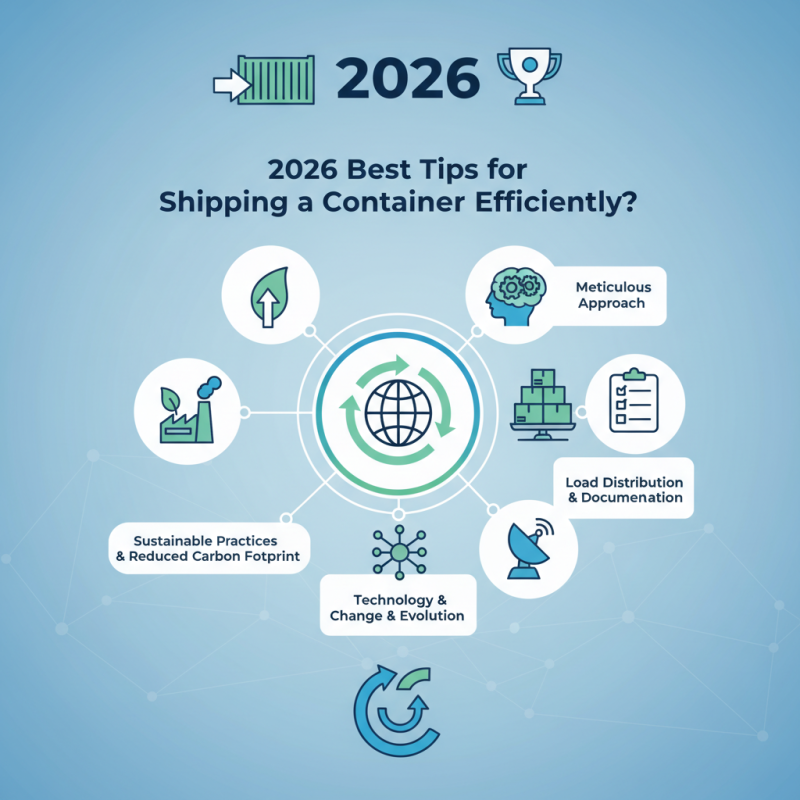
Efficiently shipping a container is vital in today’s global trade landscape. According to John Harrington, a shipping expert with over 20 years in the industry, "Every detail matters when shipping a container." His insights highlight the importance of a meticulous approach.
When shipping a container, it’s essential to understand the complexities involved. Planning must include proper load distribution and documentation checks. A single misstep can lead to delays or increased costs. Experts suggest using technology to streamline processes. Real-time tracking can enhance visibility and communication.
Moreover, shipping a container involves environmental considerations. Sustainable practices are becoming crucial. Companies are now reevaluating their logistics strategies to reduce carbon footprints. Reflecting on these factors can improve efficiency. As businesses evolve, so must their shipping methodologies. Embracing change is vital for success.
Understanding container shipping can seem overwhelming. However, grasping key concepts can simplify the process. A shipping container is a standardized reusable steel box used for transporting goods. Containers come in various sizes, commonly 20 and 40 feet. When choosing a size, consider your cargo volume. It affects shipping costs and space utilization.
Freight terms are essential in this industry. Understand Incoterms, which define buyer and seller responsibilities. FOB means "Free on Board." The seller covers costs until the cargo is on the ship. CIF stands for "Cost, Insurance, and Freight," including insurance during transit. Knowing these terms becomes vital for planning and budgeting.
Preparation is crucial for efficient shipping. Mark your container correctly to avoid delays. Inspect the container for damage before loading. Ensure that cargo is properly secured to prevent shifts during transportation. Reflect on these principles, as overlooking them can lead to costly mistakes. Embracing these complexities will elevate your shipping expertise.

When shipping containers, choosing the right type is crucial. Each container type serves different cargo needs, affecting cost and efficiency. A study by the International Journal of Shipping and Transport Logistics highlights that 65% of shipping costs stem from inefficiencies related to wrong container choices.
For general cargo, a standard 20-foot container is often suitable. It's versatile and can hold up to 28,200 kg. For oversized items, consider flat rack containers. They provide an open platform, accommodating large industrial machinery or heavy equipment. Specialized containers for perishables maintain temperature control, essential for fresh goods.
Tips: Always assess your cargo's dimensions and weight before selection. This prevents unexpected costs. Analyze historical shipping data to understand trends in container usage for specific goods. Adapting to variations in market demand can enhance efficiency. Importantly, ensure your cargo is packed securely to minimize damage risks during transit.
When preparing your shipment, effective packing plays a crucial role. According to a survey by the International Maritime Organization, improper packing contributes to about 45% of cargo damage during transit. To mitigate risks, use high-quality packaging materials. Invest in sturdy boxes that can hold the weight of your products. Bubble wrap and packing peanuts come highly recommended to cushion fragile items.
Additionally, consider the layout inside the container. Keep heavier items on the bottom and lighter ones on top. This prevents shifting during transportation. The World Shipping Council states that poorly packed freight can lead to injuries and additional costs. Use proper securing methods like strapping to hold items in place. Weigh your container before sealing it. Pay attention to weight limitations to avoid fees. An incorrectly calculated weight can disrupt your logistics chain.
Finally, always pack according to the nature of the products. Specific goods may require climate control or extra protective measures. Review guidelines provided by your logistics company. They often have detailed packing instructions. Incorporating these steps can help ensure your shipment arrives safely and efficiently. Mistakes in preparation can be costly and time-consuming. So, take the time to pack thoroughly and correctly.
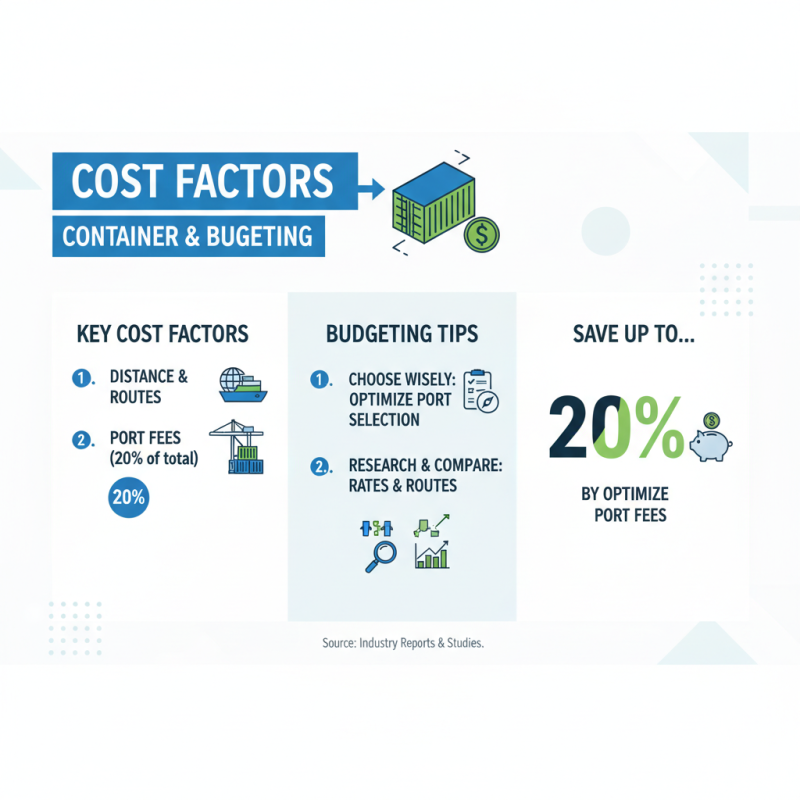
When shipping a container, understanding cost factors is crucial. According to industry reports, container shipping costs can vary significantly based on several elements, including distance and shipping routes. A recent study highlighted that port fees account for about 20% of total shipping expenses. This means choosing the right port can lead to considerable savings.
Utilizing a container efficiently is not just about filling it up. It’s essential to maximize space and minimize weight. Use packing materials that reduce bulk but protect your goods. This approach can lower shipping costs and prevent damage during transit.
Additionally, consider fluctuating fuel prices. They can dramatically affect shipping rates. Stay updated on trends in the energy market. Make decisions that align with these changes to manage budgets effectively. Remember, proactive budgeting prevents unnecessary expenses. It's wise to review and adjust your shipping strategy regularly, as market conditions evolve constantly.
Efficient tracking and management of container shipments are vital in today’s logistics world. Data from the International Maritime Organization indicates that nearly 90% of global trade occurs via shipping containers. Accurate tracking can minimize delays and improve overall efficiency. Companies adopting real-time tracking systems have reported a decrease in lost shipments by up to 30%.
Utilizing RFID technology can enhance visibility. It allows companies to monitor containers in real-time, which is critical for timely delivery. According to a report by McKinsey, businesses that invest in tracking technologies see a 15-25% improvement in their operational efficiency. However, reliance on technology introduces challenges. Technical failures can disrupt logistics, causing unexpected delays. Regular maintenance of tracking systems is essential to avoid these pitfalls.
In managing container shipments, proactive communication is crucial. Engaging with shipping partners and customers can provide updates and address delays early. A study found that companies with effective communication strategies improved customer satisfaction ratings by 20%. Yet, not all organizations prioritize this aspect, which can lead to confusion and lost trust. Balancing technology with personal interaction often yields the best results.
Subscribe to our newsletter for the latest news and exclusive offers.
We hold a long-term view when we build modular rooms taking into consideration your changing needs. Whether it’s shifting your workspace to a new site, redesigning your unit to fit new requirements, or simply clearing the area at the end of the project, our Dismantling & Reassembling teams are pressed into service to get the job done in the quickest possible time and minimum resource wastage.
We understand that every project is unique and therefore has a different set of requirements. That’s why we believe in customizing our solutions to fit individual needs. We are equipped with the right talents, technology, and skillset to offer bespoke modular units, without compromising on turnaround time or quality.
The benefits of choosing Containers ME continues long after the installation of the units as we provide aftersales service for as long as you need. All you have to do is sign the Annual Maintenance Contract (AMC) and enjoy technical support for all the maintenance-related issues. By signing the contract, you can rest assured that a highly professional team of dedicated staff are at your service all year round to attend to your needs.
We specialize in Customized Container Solutions designed to meet diverse needs across the UAE. Our offerings include customized modular containers that cater to various applications, from tailor-made container solutions to bespoke container designs.
Whether you’re looking for personalized container homes or custom modular containers, we have you covered. Our customized container offices provide functional workspaces, while our customized portable containers ensure flexibility on-site. Explore our range of custom container storage units and customized cargo containers to optimize your space.
We also offer custom container leasing and custom container fabrication services, along with customized sea containers designed for secure transport. For specialized needs, our specialized container modifications will help you create the perfect solution for your requirements in both Dubai and the broader UAE.