Choosing the right wood for Wooden Window Frames is crucial. The material directly impacts durability, aesthetics, and insulation. Different types of wood offer various advantages and drawbacks. For example, pine is affordable but may not withstand harsh weather as well as oak.
Wooden window frames made from cedar are naturally resistant to decay. They provide a beautiful finish, enhancing a home’s exterior. However, cedar can be pricier. The craftsmanship involved in building these frames also varies greatly, influencing overall quality.
Inexperience can lead to poor choices in wood selection. It’s essential to consider factors like climate and maintenance. Each type of wood requires different levels of care. Homeowners should reflect on their unique needs before deciding. This not only ensures longevity but also enhances comfort in the living space.
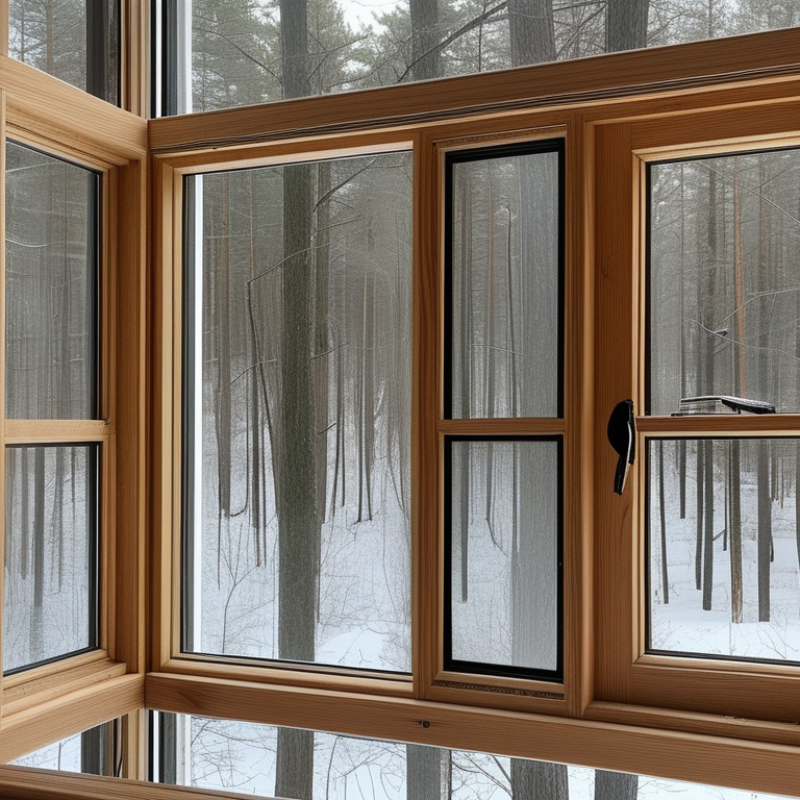
When it comes to selecting wood for window frames, several types are commonly used. Each type has its own characteristics that affect durability and aesthetics. Softwoods like pine and fir are popular choices due to their affordability and ease of work. Pine, for example, can hold paint well and can be treated for better durability. However, it is more susceptible to moisture and pests unless properly maintained.
Hardwoods such as oak and maple offer superior strength and resistance to wear. Oak is known for its beautiful grain and robustness, making it ideal for high-end applications. A report by the Forest Products Laboratory notes that hardwoods can outperform softwoods in terms of longevity, especially in harsh weather conditions. But these options come at a higher cost. Choosing hardwood may lead to better long-term value, yet the initial investment can be daunting for some homeowners.
Additionally, engineered wood products like MDF or laminated veneer lumber are becoming increasingly popular. They combine the best properties of various woods and are less prone to warping or splitting. However, performance can vary based on manufacturing quality. It's important to weigh these factors carefully before making a decision. Each wood type presents its own advantages and challenges that should align with specific project needs and budget constraints.

When selecting wood for window frames, several key factors must be considered. Durability is paramount. Different woods exhibit varying resistance to elements like moisture and insects. For instance, Douglas fir and mahogany have excellent longevity, while pine may warp or decay over time. According to a report by the American Hardwood Information Center, certain hardwoods outperform softwoods in terms of lifespan and stability. Understanding these differences is essential to ensure that window frames endure over the years.
Another significant consideration is insulation value. Wood is known for its natural insulating properties, which enhance energy efficiency in homes. Research from the U.S. Department of Energy indicates that wooden frames can reduce heating and cooling costs significantly when properly sealed. Additionally, the grain pattern and finish of the wood can affect not only aesthetics but also performance. Uneven finishes can lead to absorption issues, inviting moisture and mold. Homeowners should thoughtfully evaluate their choices to balance both beauty and function.
While selecting the right wood type, the environmental impact is a growing concern. Sourcing from sustainable forests is a must. While some materials are more readily available, they may not be the most eco-friendly. Deciding based solely on cost can lead to regret later, as low-quality options may require premature replacement. Prioritizing quality over price can promote long-term satisfaction.
When choosing wood for window frames, durability and maintenance are crucial. Different wood types vary significantly in these aspects. For instance, hardwoods like oak and maple offer excellent durability. According to the Wood Window Alliance, properly treated hardwood windows can last over 50 years. However, they are prone to warping if not maintained regularly.
Softwoods, such as pine and cedar, may be less durable but easier to work with. They require more frequent maintenance, typically every few years, to prevent rot and insect damage. A study from the Forest Products Laboratory indicates that treated softwoods can also perform well, lasting up to 30 years with adequate care.
Consider climate conditions when selecting wood. Humid environments can accelerate decay, making the choice of wood vital. Some reports suggest that proper sealing and painting can enhance longevity. However, even the best treatments have limitations. There is always a risk of needing replacements sooner than expected. Wood frames must be monitored regularly for signs of wear.
When considering the environmental impact of sourcing wood for window frames, several factors come into play. The type of wood chosen can significantly affect the sustainability of the product. Hardwoods like oak and maple are often praised for their durability, but they may take longer to grow and require more resources. In contrast, softwoods such as pine have faster growth rates, making them more sustainable options.
It's crucial to consider where the wood is sourced. Local sourcing reduces transportation emissions and supports local economies. However, some regions have over-harvesting issues, leading to habitat loss and biodiversity decline. Selecting wood from certified sustainable forests ensures that the supplied timber meets environmental standards.
Tips for sustainability:
- Always look for certification labels on wood products.
- Consider reclaimed wood as an environmentally friendly alternative.
- Engage with suppliers who prioritize eco-friendly practices.
Understanding the implications of wood sourcing plays a vital role in creating sustainable homes. Be cautious of your wood choices. Each decision can impact the environment, and not all wood is created equal. Reflect on the sustainability of your selections.
When choosing wood for window frames, cost is a key factor. Different wood types vary significantly in price. Softwoods such as pine are often the most affordable. They can be cost-effective for larger projects. However, softwoods may not last as long as some hardwoods.
Hardwoods like oak or cherry offer durability and elegance but come at a higher price. Although they require more investment, the lifespan might justify the expense. Consider ash or maple as alternatives. They can provide a balance between cost and longevity.
Tips: Always factor in long-term maintenance when choosing wood. A lower initial cost may lead to higher future expenses. Research local options to find the best prices. Local suppliers may offer discounts or reclaimed wood. These choices can reduce costs while being eco-friendly. Ensure you understand the wood's characteristics before making a decision. Each type has its unique attributes, potential weaknesses, and maintenance needs.
Subscribe to our newsletter for the latest news and exclusive offers.
We hold a long-term view when we build modular rooms taking into consideration your changing needs. Whether it’s shifting your workspace to a new site, redesigning your unit to fit new requirements, or simply clearing the area at the end of the project, our Dismantling & Reassembling teams are pressed into service to get the job done in the quickest possible time and minimum resource wastage.
We understand that every project is unique and therefore has a different set of requirements. That’s why we believe in customizing our solutions to fit individual needs. We are equipped with the right talents, technology, and skillset to offer bespoke modular units, without compromising on turnaround time or quality.
The benefits of choosing Containers ME continues long after the installation of the units as we provide aftersales service for as long as you need. All you have to do is sign the Annual Maintenance Contract (AMC) and enjoy technical support for all the maintenance-related issues. By signing the contract, you can rest assured that a highly professional team of dedicated staff are at your service all year round to attend to your needs.
We specialize in Customized Container Solutions designed to meet diverse needs across the UAE. Our offerings include customized modular containers that cater to various applications, from tailor-made container solutions to bespoke container designs.
Whether you’re looking for personalized container homes or custom modular containers, we have you covered. Our customized container offices provide functional workspaces, while our customized portable containers ensure flexibility on-site. Explore our range of custom container storage units and customized cargo containers to optimize your space.
We also offer custom container leasing and custom container fabrication services, along with customized sea containers designed for secure transport. For specialized needs, our specialized container modifications will help you create the perfect solution for your requirements in both Dubai and the broader UAE.