Buying sea containers can be a game-changer for your shipping needs. Whether you are a business owner or an individual, knowing how to navigate this process is crucial. Sea containers offer versatile storage and transport solutions, but the buying process can be complex. You need to consider size, condition, and where to purchase from.
When selecting sea containers, do your research. Look for reliable suppliers who provide quality options. Inspect the containers for damage and rust; this can save you money in the long run. A poor-quality container can lead to increased costs and operational challenges.
Additionally, understanding your specific needs is vital. Are you storing agricultural products, machinery, or personal items? This will influence the type of sea container you should buy. Remember, the wrong choice can affect your shipping experience negatively. Taking the time to reflect on your purchase will ensure you make the best decision.
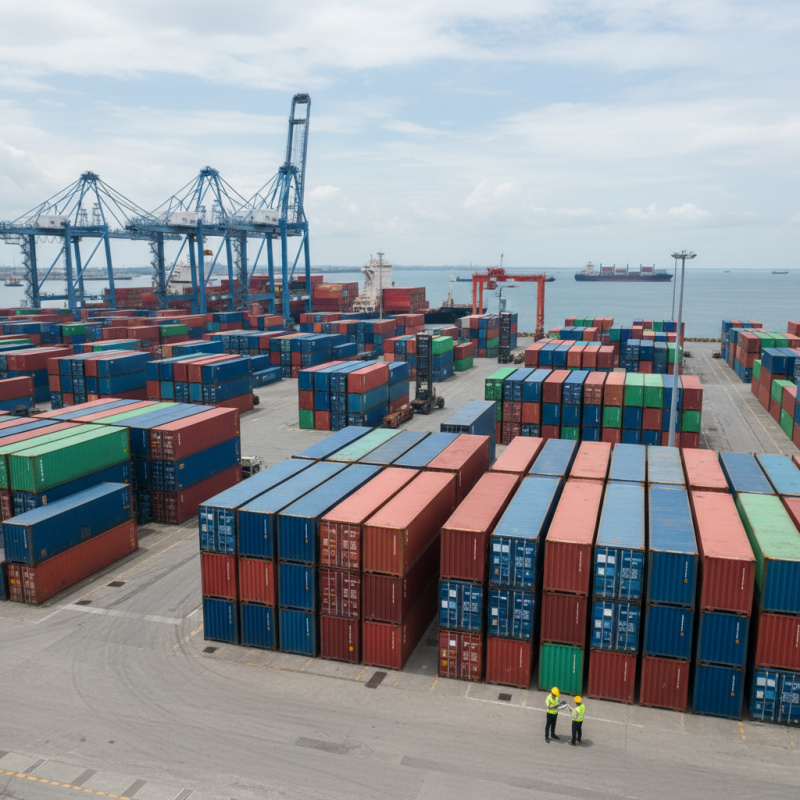
When considering sea containers for shipping, understanding your specific needs is crucial. Start by assessing the types of goods you will transport. Are they perishable, fragile, or oversized? Each category requires different container specifications. For example, refrigerated containers are necessary for perishable items. Opting for the right type can prevent potential damage or spoilage during transit.
Next, evaluate the volume and frequency of your shipments. Are you shipping in bulk or just a few items? This determines whether a full container load (FCL) or less than container load (LCL) is more suitable. Shipping logistics can be complex and unclear at times. Misjudging space requirements could lead to delays or added costs. Therefore, meticulous planning is essential.
Consider the journey's duration and destination as well. Longer trips may need extra precautions like enhanced security or specialized containers. Reflect on your experience with past shipments. Did you encounter issues with delivery times or container conditions? Learning from previous shipments can guide you in making informed decisions moving forward. Each detail matters in ensuring a seamless shipping process.
| Container Type | Dimensions (LxWxH) | Capacity (CBM) | Average Price ($) | Condition |
|---|---|---|---|---|
| Standard 20' Container | 20' x 8' x 8.5' | 33.2 | 2,000 | Used |
| High Cube 40' Container | 40' x 8' x 9.5' | 76.4 | 3,500 | New |
| Reefer 20' Container | 20' x 8' x 8.5' | 28.3 | 2,500 | Used |
| Flat Rack Container | 20' x 8' x 1.5' | 30.4 | 1,200 | New |
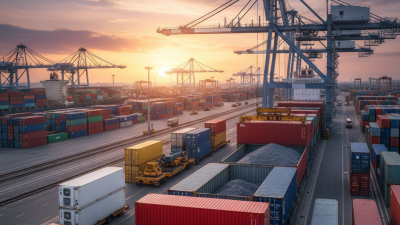
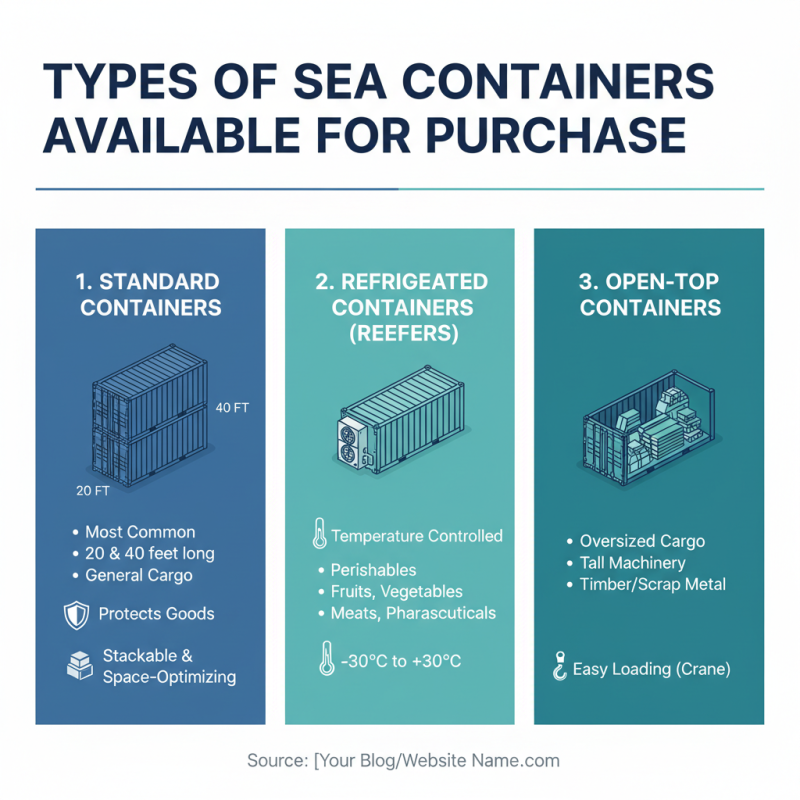
When it comes to purchasing sea containers, understanding the types available is crucial. Standard containers are the most common option. They come in various sizes, typically 20 or 40 feet long. These containers are ideal for general cargo. They protect goods from the elements. Moreover, they are stackable, which optimizes space during shipping.
Another type is the refrigerated container, or reefer. These are designed to transport perishable items. They maintain specific temperature ranges. If you are shipping fruits, vegetables, or pharmaceuticals, a reefer is necessary. However, these containers require electricity. Therefore, it can complicate logistics.
There are also specialized containers for bulk cargo. These include flat rack containers and open-top containers. Flat racks are good for heavy machinery or large equipment. Open-tops allow taller items to be loaded easily. Each type has its advantages and challenges. It’s important to reflect on the needs of your cargo. Selecting the incorrect type can impact your shipping efficiency. Always consider the nature of your goods before making a decision.
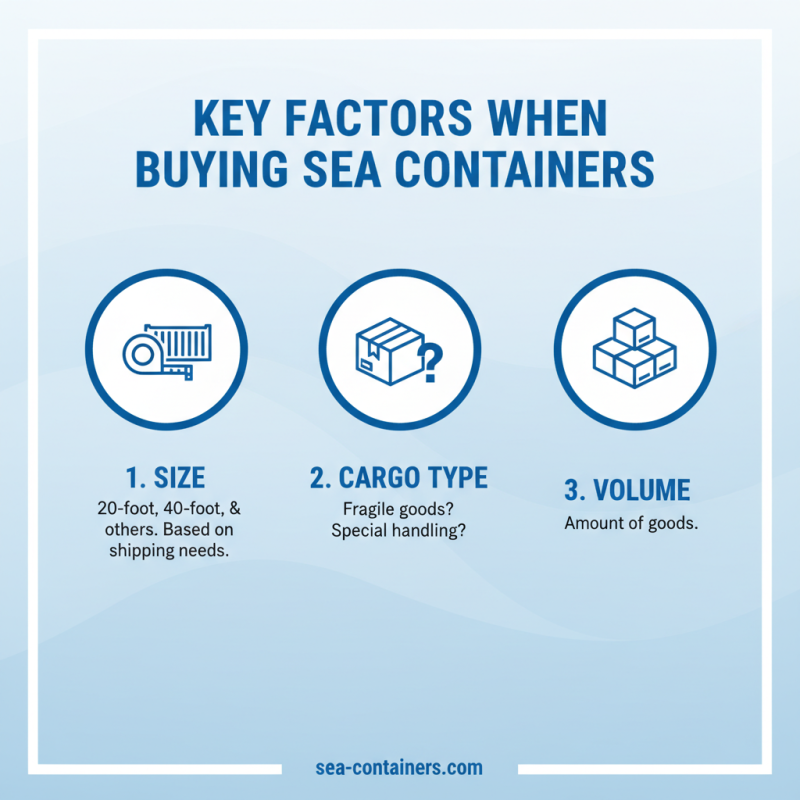
When buying sea containers, several key factors need consideration. The container's size is crucial. Standard sizes include 20-foot and 40-foot options, but other dimensions exist. Your shipping needs determine the best fit. Think about the cargo type and volume. Fragile goods may require special handling, influencing your choice.
Condition is another important factor. Containers can be new, used, or refurbished. New containers offer structural integrity. Used containers may be more affordable but could have wear and tear. Inspecting these containers is vital. Look for rust, dents, or leaks. Ensuring the container’s suitability for your goods helps prevent future issues.
Additionally, consider transport and delivery logistics. Understanding shipping routes and procedures is essential. Some areas may have restrictions on container delivery. Calculate transportation costs and potential delays. This planning will ensure smooth operations. Reflect on your needs, and weigh options carefully. Making informed decisions can lead to successful shipping experiences.
When searching for reliable suppliers of sea containers, start by exploring online marketplaces. Numerous platforms showcase various suppliers and customer reviews. Pay attention to their ratings. High ratings often indicate better service and product quality. Take time to read customer experiences before making any commitments.
Local inspections can provide deeper insights. Visit suppliers if possible. Examine the container's condition personally. Look for signs of wear and tear. A good supplier will allow you to inspect their inventory. An in-person visit builds trust and clarity about your purchase.
Networking within the shipping community can also yield great leads. Engage with fellow shippers through online forums or local meetups. They can offer recommendations based on their experiences. Not all suppliers are created equal. Keep an open mind and be ready to ask questions. Listen actively; insights from peers are invaluable in finding trustworthy sources.
When considering the purchase of sea containers, successful negotiation is crucial. Shipping container prices can vary significantly, so being informed is key. According to market analysis from the Container Shipping Industry Report, the average container price fluctuates between $2,000 and $5,000, depending on size and condition. Understanding these metrics can empower buyers during price discussions.
Engaging with multiple suppliers can provide valuable insights into market trends. Research from the Global Container Trade Report indicates that container demand is expected to grow by 3% annually over the next five years. This information helps buyers gauge the timing of their purchases. It's important to ask detailed questions about the container's history, maintenance, and resale value. Discounts may be available for bulk purchases, but negotiating those terms requires a clear understanding of the market.
Negotiation should not solely focus on price. Consider logistics costs associated with delivery, which can add significant expenses. A report by the International Maritime Organization highlights that transport costs can account for up to 30% of total expenses. Buyers should weigh these factors carefully. Transparency during negotiations builds trust, which can lead to better deals. Understanding these nuances can help you make informed decisions in a competitive marketplace.
This chart displays the average prices of various types of sea containers in 2023. It helps to understand the cost associated with each type, which is crucial for making informed purchasing decisions.
Subscribe to our newsletter for the latest news and exclusive offers.
We hold a long-term view when we build modular rooms taking into consideration your changing needs. Whether it’s shifting your workspace to a new site, redesigning your unit to fit new requirements, or simply clearing the area at the end of the project, our Dismantling & Reassembling teams are pressed into service to get the job done in the quickest possible time and minimum resource wastage.
We understand that every project is unique and therefore has a different set of requirements. That’s why we believe in customizing our solutions to fit individual needs. We are equipped with the right talents, technology, and skillset to offer bespoke modular units, without compromising on turnaround time or quality.
The benefits of choosing Containers ME continues long after the installation of the units as we provide aftersales service for as long as you need. All you have to do is sign the Annual Maintenance Contract (AMC) and enjoy technical support for all the maintenance-related issues. By signing the contract, you can rest assured that a highly professional team of dedicated staff are at your service all year round to attend to your needs.
We specialize in Customized Container Solutions designed to meet diverse needs across the UAE. Our offerings include customized modular containers that cater to various applications, from tailor-made container solutions to bespoke container designs.
Whether you’re looking for personalized container homes or custom modular containers, we have you covered. Our customized container offices provide functional workspaces, while our customized portable containers ensure flexibility on-site. Explore our range of custom container storage units and customized cargo containers to optimize your space.
We also offer custom container leasing and custom container fabrication services, along with customized sea containers designed for secure transport. For specialized needs, our specialized container modifications will help you create the perfect solution for your requirements in both Dubai and the broader UAE.