Blogs

How to Choose a Privacy Safe Surveillance Camera in 2026

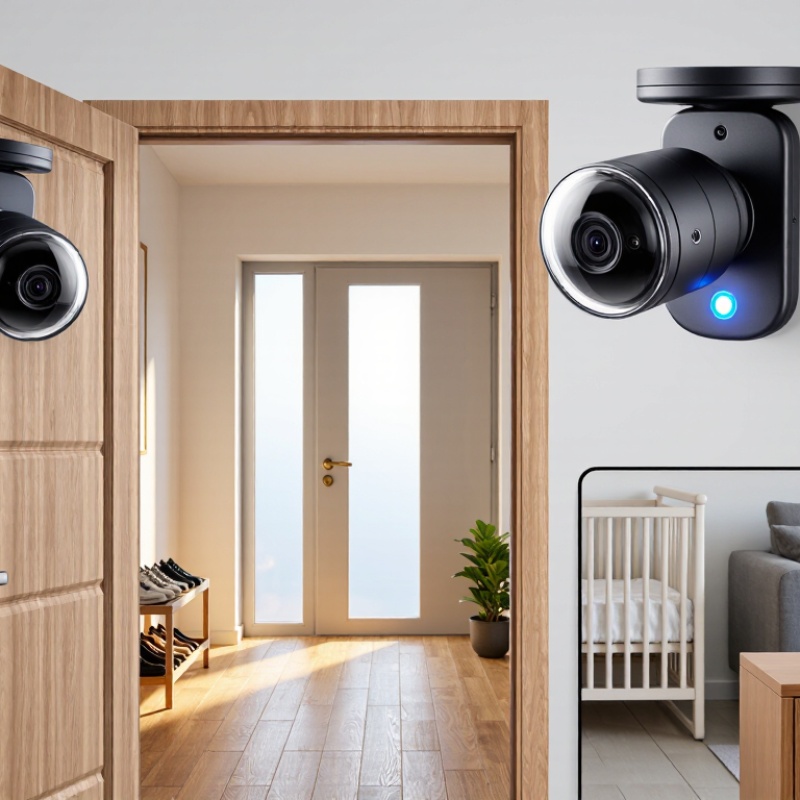
Choosing a privacy-safe surveillance camera in 2026 is not just about finding the sharpest image. It is about deciding what the device can see, record, and share. A camera beside a front door may capture a neighbor’s walkway, while a nursery monitor can record intimate routines. Small choices matter. Check whether footage stays on a local card or moves to cloud storage. Look for clear information about encryption, account access, retention periods, and deletion. The phrase “Surveillance Spy Cam” often appears in product searches, but discreetness should never replace consent, clear notice, or responsible placement.

Before buying, review the manufacturer’s privacy policy and security documentation. Confirm that the camera receives software updates and supports strong account protection, such as multifactor authentication. A physical lens cover or clear recording indicator can make everyday use easier to understand. Check whether you can disable audio, limit viewing permissions, and remove old clips without contacting support. Independent testing can offer useful evidence, but marketing claims alone are not proof. No checklist removes every risk. A secure camera can still collect more than you intended if its settings are left untouched. Compare these details with your household’s actual needs, and check local requirements before installation. Privacy is not a feature you set once; it needs occasional attention.
How to Choose a Privacy Safe Surveillance Camera in 2026

Define Your Security Needs and Privacy Boundaries

Before comparing cameras, map the areas you actually need to protect. A front gate, delivery shelf, or detached garage may justify recording; a neighbor’s window or family dining table usually does not. Privacy is personal. Write down where the camera may point, when it may record, and who may view footage. Include household members and visitors in that conversation. A camera aimed too widely can capture more than you intended, even when its installation seems convenient.

Plan for access as carefully as placement. The Verizon 2024 Data Breach Investigations Report found a human element in 68% of breaches. That figure covers many kinds of incidents, not cameras alone, but it shows why shared accounts and careless permissions deserve attention. Give each household user an individual login when available, enable multifactor authentication, and remove access when someone no longer needs it. Set a short retention period that still allows time to review an incident. Check whether audio can be disabled; conversations travel farther than a lens sees. I have found that setup plans often overlook guests. That is worth revisiting. Test the view from the camera’s actual position, day and night, then adjust privacy zones before regular use. Keep a simple note of who has access and when settings were last checked.

Compare Camera Types, Features, and Storage Options

Choosing a privacy-safe camera starts with the room and the footage you truly need. A fixed indoor camera suits a doorway; a pan-tilt model covers more floor, but may record more than intended. Outdoor units need weather protection, clear night vision, and reliable Wi-Fi or wired power. Check privacy zones, microphone controls, multifactor authentication, and encryption. Verizon’s 2024 Data Breach Investigations Report found a non-malicious human element in 68% of breaches. Settings and shared logins matter.

Local storage keeps clips on a card or recorder. It can reduce cloud exposure and recurring fees, but theft or device damage can erase footage. Cloud storage supports off-site access and backup, yet depends on account security, upload speed, and a clear retention period. Hybrid storage adds redundancy, though extra complexity is easy to overlook. Still, no setup is perfect.

Tips: Aim cameras at entry points, not beds or neighboring windows. Set the shortest useful retention period, then test playback before installation is complete. Review who can view clips. I’d recheck the camera angle after a week; everyday routines can change.

Evaluate Encryption, Access Controls, and Data Policies

A privacy-safe surveillance camera should protect footage from capture to deletion. Check whether video is encrypted in transit and at rest, and ask who controls the encryption keys. A padlock icon is not enough. For daily use, require unique accounts, multi-factor authentication, and role-based access. A maintenance worker may need to test a device, not replay a week of hallway footage.

Access mistakes matter. Verizon’s 2024 Data Breach Investigations Report found that a human element was involved in 68% of breaches; the figure covers breaches broadly, not cameras alone. IBM’s 2024 Cost of a Data Breach Report estimated the global average breach cost at US$4.88 million. These reports do not predict a camera’s risk, but they show why shared passwords and unchecked access deserve attention. Small details matter.

Read the data policy before installation. Find out where recordings are stored, how long they remain, whether service providers can access them, and how deletion works. Ask whether access and exports appear in audit logs, and how long software updates are provided. I would not treat a polished privacy page as proof; retention terms can still be vague. Test the setup: create a limited user, revoke access, then confirm old footage is actually removed.

Check Local Laws and Configure Privacy Zones

How to Choose a Privacy Safe Surveillance Camera in 2026

Check local rules before mounting a camera. Requirements can differ by location, especially for recording audio or filming shared spaces. Check current guidance from your local government or a qualified legal professional; do not assume that a camera aimed at your own property can capture nearby homes or public areas without limits. Cisco’s 2024 Consumer Privacy Survey, covering 2,600 people in 12 countries, found that 75% would not buy from organizations they did not trust with their data. That finding is a useful reminder: privacy settings affect confidence, not just compliance.

Configure privacy zones before daily use. On the live view, mask windows, sidewalks, and a neighbor’s gate, then walk through the area to see what the camera actually captures. Disable audio if it is unnecessary, restrict account access, and choose the shortest practical recording-retention period. Test the zones again after changing the camera angle or updating its software. A mask can look neat on screen and still miss an edge. That deserves a second look.

Tips

Save a screenshot of your privacy-zone settings and review it every few months. Use a unique password and enable multi-factor authentication when available. Check who can view recordings, and remove access that is no longer needed. Small checks matter.

Test and Maintain the Camera’s Security Over Time

A secure camera needs regular checks, not just a strong setup on installation day. Set a monthly reminder to review account access, saved recordings, and alert settings. Remove old users, replace reused passwords, and enable multifactor authentication where available. Check the camera’s date and time, too; incorrect timestamps can make an incident harder to investigate. Small details matter.

Install firmware updates from the manufacturer’s official channel, and confirm the update completed. The 2024 Verizon Data Breach Investigations Report found that stolen credentials remain a common path into systems. That finding is not specific to cameras, but it supports reviewing passwords and account access routinely. Test the camera from a separate network, such as mobile data, and verify that remote viewing still requires sign-in. Also inspect the router’s connected-device list for unfamiliar entries.

Keep the lens clean. Keep the software current. Once each quarter, review a short recorded clip and confirm that motion alerts arrive promptly. The FBI’s 2023 Internet Crime Report recorded more than 880,000 complaints across cybercrime categories; it does not measure camera attacks, but shows why basic account hygiene deserves attention. I would not assume a camera is safe just because it worked last month. Security checks can feel repetitive, and that is exactly why they get skipped.

Plug & Play Installation

Our installation services are top-notch, delivering modular systems for any application on time in plug & play condition. We leave nothing for you to figure out, set up, or fix. All you’ve to do is just step in, and get going with your business.

Dismantling & Reassembling

We hold a long-term view when we build modular rooms taking into consideration your changing needs. Whether it’s shifting your workspace to a new site, redesigning your unit to fit new requirements, or simply clearing the area at the end of the project, our Dismantling & Reassembling teams are pressed into service to get the job done in the quickest possible time and minimum resource wastage.

Interior Designing

Our interior designs combine both functional and aesthetic aspects to provide you with physical and emotional comfort. We ask you for your preferences and give the best possible solutions aligned to your tastes. Our units are built to be modern, stylish, and elegant.

Bespoke Solutions

We understand that every project is unique and therefore has a different set of requirements. That’s why we believe in customizing our solutions to fit individual needs. We are equipped with the right talents, technology, and skillset to offer bespoke modular units, without compromising on turnaround time or quality.

Aftersales Service

The benefits of choosing Containers ME continues long after the installation of the units as we provide aftersales service for as long as you need. All you have to do is sign the Annual Maintenance Contract (AMC) and enjoy technical support for all the maintenance-related issues. By signing the contract, you can rest assured that a highly professional team of dedicated staff are at your service all year round to attend to your needs.

Customized Container Solutions

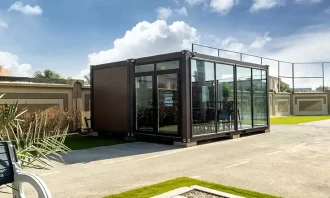
We specialize in Customized Container Solutions designed to meet diverse needs across the UAE. Our offerings include customized modular containers that cater to various applications, from tailor-made container solutions to bespoke container designs.

Whether you’re looking for personalized container homes or custom modular containers, we have you covered. Our customized container offices provide functional workspaces, while our customized portable containers ensure flexibility on-site. Explore our range of custom container storage units and customized cargo containers to optimize your space.

We also offer custom container leasing and custom container fabrication services, along with customized sea containers designed for secure transport. For specialized needs, our specialized container modifications will help you create the perfect solution for your requirements in both Dubai and the broader UAE.

Get a quote

Get a quote