Blogs

2026 How to Choose the Right Gas Buffer Tank for Your Needs?

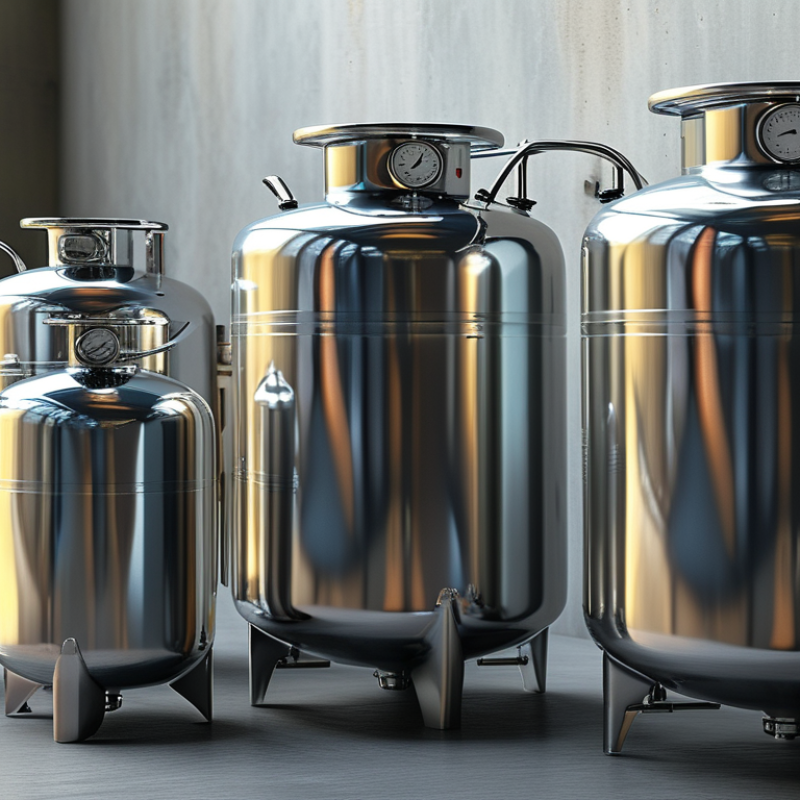
Selecting the right Gas Buffer Tank is crucial for effective system performance. The right tank can enhance efficiency, stability, and overall reliability. Different applications require different sizes and specifications. Understanding these needs is essential.

Gas Buffer Tanks can vary significantly in design and functionality. An effective tank minimizes pressure fluctuations, optimizing system operation. It's vital to consider factors like volume, pressure ratings, and installation space.

Ignoring these details can lead to suboptimal performance or even failures. Assessing your specific requirements is essential. Consider consulting with professionals or manufacturers to gain insights. Their expertise can guide you towards the best choice for your needs.
2026 How to Choose the Right Gas Buffer Tank for Your Needs?

Understanding the Basics of Gas Buffer Tanks

Gas buffer tanks play a crucial role in a variety of applications. They are designed to manage fluctuations in gas flow and pressure. Understanding their basics is essential for anyone considering their installation.

A gas buffer tank works by storing gas in a controlled environment. When demand surges, the tank can supply gas quickly. This prevents disruptions in supply. It helps maintain a steady flow, which is vital in industrial processes. However, choosing the right size and type of tank can be challenging. Factors like application, gas type, and required pressure must be considered.

It's important to analyze your specific needs. Consider the expected gas consumption rate. Evaluate peak demand occurrences. An improperly sized tank can lead to inefficiencies. This may result in increased operational costs or even system failures. Always consult with professionals to ensure proper selection and installation. Their expertise can greatly enhance your investment in a gas buffer tank.

Identifying Your Specific Needs for a Gas Buffer Tank

Choosing the right gas buffer tank starts with identifying your specific needs. Consider your gas demand. Do you need a tank for residential use or industrial applications? Different settings require different capacities. Assess the flow rate required. High-demand scenarios may necessitate larger tanks. Smaller setups might do fine with less capacity.

Next, evaluate the space available. Some tanks can be bulky, while others are compact. Ensure the chosen tank fits your installation area without compromising safety. Also, think about the material. Steel, fiberglass, or polyethylene offer different benefits. Each material has distinct longevity and maintenance needs.

Don’t overlook regulatory compliance. Local regulations can dictate the type of tank you can use. Check for any needed permits or inspections. It's crucial for safety and legal operation. Reflection on these aspects ensures that your purchase aligns with your operational requirements. Mistakes in this process can lead to inefficiencies or safety concerns, so take the time to reassess your needs carefully.

Evaluating Different Types of Gas Buffer Tanks Available

When selecting a gas buffer tank, it’s crucial to understand the various types available. Market reports indicate that the demand for these tanks is projected to grow by 5% annually through 2026. Two main categories stand out: above-ground and underground gas buffer tanks. Above-ground tanks are easier to access for maintenance, while underground versions provide better insulation.

Consider the specific needs of your operation when evaluating these options. The material of the tank also plays a significant role. Stainless steel tanks resist corrosion and extend service life, while polyethylene tanks are lightweight and easier to install. According to industry data, choosing the right material can enhance efficiency by up to 20%.

Selecting the correct size is equally important. Oversized tanks can lead to inefficiencies, causing gas to stagnate. The average gas buffer tank holds 10,000 to 30,000 gallons. It may be worth recalibrating expectations based on usage patterns. Lastly, be aware of local regulations affecting storage. Each region has specific compliance requirements that should be thoroughly reviewed. The right choice today ensures reliability tomorrow.

Factors to Consider When Selecting a Gas Buffer Tank

When selecting a gas buffer tank, several critical factors come into play. The tank's size should be your primary consideration, as it directly correlates with your expected usage. A larger tank can accommodate more gas, but it may take up unnecessary space. Balance is key. Assess your typical consumption rates and growth projections before making a decision.

Material is another important factor. Tanks may come in steel or composite materials, each with its own reliability and durability levels. Steel tanks often take on more pressure but can be prone to rust. Composite tanks are lighter and less susceptible to corrosion. Consider where you will place the tank, as environmental conditions might also impact material choice.

Tips for choosing include evaluating local regulations and compliance requirements. They can significantly influence the type of tank you can use. Research installation and maintenance costs, as these can add to your overall budget. Remember, the right tank not only meets your needs but can also enhance efficiency in your operations. Choose wisely, as a decision now will affect your future needs.

2026 How to Choose the Right Gas Buffer Tank for Your Needs?

This chart illustrates the importance levels of various factors to consider when selecting a gas buffer tank. The factors include capacity, material type, tank shape, insulation type, and installation cost, rated on a scale from 1 to 10.

Maintenance and Operational Guidelines for Gas Buffer Tanks

Gas buffer tanks play a crucial role in maintaining consistent gas supply across various applications. Regular maintenance is essential to ensure their efficiency and longevity. Begin by routinely checking for any leaks or corrosion on the tank's surface. These issues, while often small initially, can escalate into larger problems if ignored.

Monitoring pressure and temperature levels is vital too. Gas buffer tanks should operate within specific parameters to prevent potential failures. Take notes of any unusual readings and address them promptly. Remember, neglecting these signs can lead to more severe operational disruptions.

It is wise to schedule periodic inspections by qualified professionals. They can provide a deeper evaluation than routine checks might offer. Engaging with experts ensures that potential issues are caught early. Their experience can guide you on best practices that enhance the tank's performance and safety.

Consider documenting your maintenance routine and expressed reflections on it. This documentation can serve as a reference point for future maintenance tasks. You may find it helpful for analyzing the tank's operational history over time. Staying proactive will ultimately lead to better, more efficient management of your gas buffer tank.

Plug & Play Installation

Our installation services are top-notch, delivering modular systems for any application on time in plug & play condition. We leave nothing for you to figure out, set up, or fix. All you’ve to do is just step in, and get going with your business.

Dismantling & Reassembling

We hold a long-term view when we build modular rooms taking into consideration your changing needs. Whether it’s shifting your workspace to a new site, redesigning your unit to fit new requirements, or simply clearing the area at the end of the project, our Dismantling & Reassembling teams are pressed into service to get the job done in the quickest possible time and minimum resource wastage.

Interior Designing

Our interior designs combine both functional and aesthetic aspects to provide you with physical and emotional comfort. We ask you for your preferences and give the best possible solutions aligned to your tastes. Our units are built to be modern, stylish, and elegant.

Bespoke Solutions

We understand that every project is unique and therefore has a different set of requirements. That’s why we believe in customizing our solutions to fit individual needs. We are equipped with the right talents, technology, and skillset to offer bespoke modular units, without compromising on turnaround time or quality.

Aftersales Service

The benefits of choosing Containers ME continues long after the installation of the units as we provide aftersales service for as long as you need. All you have to do is sign the Annual Maintenance Contract (AMC) and enjoy technical support for all the maintenance-related issues. By signing the contract, you can rest assured that a highly professional team of dedicated staff are at your service all year round to attend to your needs.

Customized Container Solutions

We specialize in Customized Container Solutions designed to meet diverse needs across the UAE. Our offerings include customized modular containers that cater to various applications, from tailor-made container solutions to bespoke container designs.

Whether you’re looking for personalized container homes or custom modular containers, we have you covered. Our customized container offices provide functional workspaces, while our customized portable containers ensure flexibility on-site. Explore our range of custom container storage units and customized cargo containers to optimize your space.

We also offer custom container leasing and custom container fabrication services, along with customized sea containers designed for secure transport. For specialized needs, our specialized container modifications will help you create the perfect solution for your requirements in both Dubai and the broader UAE.

Get a quote

Get a quote