How to Choose a Chipboard Slotting Machine in 2026?
Choosing a Chipboard Slotting Machine in 2026 requires more than comparing prices and motor power. The right machine must match your board thickness, slot dimensions, production speed, and finishing expectations. A workshop cutting lightweight display panels needs different equipment from a factory producing heavy-duty furniture components. Small details matter. A weak dust-extraction system can leave rough edges, blocked guides, and unhealthy working conditions. Poorly aligned blades may also create uneven slots, even when the machine appears modern.
This guide examines practical selection criteria based on manufacturing experience, technical specifications, and dependable supplier support. It considers cutting accuracy, adjustable slotting depth, tooling quality, automation, safety features, maintenance access, and long-term operating costs. A clear comparison should include real production samples, not only catalogue photographs. Ask suppliers for test cuts using your actual chipboard. That step often reveals vibration, chipping, or inaccurate positioning.
Some assumptions may fail.
A higher purchase price does not always guarantee better output. Likewise, a compact machine may outperform a larger model in a carefully controlled workshop. Buyers should record hourly capacity, blade replacement intervals, power consumption, and operator training needs. Warranty terms and spare-parts availability deserve equal attention. In 2026, connected controls and automated settings may improve consistency, but they can also increase repair complexity. The best decision balances proven performance with future flexibility. It should support safe, repeatable work rather than impressive specifications alone.
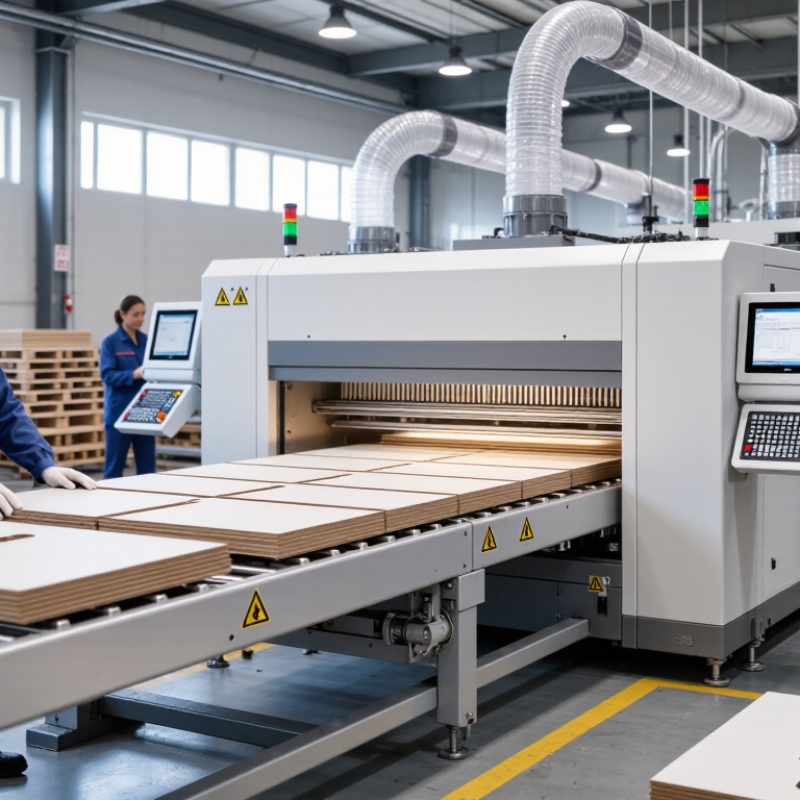
Understanding Chipboard Slotting Machine Types and Applications
Choosing a chipboard slotting machine in 2026 starts with the product, not the machine’s advertised speed. Folding cartons, drawer boxes, rigid covers, partitions, and retail displays require different slot widths and crease control. A rotary slotter suits stable, high-volume work. A CNC or servo slotter handles frequent size changes with better repeatability. Manual and semi-automatic models remain practical for samples and short runs.
The material also matters. Chipboard thickness, coating, moisture, and grain direction can change cutting pressure and edge quality. FAO’s Yearbook of Forest Products reported global paper and paperboard production at about 416 million tonnes in 2022, showing the scale of the wider fiber-based packaging sector. Smithers’ folding-carton research also highlights shorter runs, more product versions, and premium finishes as important market pressures. Your machine should therefore support quick tooling changes, accurate registration, dust extraction, and simple operator adjustment. Measure real setup time, not only hourly output. That detail is often missed. In my experience, an impressive speed figure can hide unstable feeding or excessive waste. A sensible trial should use your actual chipboard, slot pattern, and smallest batch size. No machine is perfect. Small errors become expensive when every carton must fold cleanly.
How to Choose a Chipboard Slotting Machine in 2026?
Understanding chipboard slotting machine types and applications through indicative production-planning data.
Manual
Suitable for prototypes, short runs, and custom packaging where flexibility is more important than speed.
Semi-Automatic
A practical choice for small and medium production runs with frequent format changes.
Automatic Reciprocating
Designed for repeatable folding-carton and rigid-chipboard work with regular batch production.
Automatic Rotary
Best suited to high-volume, standardized production where continuous feeding and output are priorities.
The chart uses indicative planning benchmarks in sheets per minute. Actual throughput varies with chipboard thickness, slot depth, sheet size, grain direction, tooling, feeding method, and operator skill.
Comparing Key Features, Accuracy, Speed, and Automation
Choosing a chipboard slotting machine in 2026 requires more than comparing maximum speed. Start with accuracy. A stable servo drive, rigid tooling, and camera registration can reduce misplaced slots across short production runs. Ask suppliers to test your actual board, including coated, recycled, and warped sheets. Measure slot position, cut depth, waste, and repeatability. A beautiful specification sheet is not enough.
Speed matters when orders change frequently. Compare usable output, not the headline strokes-per-minute figure. Record setup time, tool-change time, and stoppages during a realistic eight-hour trial. According to Rockwell Automation’s 2024 State of Smart Manufacturing report, 95% of manufacturers are investing in or planning to invest in artificial intelligence and machine learning. That trend supports machines with production monitoring, fault alerts, and downloadable performance data. Still, automation can expose poor process discipline. Faster mistakes remain mistakes.
Look for recipe storage, automatic feeding, servo-controlled positioning, and simple operator adjustments. Deloitte’s 2024 Smart Manufacturing and Operations Survey reported that 86% of manufacturing executives expect smart manufacturing to strengthen competitiveness within five years. For chipboard converting, that advantage depends on useful integration, not screens alone. Check whether the machine connects with existing planning and maintenance systems. Safety interlocks, guarded tooling, and clear access points also affect real productivity. I would leave room for human judgment. Board moisture, dust, and uneven batches can defeat an overconfident setup. Test carefully.
Evaluating Materials, Tooling, Safety, and Maintenance Needs
How to Choose a Chipboard Slotting Machine in 2026?
Choosing a chipboard slotting machine in 2026 starts with the board, not the advertised speed. Record thickness, density, moisture, and recycled fiber content from actual production batches. Dense board can overload tooling, while soft board may tear around slot edges. Test several sheets under normal feed pressure. Measure twice. Ask for cut samples, dimensional results, dust readings, and a written capacity range. A credible evaluation includes operators, maintenance staff, and a documented risk assessment. Their feedback often exposes problems that demonstrations hide.
Tooling deserves equal attention. Choose cutters for the required slot width, depth, and edge quality. Verify sharpening and replacement procedures. Carbide tooling may last longer, but poor alignment can still create vibration, heat, and uneven slots. Guarding, interlocks, emergency stops, extraction, and safe access points should be checked before acceptance. Keep it practical. Maintenance needs are less visible but expensive when ignored. Inspect spindle alignment, belts, bearings, clamps, and dust channels at defined intervals. Use a simple service log with dates, findings, adjustments, and replaced parts. I would also ask how quickly critical spares arrive; this question is easy to overlook. One weakness remains: test conditions rarely match every shift. Allow operators to challenge the specification after installation, because board variation may reveal unplanned wear.






