
How to Choose a Grid Tie Inverter in 2026?
A grid-tie inverter converts solar panels’ direct current into usable alternating current. It synchronizes with the utility grid and supplies electricity to household circuits. Extra power can flow back through a properly approved meter. This device is the system’s control center.
Look for an inverter that matches the panel array’s voltage, current, and expected power. Maximum power point tracking helps panels perform during changing sunlight. Shade can expose weaknesses in the design. Separate tracking inputs may help when roof sections face different directions. Check efficiency, operating temperature, monitoring quality, and protection features. Anti-islanding protection is essential because the inverter must stop exporting power during a grid outage.
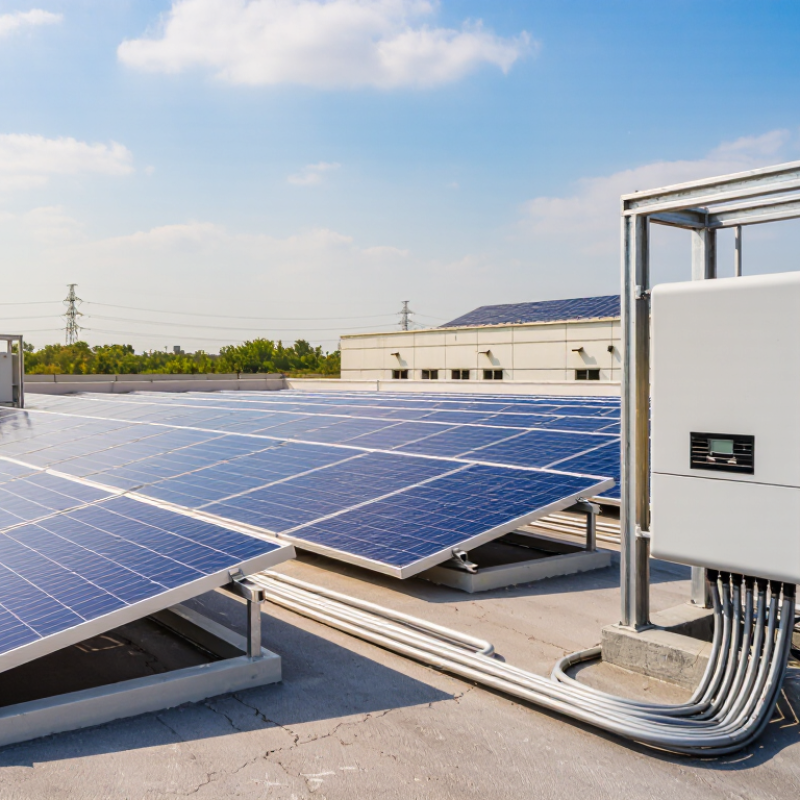
A practical inspection should include cable routing, ventilation, grounding, and accessible shutdown controls. Local electrical requirements still matter. Do not choose by peak wattage alone. An oversized inverter may operate inefficiently during ordinary mornings and cloudy afternoons. I have seen installations where excellent panels performed poorly because the inverter settings were never checked. That mistake is easy to overlook. Review data after installation, especially during hot weather. Ask for clear service support, realistic warranty terms, and documented certification. No inverter is perfect. A quieter, simpler model may be more reliable than a feature-heavy unit that nobody understands.