Choosing the right Automated Storage System (ASS) is crucial for businesses today. According to a recent report by Grand View Research, the global market for automated storage systems is projected to reach $37.2 billion by 2028, driven by the growing demand for efficiency and space optimization. With companies increasingly shifting towards automation, understanding the nuances of various options available is essential.
Companies often overlook critical factors when selecting an ASS. For example, scalability and adaptability to various inventory types can significantly affect long-term performance. A survey by Logistics Management found that 81% of warehouses need more efficient storage solutions, yet many still choose systems that don’t align with their evolving needs. Investing time and resources into the right automated system can lead to improved productivity and reduced operational costs.
However, making a selection can be overwhelming. Different industries may require unique features, and understanding these needs is vital. It's easy to get caught up in the allure of advanced technology without fully considering the practical application. Examining real-world implementations of automated systems can provide valuable insights and highlight potential pitfalls to avoid.
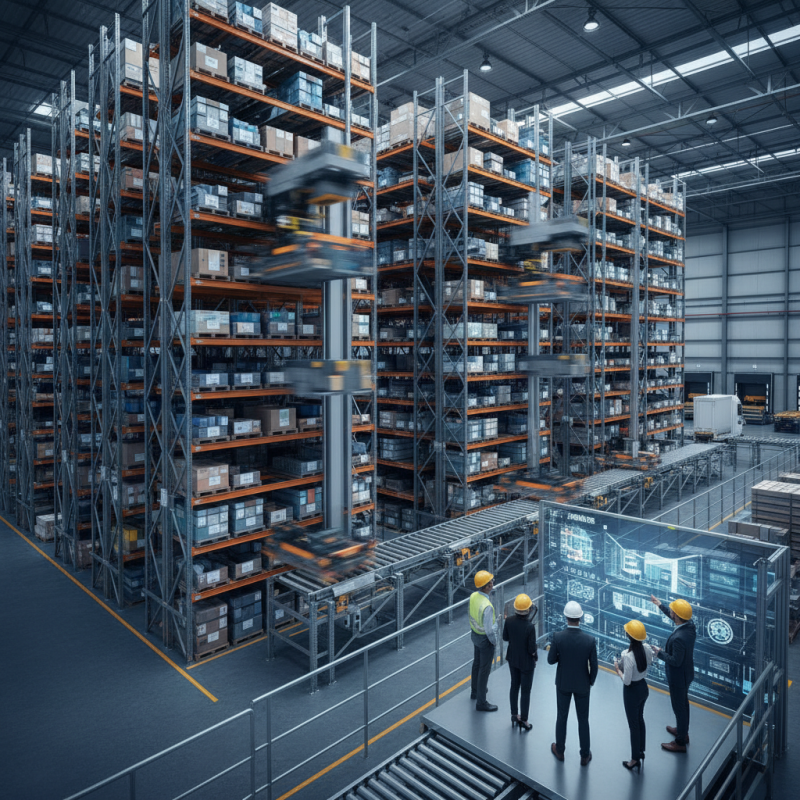
Choosing the right automated storage system starts with understanding your business needs. Every company operates differently, and these differences shape storage requirements. Assess the volume of items you handle daily. Consider the types of products or materials you store. Heavy, bulky items require different systems than small, fragile items.
Evaluate the space available in your facility. Some systems require more floor space, while others maximize vertical storage. Think about future growth. Can the system expand as your inventory increases? Flexibility is crucial. Analyze your current workflow. Identify any bottlenecks or inefficiencies in your current storage method. This reflection can reveal gaps that need addressing.
Consult with experts when considering your options. Their experience can provide insights you might overlook. It’s okay to feel overwhelmed by the choices. Each system has its pros and cons. Take time to weigh these against your specific needs. Don’t rush the decision-making process. Solving your storage challenges requires thoughtful evaluation.

Automated storage systems come in various types, each catering to unique operational needs. The most common category is the automated vertical storage system. These systems optimize vertical space, allowing for high-density storage in small footprints. They use vertical lifts to retrieve items, enhancing efficiency in item access. However, they may not be suitable for all product types. Heavy or bulky items can be cumbersome to handle in such systems.
Another prevalent type is the shuttle system. These systems utilize shuttles to transport goods within aisles. They can manage a diverse range of products and sizes, making them versatile. While shuttle systems offer flexibility, they require careful planning. Businesses must ensure proper layout design to maximize their benefits. Integrating such technology can be complex and may lead to unexpected costs.
Lastly, there are carousel systems, which rotate inventory for easy access. They are ideal for smaller items and are widely used in retail and pharmaceuticals. These systems reduce retrieval time significantly. Yet, their speed may sometimes lead to errors in picking if not monitored closely. Evaluating these options requires understanding specific needs and potential challenges in implementation.
Evaluating the cost versus benefits of automated storage solutions requires thorough analysis. Businesses should start by assessing their specific needs. Consider space, inventory volume, and retrieval speed. Automated systems can save floor space and enhance efficiency, but they often come with a high upfront investment.
Cost factors include installation, maintenance, and training. It's essential to weigh these against potential savings. For instance, reduced labor costs and increased accuracy can lead to substantial financial benefits over time. However, not every organization will see an immediate return on investment. Some may find the technology overwhelming or difficult to integrate with existing processes.
Investing in an automated system does not guarantee success. Businesses should pilot projects before full implementation. Gathering feedback from employees can help identify pain points. This approach allows for adjustments to better meet operational needs. Making informed choices based on real performance data can lead to greater satisfaction and efficiency in the long run.
When selecting an automated storage system, several key features are critical. The system should offer scalability to grow with your business. For example, a recent industry report indicated that businesses using scalable systems see a growth of 30% in storage efficiency. This adaptability ensures you can manage increases in inventory without a complete overhaul.
Another important feature is the integration capabilities of the system. Automation is most effective when it seamlessly connects with existing operations. According to a research by the International Society of Automation, organizations that integrate their automated systems report a 25% reduction in labor costs. This integration minimizes disruptions and enhances productivity, but finding the right fit can be complex.
Reliability is essential. A system that frequently malfunctions can lead to costly delays. Some studies suggest that unplanned downtime can result in losses up to $100,000 a day for large warehouses. It's crucial to invest time in evaluating the track records of potential systems. Consideration of these factors, while also recognizing the unique needs of your business, can lead to more effective storage solutions.
| Feature | Description | Importance | Considerations |
|---|---|---|---|
| Capacity | The maximum volume or weight of items that can be stored. | High | Evaluate current and future storage needs. |
| Speed | How fast the system can retrieve and store items. | Medium | Consider the impact of retrieval time on operations. |
| Scalability | Ability to expand the system as business needs grow. | High | Check for modular components and upgrade options. |
| Integration | Compatibility with existing inventory and management systems. | High | Assess data exchange capabilities and API options. |
| User-Friendly Interface | Ease of use for operators and management. | Medium | Look for intuitive controls and support resources. |
| Safety Features | Mechanisms to ensure the safety of items and operators. | High | Check for emergency stops and safety audits. |
Integrating automated storage systems into existing warehouse operations demands careful consideration. According to a study by the Warehousing Education and Research Council, effective integration can enhance operational efficiency by up to 30%. This statistic highlights the potential benefits of automation in streamlining warehouse workflows.
Evaluating the current processes is essential. Businesses must pinpoint areas that can be improved with automation. For example, if inventory retrieval is slow, automation could speed this up significantly. However, challenges emerge when integrating new technology with legacy systems. Compatibility issues may arise, leading to disruptions in day-to-day operations. A report from MarketsandMarkets indicates that nearly 50% of companies face integration challenges. Recognizing these pitfalls is crucial.
Trainers often highlight the importance of staff adaptation. Employees must be comfortable with new systems to fully realize efficiency gains. Investing in training can mitigate resistance to change. Furthermore, regular assessments of the automated systems are necessary. They help to identify further opportunities for improvement or modification. Embracing a culture of continuous improvement ensures that the automated storage system remains effective.
Subscribe to our newsletter for the latest news and exclusive offers.
We hold a long-term view when we build modular rooms taking into consideration your changing needs. Whether it’s shifting your workspace to a new site, redesigning your unit to fit new requirements, or simply clearing the area at the end of the project, our Dismantling & Reassembling teams are pressed into service to get the job done in the quickest possible time and minimum resource wastage.
We understand that every project is unique and therefore has a different set of requirements. That’s why we believe in customizing our solutions to fit individual needs. We are equipped with the right talents, technology, and skillset to offer bespoke modular units, without compromising on turnaround time or quality.
The benefits of choosing Containers ME continues long after the installation of the units as we provide aftersales service for as long as you need. All you have to do is sign the Annual Maintenance Contract (AMC) and enjoy technical support for all the maintenance-related issues. By signing the contract, you can rest assured that a highly professional team of dedicated staff are at your service all year round to attend to your needs.
We specialize in Customized Container Solutions designed to meet diverse needs across the UAE. Our offerings include customized modular containers that cater to various applications, from tailor-made container solutions to bespoke container designs.
Whether you’re looking for personalized container homes or custom modular containers, we have you covered. Our customized container offices provide functional workspaces, while our customized portable containers ensure flexibility on-site. Explore our range of custom container storage units and customized cargo containers to optimize your space.
We also offer custom container leasing and custom container fabrication services, along with customized sea containers designed for secure transport. For specialized needs, our specialized container modifications will help you create the perfect solution for your requirements in both Dubai and the broader UAE.