Choosing the best shipping container transport solutions can be challenging. The market offers a range of options, but not all are reliable. Understanding what makes a transport solution effective is key.
When assessing shipping container transport, consider several factors. The size and type of your cargo influence your choice. Are you shipping large machinery or delicate products? Each requires different handling and care. Additionally, shipping costs can vary widely based on distance and carrier. It's essential to compare quotes and services.
Experience matters in shipping container transport. Companies with a solid track record often provide better service. Look for reviews and testimonials from previous clients. Reliable transport solutions ensure your goods arrive safely and on time. Reflect on your priorities. Are you focused on speed or cost? Balancing these elements is crucial for a successful transport experience.

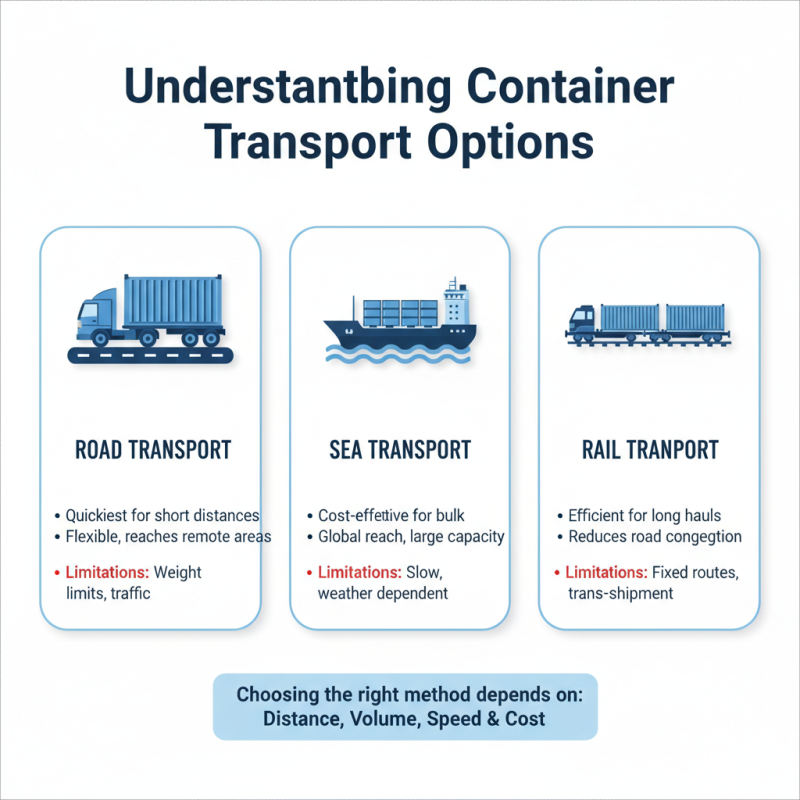
When considering shipping container transport options, understanding the available choices is crucial. Numerous methods exist, each with unique benefits and challenges. Road transport is often the quickest solution. Trucks can reach remote areas easily. However, they have limitations, like weight restrictions and traffic conditions. Larger shipments might require a different approach to ensure efficiency.
Rail transport is another essential option. It is often more economical for longer distances. Trains carry multiple containers simultaneously, reducing fuel costs. Yet, accessibility can pose a challenge. Finding rail terminals near your location may not always be easy.
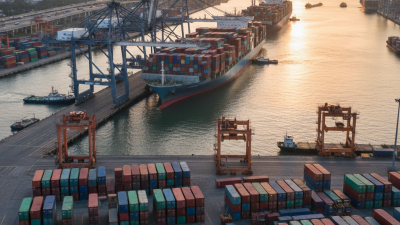
Then, there's maritime shipping. This is ideal for international transport. Ships can carry vast quantities of containers. The downside? Transit times can be lengthy, and schedules may fluctuate due to weather. Each mode of transport necessitates thorough consideration of your specific needs. Reflecting on these factors can lead to better decisions.

When evaluating transportation needs for shipping containers, it is crucial to analyze several key factors. The logistics industry has reported that nearly 70% of shipping costs stem from transportation. This statistic highlights the importance of selecting the right transport solution. Whether you are shipping domestically or internationally, understanding your shipment's specific requirements is essential.
Consider the size and weight of your containers. A standard 20-foot container can carry up to 22,000 pounds, while a 40-foot container doubles that capacity. Choosing the appropriate container type can significantly influence your overall shipping costs. Additionally, consider the urgency of your shipments. According to industry reports, expedited shipping options can increase shipping costs by as much as 50%.
You must also assess the routes and delivery methods available. Some regions may present logistical challenges that can complicate the process. Shipping through congested ports can lead to delays and additional fees. Another element to consider is the reliability of your chosen transportation provider. Researching reviews and safety records is wise. Evaluating these elements carefully ensures a smoother shipping experience, ultimately enabling you to make informed decisions.
When selecting a shipping container transport provider, several key factors demand attention. Reliability stands out. According to industry reports, 20% of shipping delays originate from subpar transport services. It highlights why choosing a proven provider is crucial. Check reviews and customer feedback. Look for consistent delivery performance and transparency.
Cost is another critical element. Data from shipping and logistics surveys indicates that 40% of companies prioritize price over service quality. However, the cheapest option may lead to hidden costs and complications. Ensure that you balance expense with value. Evaluate what each provider includes in their service. Hidden fees can derail budgets.
Experience in handling specific cargo types is essential. Not all transport providers specialize in containerized shipping. Their familiarity with routes and regulations can significantly impact shipping efficiency. Companies that lack expertise may encounter higher risks. Research the provider's history and ask for case studies if necessary. This scrutiny helps mitigate potential issues during transit.
| Factor | Description | Importance Level |
|---|---|---|
| Cost | Evaluate the total costs involved, including shipping rates and additional fees. | High |
| Transit Time | Consider how long the shipping process will take and if it meets your deadlines. | High |
| Reliability | Research the provider's track record for on-time delivery and damage rates. | High |
| Customer Service | Assess the quality of customer support and their responsiveness to inquiries. | Medium |
| Flexibility | Ensure the provider can accommodate changes in shipping needs or schedules. | Medium |
| Technology | Look for transport providers that use modern tracking and technology for better transparency. | Low |
| Insurance Options | Check if the provider offers insurance for your cargo in case of loss or damage. | High |
When selecting shipping container transport solutions, cost is a crucial factor. Different carriers offer varying rates based on distance and service types. It’s essential to compare these costs meticulously. Some may charge extra for insurance, loading, or unloading. Understanding these potential fees can help you avoid surprises.
Service quality also plays a significant role. Look for carriers with reliable tracking systems. This transparency allows you to monitor your shipment in real time. Feedback from previous customers can provide insights into a company’s reliability. Sometimes, lower costs come with compromised service.
Be mindful of transit times as well. Slow deliveries can disrupt your operations. Prioritize transport solutions that meet your timeline without stretching your budget. Ultimately, weighing costs against service quality helps you make an informed decision. It’s about striking the right balance for your specific needs.
This chart illustrates the comparative costs of various shipping container transport solutions. As seen, while sea freight is the most economical option, air freight is significantly more expensive, making it a valuable option for urgent shipments.
When transporting shipping containers, compliance and safety are paramount. It is crucial to adhere to the standards set by regulatory bodies. In the U.S., the Federal Maritime Commission mandates rigorous safety protocols. Failing to follow these standards can result in hefty fines and delays. According to industry reports, 30% of shipping delays stem from compliance issues.
Proper training is essential for personnel involved in container transport. Workers should understand loading procedures, weight limitations, and securing methods. Statistics show that improper loading accounts for nearly 25% of shipping accidents. Safety measures must include regular inspections of containers and transport vehicles, ensuring they meet required standards.
Transportation methods should also prioritize safety. Using GPS tracking can enhance security during transit. Furthermore, reevaluating transport routes may mitigate risks. A case study indicated that 40% of container thefts occurred on poorly monitored routes. Being proactive in these areas significantly reduces the potential for loss or damage. Continuous reflection on safety practices will strengthen the overall integrity of the shipping process.
Subscribe to our newsletter for the latest news and exclusive offers.
We hold a long-term view when we build modular rooms taking into consideration your changing needs. Whether it’s shifting your workspace to a new site, redesigning your unit to fit new requirements, or simply clearing the area at the end of the project, our Dismantling & Reassembling teams are pressed into service to get the job done in the quickest possible time and minimum resource wastage.
We understand that every project is unique and therefore has a different set of requirements. That’s why we believe in customizing our solutions to fit individual needs. We are equipped with the right talents, technology, and skillset to offer bespoke modular units, without compromising on turnaround time or quality.
The benefits of choosing Containers ME continues long after the installation of the units as we provide aftersales service for as long as you need. All you have to do is sign the Annual Maintenance Contract (AMC) and enjoy technical support for all the maintenance-related issues. By signing the contract, you can rest assured that a highly professional team of dedicated staff are at your service all year round to attend to your needs.
We specialize in Customized Container Solutions designed to meet diverse needs across the UAE. Our offerings include customized modular containers that cater to various applications, from tailor-made container solutions to bespoke container designs.
Whether you’re looking for personalized container homes or custom modular containers, we have you covered. Our customized container offices provide functional workspaces, while our customized portable containers ensure flexibility on-site. Explore our range of custom container storage units and customized cargo containers to optimize your space.
We also offer custom container leasing and custom container fabrication services, along with customized sea containers designed for secure transport. For specialized needs, our specialized container modifications will help you create the perfect solution for your requirements in both Dubai and the broader UAE.