Blogs

How to Choose the Best Thermal Insulation Materials for Your Needs?

Choosing the right Thermal Insulation materials is crucial for energy efficiency. Proper insulation can greatly reduce energy costs and enhance comfort. Each project has unique requirements, so understanding your specific needs is vital.

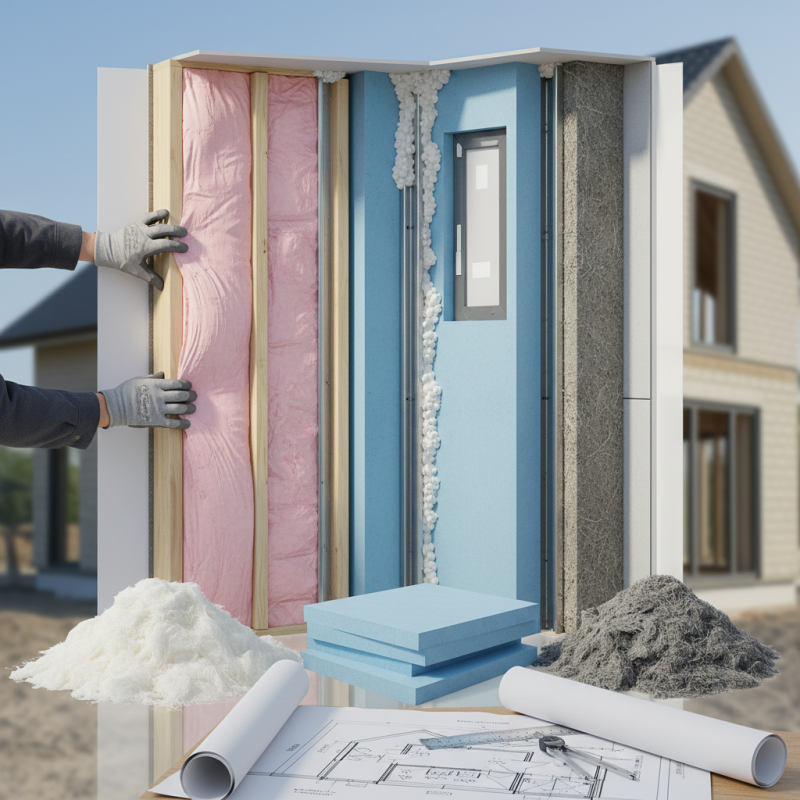
Thermal insulation comes in various forms, such as fiberglass, foam, and mineral wool. Each type has its benefits and drawbacks. For instance, fiberglass is widely used due to its affordability, but it may not provide the best air sealing. Foam offers superior insulation but can be more expensive.

Consider factors like climate, application, and budget when selecting materials. The effectiveness of thermal insulation depends not only on the material but also on proper installation. Reflecting on your choices can lead to better results. Selecting the right thermal insulation requires careful consideration and expertise to ensure long-term benefits.
How to Choose the Best Thermal Insulation Materials for Your Needs?

Types of Thermal Insulation Materials Available in the Market

When it comes to thermal insulation materials, understanding the options is crucial for effective energy management. The market offers diverse types, including fiberglass, foam board, cellulose, and mineral wool. According to the U.S. Department of Energy, fiberglass and cellulose are among the most popular materials, providing excellent thermal resistance at a relatively low cost.

Fiberglass insulation is made from fine glass fibers. It is non-combustible and has a low thermal conductivity, making it a preferred choice in residential buildings. However, installation can be tricky and sometimes leads to gaps. On the other hand, cellulose insulation is made from recycled paper products. It is known for its environmental benefits and superior air sealing properties. Yet, it can absorb moisture if not properly treated.

Foam board and mineral wool are also key players. Foam board insulation provides better insulation values per inch of thickness. However, it is less eco-friendly compared to cellulose. Mineral wool is fire-resistant, and its density helps with soundproofing. Its water resistance is a plus, but installation often requires special techniques. Choosing the right material involves evaluating these properties, along with climate considerations and building codes.

Key Factors to Consider When Choosing Insulation Materials

Choosing the right thermal insulation materials can significantly impact energy efficiency and comfort levels in your home or office. Key factors to consider include thermal resistance (R-value), material density, and environmental impact. The R-value measures a material's ability to resist heat flow. Higher values indicate better insulation performance. However, it’s essential to balance R-value with cost and installation requirements.

Material density affects not only insulation effectiveness but also durability. For example, denser materials may provide superior insulation but can be heavier and more challenging to handle. When assessing insulation options, consider how they will perform over time. Some materials may settle, losing their effectiveness.

The environmental impact of insulation materials is an increasingly important factor. Eco-friendly options may align better with personal values but could also come with limitations. Research is crucial. You may discover that the most sustainable options are not always the best performers. Reflect on your priorities: Is it cost, performance, or sustainability? Each choice carries trade-offs.

Comparative Analysis of Performance Metrics for Insulation

When selecting thermal insulation materials, performance metrics play a crucial role. Key factors include thermal resistance, density, and moisture absorption. These elements determine how well a material retains heat and withstands the elements. For example, materials with higher R-values provide better insulation, while lower density options may offer improved ease of installation.

Tip: Always consider the climate of your area. Insulation that performs well in humid regions may not suffice in dry climates. Research data ahead of time to make informed choices.

In the pursuit of ideal insulation, reflect on your long-term needs. Some materials may be eco-friendly but less effective. Others may offer superior performance yet come at a higher cost. Analyze these trade-offs based on different scenarios.

Tip: Ask knowledgeable professionals for advice. Their insights can guide your choices. Conducting thorough research ensures you find the right balance between performance and cost.

Environmental Impact and Sustainability of Insulation Options

When selecting thermal insulation materials, considering their environmental impact is crucial. Some conventional materials can contribute to pollution and global warming. For instance, synthetic options often have a high carbon footprint during production. On the other hand, natural alternatives, like wool or cellulose, tend to be more sustainable. They require less energy to produce and can be biodegradable.

Sustainability goes beyond sourcing. It's also about the longevity and lifecycle of the materials. Insulation that lasts longer reduces the need for replacements, lessening waste. However, durability can be a double-edged sword. Some long-lasting products may contain chemicals that harm the environment. Therefore, checking for certifications and environmental impact studies is essential.

Awareness of local regulations and climate conditions is vital too. Different regions may prioritize specific insulation types based on their ecological footprint. It can be challenging to balance insulation performance and environmental considerations. Frequently, information is sparse. Research and consultation with experts can guide better choices.

How to Choose the Best Thermal Insulation Materials for Your Needs? - Environmental Impact and Sustainability of Insulation Options

Insulation Material Thermal Conductivity (W/m·K) Environmental Impact Sustainability Score (1-10)
Fiberglass 0.04 Low impact if recycled; may emit VOCs. 7
Foam Board 0.025 High impact due to fossil fuel use; non-biodegradable. 4
Rock Wool 0.037 Low impact; fire-resistant and recyclable. 8
Cellulose 0.039 Moderate impact; often made from recycled paper. 9
Spray Foam 0.022 High impact; contains chemicals; but highly effective. 5

Cost-Benefit Assessment of Different Thermal Insulation Materials

When evaluating thermal insulation materials, the cost-benefit assessment plays a crucial role. Insulation can significantly impact energy bills and comfort levels in a building. A study by the U.S. Department of Energy indicates that proper insulation can reduce heating and cooling costs by 10% to 50%. This statistic underscores the financial importance of selecting the right materials.

Different insulation types offer varying performance and price points. For example, fiberglass insulation is affordable but may have a lower R-value compared to spray foam, which provides superior insulation but is pricier. The initial investment in high-performance materials like spray foam may be offset by long-term savings. The National Association of Home Builders reports that homeowners can recoup approximately 85% of spray foam costs through energy savings over time. However, some may hesitate to invest upfront due to the higher cost.

Moreover, the environmental impact should not be overlooked. Eco-friendly options like cellulose insulation boast sustainability but could come with a higher price tag. Balancing upfront costs against long-term savings is essential but complex. Each material has its pros and cons, which makes informed decision-making imperative. Ultimately, the ideal choice depends on specific needs and local conditions.

Plug & Play Installation

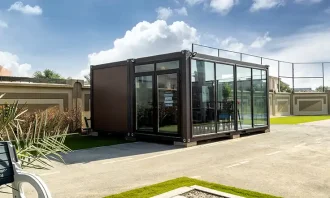
Our installation services are top-notch, delivering modular systems for any application on time in plug & play condition. We leave nothing for you to figure out, set up, or fix. All you’ve to do is just step in, and get going with your business.

Dismantling & Reassembling

We hold a long-term view when we build modular rooms taking into consideration your changing needs. Whether it’s shifting your workspace to a new site, redesigning your unit to fit new requirements, or simply clearing the area at the end of the project, our Dismantling & Reassembling teams are pressed into service to get the job done in the quickest possible time and minimum resource wastage.

Interior Designing

Our interior designs combine both functional and aesthetic aspects to provide you with physical and emotional comfort. We ask you for your preferences and give the best possible solutions aligned to your tastes. Our units are built to be modern, stylish, and elegant.

Bespoke Solutions

We understand that every project is unique and therefore has a different set of requirements. That’s why we believe in customizing our solutions to fit individual needs. We are equipped with the right talents, technology, and skillset to offer bespoke modular units, without compromising on turnaround time or quality.

Aftersales Service

The benefits of choosing Containers ME continues long after the installation of the units as we provide aftersales service for as long as you need. All you have to do is sign the Annual Maintenance Contract (AMC) and enjoy technical support for all the maintenance-related issues. By signing the contract, you can rest assured that a highly professional team of dedicated staff are at your service all year round to attend to your needs.

Customized Container Solutions

We specialize in Customized Container Solutions designed to meet diverse needs across the UAE. Our offerings include customized modular containers that cater to various applications, from tailor-made container solutions to bespoke container designs.

Whether you’re looking for personalized container homes or custom modular containers, we have you covered. Our customized container offices provide functional workspaces, while our customized portable containers ensure flexibility on-site. Explore our range of custom container storage units and customized cargo containers to optimize your space.

We also offer custom container leasing and custom container fabrication services, along with customized sea containers designed for secure transport. For specialized needs, our specialized container modifications will help you create the perfect solution for your requirements in both Dubai and the broader UAE.

Get a quote

Get a quote