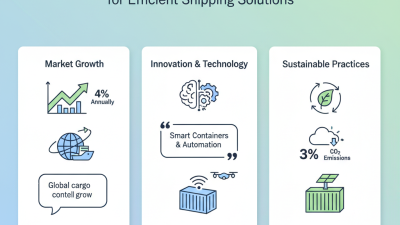
Choosing the right cargo shipping containers is crucial for maximizing efficiency in logistics. According to industry reports, the global cargo container market is projected to reach $10 billion by 2026, reflecting growing demand. With this rise, selecting the appropriate container can greatly affect transportation costs and delivery times.
Container size, material, and type are critical factors. Standard containers range from 20 to 40 feet, but specific needs may require refrigerated or specialized containers. Approximately 90% of global trade is carried by cargo shipping containers, emphasizing their importance in supply chains. However, many businesses overlook essential aspects, leading to inefficient shipping practices.
Understanding your needs is half the battle. The decision process often lacks clarity. For example, how will the container withstand various environments? This question can dictate the container’s longevity and performance. As markets evolve, ensuring you have the right cargo shipping containers can enhance competitiveness and operational success.

Choosing the right cargo shipping container starts with understanding the types available. Containers come in various sizes and specifications. The most common types are standard dry containers, refrigerated containers, and open-top containers.
Standard dry containers are used for general cargo. They are sealed and sturdy, ideal for everyday shipping. Refrigerated containers, or reefers, are crucial for perishable goods. They maintain temperature, ensuring food safety during transit. Open-top containers are used for tall or heavy cargo that cannot fit in a standard container.
Different materials are also worth considering. Steel containers offer durability against harsh environments, while aluminum containers are lighter. Each material has its advantages and drawbacks. Steel is heavier but robust. Aluminum is lightweight but may not withstand all conditions. When deciding, think about the specific cargo needs and shipping routes. Always consider the container's interior dimensions too. An oversized or undersized container can lead to costly delays or damage. Remember, not all containers are created equal. It's essential to assess both the cargo and the conditions it will face during shipping.

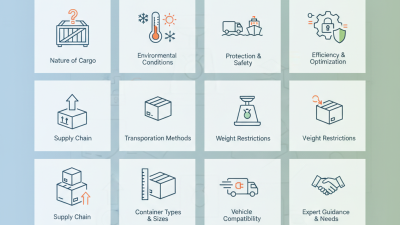
Choosing the right cargo shipping container starts with understanding your specific needs. Assess the type of goods you’re transporting. Are they perishable? Do they require special handling? Identifying these factors is crucial. If you transport sensitive materials, consider temperature-controlled options.
Next, think about capacity and space. How much cargo do you plan to ship? Containers come in various sizes. Some might fit perfectly, while others can be too large or small. This mismatch may lead to increased costs or damaged goods.
Lastly, weigh the importance of security and durability. Containers should withstand harsh conditions. Check the materials and construction. Imperfect containers may lead to issues. Regular inspection ensures reliability. Always reflect on these aspects to make a well-informed decision.
Choosing the right cargo shipping container involves understanding various sizes and specifications. This process can feel overwhelming, especially for newcomers. Containers come in multiple dimensions, including 20-foot and 40-foot options. Understanding your cargo’s size, weight, and volume is crucial. For instance, a 20-foot container can hold about 1,170 cubic feet of cargo.
When selecting a container, consider these key points. Think about what you’ll ship. Will it be heavy machinery or delicate goods? You might need a high-cube container if height is a factor. Equally important is the container's condition. Some containers are used, while others are brand new. Always examine if they meet your shipping standards.
Tips for making the right choice: Measure your items carefully to avoid surprises. Check weight limits, as exceeding them can lead to issues. Also, calculate how many containers you might need for a larger shipment. Understanding these elements can save time and money. Evaluate your options methodically. Reflect on any past shipping experiences to improve your current decisions.
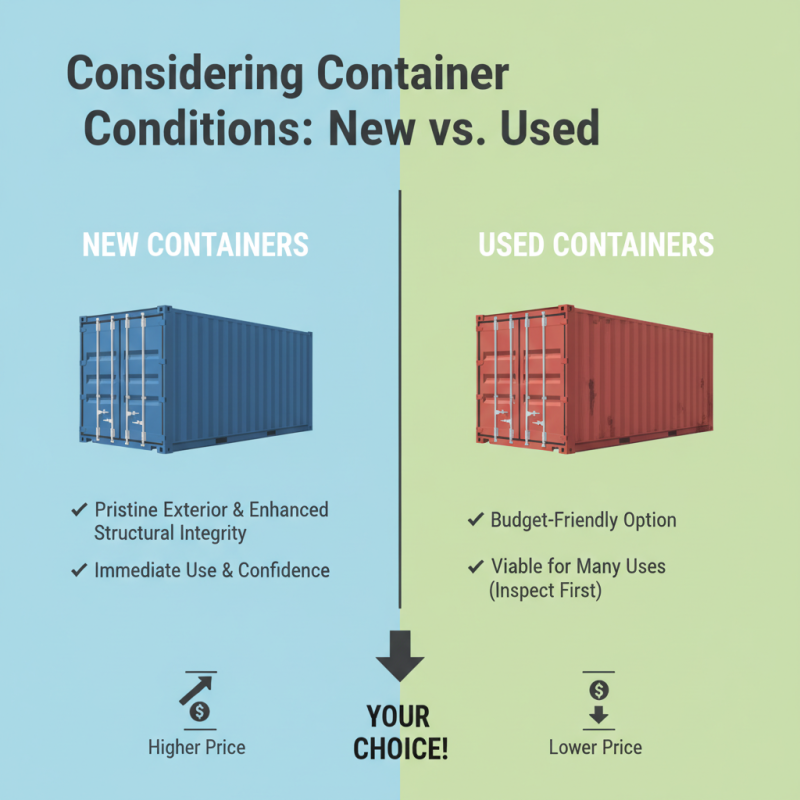
When choosing cargo shipping containers, the condition of the container is critical. New containers often boast a pristine exterior and enhanced structural integrity. These features inspire confidence for immediate use. However, they come at a higher price. If your budget is tight, you might want to consider used containers.
Used containers can offer great value. Many have been retired from previous shipping jobs but remain structurally sound. They may show signs of wear, like rust or dents. Inspect for leaks and check the door functionality. A little wear and tear can be acceptable if the container meets your needs. Moreover, you might find a gem at a reasonable price if you’re patient.
Each option has potential pitfalls. New containers might have limited resale value if demand drops. Older containers can require upkeep. They might not meet all industry standards, especially if you are using them for long-term storage. Weighing these variables carefully will help you make an informed choice.
When budgeting for cargo shipping containers, it’s essential to consider various costs. The average cost of a new shipping container can range from $2,000 to $5,000, depending on size and condition. Used containers are generally cheaper, starting around $1,200, but may require additional maintenance. Accurate budgeting must include transportation fees, which can vary widely. For instance, shipping costs within the U.S. average $1,500 to $3,000, while international shipping can exceed $10,000.
Inspection and modification costs are additional factors. Professional inspections can cost between $100 and $300. Modifications, such as added ventilation or insulation, can add hundreds to thousands of dollars to your initial investment. According to the Container Owners Association, approximately 74% of container owners report unplanned expenses arising from repairs or modifications. This emphasizes the need to allocate a contingency fund.
Ultimately, understanding the total cost of ownership is crucial. It often extends beyond the purchase price. Hidden costs like storage fees, maintenance, and depreciation significantly impact your budget. A detailed financial plan should anticipate these variables for informed decision-making.
| Container Type | Size (ft) | Typical Cost ($) | Best Use Case |
|---|---|---|---|
| Standard Dry Container | 20 | $2,500 | General cargo |
| Standard Dry Container | 40 | $4,500 | General cargo |
| Refrigerated Container | 20 | $3,500 | Perishable goods |
| Refrigerated Container | 40 | $6,500 | Perishable goods |
| Open Top Container | 20 | $3,000 | Overheight cargo |
| Open Top Container | 40 | $5,000 | Overheight cargo |
Subscribe to our newsletter for the latest news and exclusive offers.
We hold a long-term view when we build modular rooms taking into consideration your changing needs. Whether it’s shifting your workspace to a new site, redesigning your unit to fit new requirements, or simply clearing the area at the end of the project, our Dismantling & Reassembling teams are pressed into service to get the job done in the quickest possible time and minimum resource wastage.
We understand that every project is unique and therefore has a different set of requirements. That’s why we believe in customizing our solutions to fit individual needs. We are equipped with the right talents, technology, and skillset to offer bespoke modular units, without compromising on turnaround time or quality.
The benefits of choosing Containers ME continues long after the installation of the units as we provide aftersales service for as long as you need. All you have to do is sign the Annual Maintenance Contract (AMC) and enjoy technical support for all the maintenance-related issues. By signing the contract, you can rest assured that a highly professional team of dedicated staff are at your service all year round to attend to your needs.
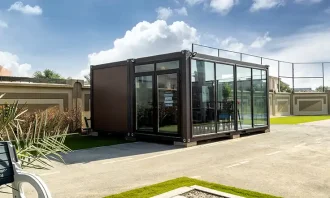
We specialize in Customized Container Solutions designed to meet diverse needs across the UAE. Our offerings include customized modular containers that cater to various applications, from tailor-made container solutions to bespoke container designs.
Whether you’re looking for personalized container homes or custom modular containers, we have you covered. Our customized container offices provide functional workspaces, while our customized portable containers ensure flexibility on-site. Explore our range of custom container storage units and customized cargo containers to optimize your space.
We also offer custom container leasing and custom container fabrication services, along with customized sea containers designed for secure transport. For specialized needs, our specialized container modifications will help you create the perfect solution for your requirements in both Dubai and the broader UAE.