Blogs

How to Choose Sustainable Cellulose Solutions for Your Business?

Choosing the right sustainable solutions is crucial for businesses today. The rise of Sustainable Cellulose Solutions offers innovative opportunities. Experts like Dr. Emily Harper, a leading authority in sustainable materials, emphasizes, "Sustainable Cellulose Solutions can transform industries, but discernment is vital."

As businesses strive to reduce their environmental footprint, selecting the right cellulose solutions can be daunting. These materials come from renewable sources, yet their effectiveness varies. Careful consideration of sourcing, production practices, and end-of-life impacts is essential. Many companies may overlook these factors, leading to unintended consequences.

Understanding the nuances of Sustainability Cellulose Solutions is imperative. For instance, while one product may seem eco-friendly, its production process may harm local ecosystems. Businesses must ask tough questions and critically assess their choices. Ultimately, informed decision-making can create a positive impact and foster long-term sustainability.

How to Choose Sustainable Cellulose Solutions for Your Business?

Understanding Sustainable Cellulose: What It Means for Businesses

Sustainable cellulose is becoming increasingly important for businesses. It encompasses materials derived from plants, which can be processed into various products. Understanding what sustainable cellulose means is crucial for companies aiming for eco-friendly practices. The environmental impact of cellulose production varies. Sustainable methods often require less water and energy, making them more attractive.

When choosing cellulose solutions, businesses should consider sourcing practices. Look for suppliers committed to responsible forestry and production processes. This not only supports sustainability but also enhances a company's image. Transparency is vital; manufacturers must disclose their supply chain practices. However, not all claims are genuine. Verifying a supplier's certifications can be challenging but necessary.

Adopting sustainable cellulose can involve some trade-offs. Costs may be higher than conventional materials. However, the long-term benefits can offset initial expenses. Businesses should assess their priorities and values. It might be wise to embrace a gradual transition to sustainable practices instead of an overnight shift. This approach allows for adjustments and improvements along the way.

Identifying Your Business Needs for Cellulose Solutions

Choosing the right cellulose solutions for your business starts with understanding your unique needs. Whether you require sustainable packaging, textiles, or paper products, clarity in your goals is essential. Consider the environmental impact of your choices. Sustainable cellulose can significantly reduce waste and promote a circular economy.

Tips: Identify specific applications for cellulose. Will it be used in consumer products or industrial applications? Knowing this can guide your selection. Research the sourcing of materials. Sustainable sourcing ensures that your cellulose solutions are not only effective but also environmentally friendly.

Evaluate the properties you need. Different cellulose types offer varying attributes, such as durability or biodegradability. This reflection allows you to align the functionalities with your business goals. For example, heavy-duty applications may need sturdier materials, while biodegradable options suit eco-conscious branding.

It's crucial to scrutinize your suppliers too. Look for certifications and industry standards that reflect reliability. Collaborating with experts in the field can provide valuable insights. Sustainable cellulose solutions can enhance your brand but only if selected with care.

Evaluating the Environmental Impact of Cellulose Products

Evaluating the environmental impact of cellulose products involves understanding their lifecycle. Cellulose, a natural polymer from plant sources, is biodegradable. However, the sources and manufacturing processes can vary greatly. A 2021 report by the Ellen MacArthur Foundation highlighted that while cellulose can be more sustainable than synthetic alternatives, sourcing practices must be scrutinized.

Research indicates that processing methods significantly affect emissions. For instance, the pulp and paper industry contributes about 1.5% of global carbon dioxide emissions. This figure underscores the importance of selecting cellulose products from renewable sources with lower processing emissions. Lifecycle assessments (LCAs) help identify these differences, guiding businesses toward more sustainable choices.

It’s also crucial to consider end-of-life disposal. Some cellulose products degrade well, while others may release harmful substances. According to a 2022 study from the Journal of Cleaner Production, improper disposal could negate cellulose's environmental benefits. This highlights the need for businesses to not only select sustainable cellulose solutions but also promote responsible disposal practices.

Environmental Impact of Different Cellulose Solutions

Comparing Different Sources of Sustainable Cellulose

When evaluating sustainable cellulose sources, it's essential to consider the various options available. Different fibers provide distinct environmental benefits and challenges. For instance, wood pulp is a common cellulose source. Forestry practices affect its sustainability, with certified sources usually yielding better environmental results. A recent study indicates that sustainably managed forests can sequester around 30% more carbon than unmanaged ones.

Another viable option is agricultural residues, like straw and corn husks. These byproducts reduce waste and lower carbon footprints. Reports show that using agricultural waste for cellulose production can decrease greenhouse gas emissions by up to 70% compared to virgin materials. However, sourcing may be inconsistent, which can complicate supply chains.

Recycled cellulose presents additional promise. It reduces the need for virgin materials while diminishing waste. Some studies highlight that producing recycled cellulose can consume 50% less energy than new pulp production. However, the quality of recycled materials can vary significantly, necessitating thorough assessments. Sustainable choices in cellulose sourcing require careful consideration of these complexities.

Implementing Sustainable Practices in Your Supply Chain

Implementing sustainable practices in your supply chain is critical for long-term success. Start by assessing your current materials. Identify sources that prioritize sustainable cellulose options. Consider factors such as renewability, sourcing transparency, and the environmental impact of production methods. Engaging with suppliers who uphold ethical practices can enhance your brand's reputation.

It's essential to create a partnership with suppliers committed to sustainability. Regular audits can help monitor practices and ensure compliance. Transparency is vital—companies need to communicate the origins of their materials clearly. Recognize that achieving complete sustainability is challenging. There may be gaps in supply chains that require continuous improvement.

Consider the entire lifecycle of products. This includes production, use, and disposal. Empower your team to make informed decisions about materials. Investing in training can deepen understanding of sustainability principles. Ultimately, aligning your supply chain with sustainable practices may require reevaluation and adaptation over time. Encourage innovation and welcome feedback. This approach fosters a culture of responsibility and continuous growth.

How to Choose Sustainable Cellulose Solutions for Your Business?

Criteria Options Sustainability Score Notes
Source of Cellulose FSC Certified Trees 9/10 Sourced from responsibly managed forests.
Production Process Chemical-Free Processing 10/10 Environmental impact is minimized.
End-of-Life Options Compostable 8/10 Can break down naturally in composting facilities.
Carbon Footprint Low Carbon Emission Products 7/10 Contributes to reduced greenhouse gas emissions.
Corporate Social Responsibility Community Engagement Programs 9/10 Supports local communities and sustainable practices.

Plug & Play Installation

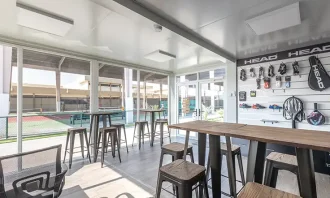
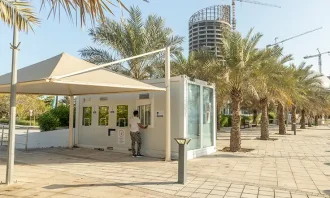
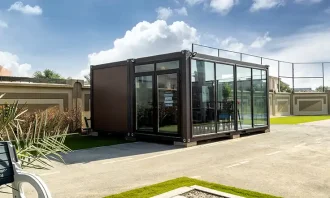
Our installation services are top-notch, delivering modular systems for any application on time in plug & play condition. We leave nothing for you to figure out, set up, or fix. All you’ve to do is just step in, and get going with your business.

Dismantling & Reassembling

We hold a long-term view when we build modular rooms taking into consideration your changing needs. Whether it’s shifting your workspace to a new site, redesigning your unit to fit new requirements, or simply clearing the area at the end of the project, our Dismantling & Reassembling teams are pressed into service to get the job done in the quickest possible time and minimum resource wastage.

Interior Designing

Our interior designs combine both functional and aesthetic aspects to provide you with physical and emotional comfort. We ask you for your preferences and give the best possible solutions aligned to your tastes. Our units are built to be modern, stylish, and elegant.

Bespoke Solutions

We understand that every project is unique and therefore has a different set of requirements. That’s why we believe in customizing our solutions to fit individual needs. We are equipped with the right talents, technology, and skillset to offer bespoke modular units, without compromising on turnaround time or quality.

Aftersales Service

The benefits of choosing Containers ME continues long after the installation of the units as we provide aftersales service for as long as you need. All you have to do is sign the Annual Maintenance Contract (AMC) and enjoy technical support for all the maintenance-related issues. By signing the contract, you can rest assured that a highly professional team of dedicated staff are at your service all year round to attend to your needs.

Customized Container Solutions

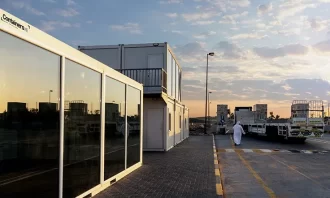
We specialize in Customized Container Solutions designed to meet diverse needs across the UAE. Our offerings include customized modular containers that cater to various applications, from tailor-made container solutions to bespoke container designs.

Whether you’re looking for personalized container homes or custom modular containers, we have you covered. Our customized container offices provide functional workspaces, while our customized portable containers ensure flexibility on-site. Explore our range of custom container storage units and customized cargo containers to optimize your space.

We also offer custom container leasing and custom container fabrication services, along with customized sea containers designed for secure transport. For specialized needs, our specialized container modifications will help you create the perfect solution for your requirements in both Dubai and the broader UAE.

Get a quote

Get a quote