Choosing the right Solar Power Cable is crucial for the efficiency and safety of your solar energy system. With a variety of options available, it’s easy to feel overwhelmed. The right cable can enhance performance. A poor choice may lead to energy losses and potential hazards.
Consider factors like cable thickness, insulation, and temperature ratings. These elements significantly impact the longevity and reliability of your solar installation. The Solar Power Cable must withstand outdoor elements and high voltage. This requirement adds complexity to your selection process.
While many brands claim superiority, your needs are unique. You might find suitable options that lack certain certifications. Analyze your specific requirements carefully. The goal is a sustainable and efficient solar solution that doesn't compromise safety. This decision deserves meticulous thought and research. Embrace the challenges.
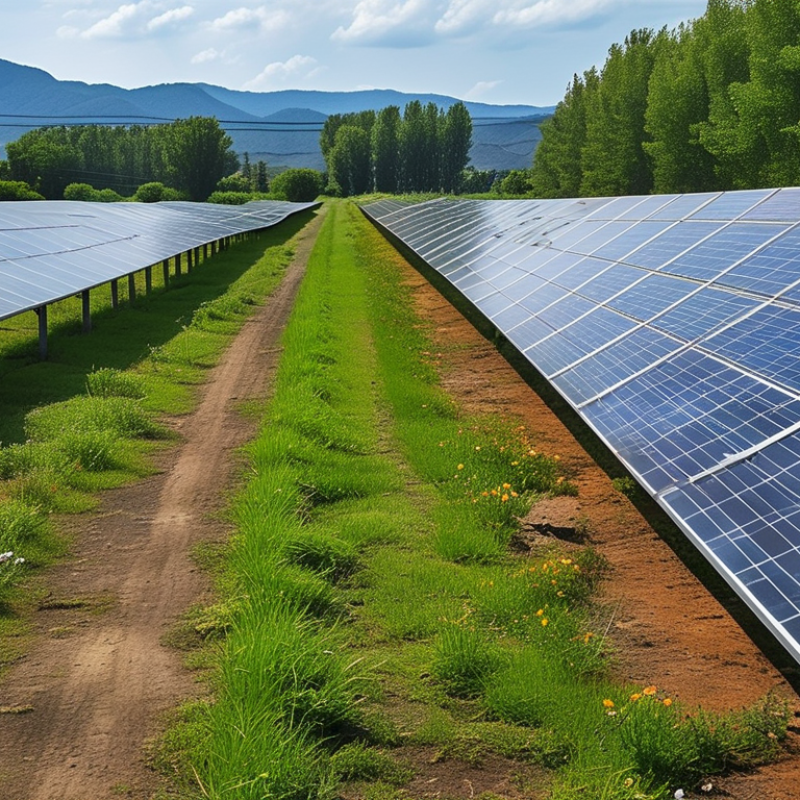
When choosing the right solar power cables, understanding the different types and their applications is crucial. Solar cables generally come in two types: direct current (DC) cables and alternating current (AC) cables. DC cables connect solar panels to inverters, while AC cables link the inverter to the electrical grid.
Consider the environment where the cables will be installed. UV exposure can damage cables over time. Opt for cables with UV-resistant insulation. Besides durability, ensure the cables meet international standards for voltage ratings. Not all cables are built to handle extreme temperatures. Check the temperature ratings before making a choice.
Tips: Choose thicker cables for longer distances. This can reduce power loss. Regularly inspect cables for any signs of wear or damage. Don't overlook the connections; they must be secure to ensure safety. Be mindful; even a small fault in installation can lead to significant issues later on. Your setup's efficiency depends on proper cable selection and installation.
Choosing the right solar power cable is crucial for efficiency and safety. Voltage rating and current carrying capacity are two key specifications to assess. The voltage rating indicates the maximum voltage the cable can safely handle. It’s important to choose cables rated above your system's voltage to prevent overheating or insulation failure.
Current carrying capacity is equally important. It specifies how much current the cable can carry without excessive heat. This is often influenced by the cable size and material. A thicker cable can carry more current, but it may be bulkier and less flexible. You need a balance between capacity and practical use.
Reflect on your specific needs. Consider factors such as installation environment and expected power generation. Overestimating requirements may lead to unnecessary costs. Yet, underestimating could cause safety hazards. Understanding these specifications enhances the reliability of your solar power system. Additionally, seeking advice from industry experts can provide insights tailored to your situation.
When selecting a solar power cable, environmental resistance is essential. Cables are exposed to UV rays, water, and varying temperatures. This exposure can degrade materials and compromise performance over time. Using cables with UV resistance prevents damage from prolonged sunlight exposure. That degradation can lead to increased maintenance and replacement costs.
Water resistance is another critical factor. Outdoor installations are often subjected to rain, snow, and humidity. These conditions can cause corrosion and weaken electrical connections. Choosing cables with excellent water-resistant properties ensures longevity and reliability in adverse weather. This resilience minimizes risks of power loss and enhances overall system efficiency.
Temperature fluctuations also play a significant role in cable performance. In extreme heat, some materials may expand and lose integrity. In colder temperatures, they can become brittle. It's crucial to assess the operating temperature range of any cable. Many users overlook these details. Evaluating environmental conditions can lead to better decisions and improved system reliability over time.
When choosing a solar power cable, the insulation material plays a crucial role in ensuring both durability and safety. A polymer-based insulation, such as XLPE (cross-linked polyethylene), is widely recommended due to its excellent resistance to heat and moisture. According to a recent report by the International Energy Agency, using high-quality insulation can improve cable lifespan by up to 30%. This statistic highlights the importance of selecting the right materials.
It's essential to consider the operating environment of the cables. For instance, cables exposed to UV light should have UV-resistant insulation. Many manufacturers now offer cables tailored for various climates and applications. A study published in the Journal of Renewable Energy Research noted that using weather-resistant materials can reduce performance degradation caused by environmental factors. However, some cables may still suffer from premature failure or performance loss, indicating the need for careful inspection and maintenance.
Cost is another factor to weigh. While high-quality insulation might seem more expensive upfront, the long-term savings in maintenance and replacement can be significant. A carefully chosen solar power cable not only enhances the system's efficiency but also promotes safety, reducing risks of electrical fires or failures. Balancing initial costs with potential benefits demands thoughtful consideration and expertise in material science.
When installing solar power systems, proper sizing and connection techniques are crucial. Choosing the right cable size is fundamental. It ensures optimal performance and energy efficiency. Incorrect sizing might lead to energy losses. Always refer to the ampacity charts suitable for the solar installation. Consider the distance between the panels and inverter. This distance affects voltage drop, which can impact system performance.
Connection techniques also play a crucial role. Ensure that all connections are tight and secure. Loose connections may cause overheating, leading to failures. Use appropriate connectors that suit your cable type. Double-check polarization to avoid reversing polarity, which can damage components. It’s also wise to protect your cables from environmental factors. UV exposure and moisture can degrade cable integrity over time.
During installation, double-check each step. Avoid rushing, as mistakes can be costly. If you're unsure about sizing, consult with a professional. Remember, enhancing performance requires attention to detail. Reflect on past installations to identify areas for improvement. Every experience builds your understanding of solar systems.
Subscribe to our newsletter for the latest news and exclusive offers.
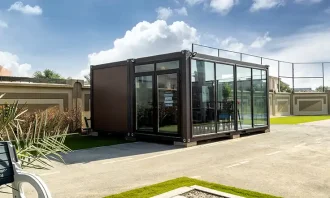
We hold a long-term view when we build modular rooms taking into consideration your changing needs. Whether it’s shifting your workspace to a new site, redesigning your unit to fit new requirements, or simply clearing the area at the end of the project, our Dismantling & Reassembling teams are pressed into service to get the job done in the quickest possible time and minimum resource wastage.
We understand that every project is unique and therefore has a different set of requirements. That’s why we believe in customizing our solutions to fit individual needs. We are equipped with the right talents, technology, and skillset to offer bespoke modular units, without compromising on turnaround time or quality.
The benefits of choosing Containers ME continues long after the installation of the units as we provide aftersales service for as long as you need. All you have to do is sign the Annual Maintenance Contract (AMC) and enjoy technical support for all the maintenance-related issues. By signing the contract, you can rest assured that a highly professional team of dedicated staff are at your service all year round to attend to your needs.
We specialize in Customized Container Solutions designed to meet diverse needs across the UAE. Our offerings include customized modular containers that cater to various applications, from tailor-made container solutions to bespoke container designs.
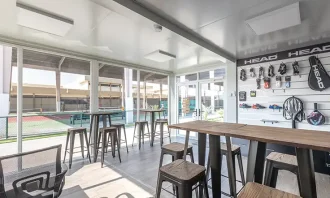
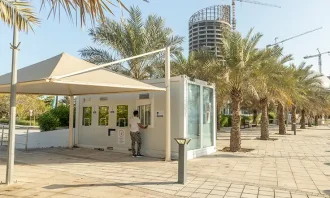
Whether you’re looking for personalized container homes or custom modular containers, we have you covered. Our customized container offices provide functional workspaces, while our customized portable containers ensure flexibility on-site. Explore our range of custom container storage units and customized cargo containers to optimize your space.
We also offer custom container leasing and custom container fabrication services, along with customized sea containers designed for secure transport. For specialized needs, our specialized container modifications will help you create the perfect solution for your requirements in both Dubai and the broader UAE.