Blogs

How to Choose the Best Wind Turbine for Your Business?

Choosing the best wind turbine for your business can be a daunting task. With many options available, it is essential to understand the specific needs of your enterprise. A well-selected wind turbine can significantly impact energy costs and sustainability practices.

Each business has unique energy requirements. The size, location, and type of wind turbine play a critical role in efficiency and effectiveness. Consider factors like wind speed and local regulations. It’s crucial to conduct thorough research before committing to a purchase.

Many companies underestimate installation and maintenance costs. These factors can affect long-term savings and performance. Seek expert consultation to avoid common pitfalls. A reliable wind turbine not only generates power but also reflects your commitment to green energy. Reflecting on possible shortcomings in your choice can guide better decisions in the future. Making informed choices will ultimately lead to sustainable growth and operational efficiency.

How to Choose the Best Wind Turbine for Your Business?

Understanding Your Energy Needs for Wind Turbine Selection

Understanding your energy needs is crucial when selecting a wind turbine. Start by evaluating your current energy consumption. Look at your recent energy bills to establish your average usage. This will guide you in determining the turbine size necessary for your business.

Consider seasonal fluctuations in energy needs. Some businesses have varying demands throughout the year. Identifying peak usage times can help you choose a turbine that ensures reliable energy supply. Additionally, think about future growth. If you plan to expand, factor in potential increases in energy needs.

Finally, assess the site where the turbine will be installed. Wind patterns, speed, and consistency play significant roles in turbine performance. Not all locations are ideal for wind energy. Engage with wind energy experts to analyze the site. Their insights can illuminate overlooked factors that may impact your decision.
Evaluating Different Types of Wind Turbines for Business Applications

Choosing the right wind turbine for your business involves careful evaluation. Different turbine types cater to various needs. Horizontal-axis turbines are commonly used for large-scale operations, offering high efficiency. They can generate significant power, though their installation requires ample space.

Vertical-axis turbines present a compact alternative. They can operate in turbulent winds, making them suitable for urban settings. Their design minimizes noise and aesthetic concerns. However, they may not generate as much energy as their horizontal counterparts.

Consider your local wind conditions, space availability, and energy needs. Conduct site assessments to determine wind patterns. It's also wise to consult experts. Their insights can clarify which technology fits best. Reflect on your energy goals and budget. Balancing these factors ensures a more meaningful investment in wind energy.

Wind Turbine Types for Business Applications

Assessing Site Conditions and Wind Resources for Optimal Turbine Placement

Selecting the right wind turbine starts with understanding your site conditions and wind resources. Accurate assessments will lead to optimal turbine placement. Wind speed and consistency are critical factors. A study by the National Renewable Energy Laboratory indicates that wind speeds above 5 meters per second are ideal for turbine efficiency. Gathering local wind data is essential. Utilize anemometers for precise measurements over an extended period.

The landscape impacts wind flow significantly. Obstacles like buildings or trees can create turbulence and reduce energy output. Conducting a site analysis helps identify the best locations. This analysis should cover topography, proximity to the grid, and environmental constraints. Regions with fewer obstructions and higher average wind speeds generally yield better results.

Remember, not every site is suitable for a wind turbine. Even with ideal wind data, factors like zoning laws or ecological concerns may limit your options. Balancing these elements is crucial. Future assessments may reveal new challenges, so staying updated on local regulations and technologies will enhance decision-making. Engaging with wind energy consultants can provide valuable insights, helping to navigate these complexities effectively.

Calculating Return on Investment and Long-Term Savings with Wind Energy

Investing in wind energy can yield significant long-term savings for businesses. According to the U.S. Department of Energy, the levelized cost of energy from wind decreased by 70% from 2009 to 2021. This dramatic drop makes wind energy an attractive option for many companies. For instance, a medium-sized wind turbine can reduce annual energy costs by up to 90%. Such savings boost profitability and can enhance cash flow.

Calculating return on investment (ROI) involves several factors. Businesses should estimate installation costs, maintenance expenses, and federal tax incentives. A well-maintained wind turbine can have a lifespan of over 20 years, providing reliable energy during its operational life. In some regions, the ROI can be recouped within five to seven years. While wind energy has great potential, site assessment is crucial. Poor siting choices can lead to insufficient energy generation, thereby affecting financial projections.

Many companies neglect to factor in energy price volatility. Wind energy offers a hedge against rising fossil fuel prices, helping stabilize budgets. Yet, the impact of local regulations and permitting processes can complicate planning. Businesses must stay informed about changes in policy and technology. Engaging with industry experts can provide valuable insights. This ensures more informed decisions regarding wind turbine investments, which can ultimately lead to sustainable growth and financial success.

Navigating Regulations and Incentives for Installing Wind Turbines in Business

When considering wind turbines for your business, it’s crucial to understand the regulations and incentives that can affect your investment. In many regions, governments provide tax credits or rebates. For instance, the U.S. Department of Energy reported that businesses could save up to 30% of installation costs through federal incentives. This makes wind energy not just sustainable, but also financially viable.

Understanding local regulations is essential. Depending on your area, you may face different zoning laws or permitting requirements. These can vary widely and may delay your project. Some businesses find it beneficial to consult with local energy authorities early in the process. This can help identify potential hurdles and streamline the installation.

**Tips:** Research state-specific incentives that are available for renewable energy projects. Evaluate local utility programs that could support your transition to wind energy. Engage with industry experts who can offer tailored advice based on your business needs. Regularly revisit these regulations, as they can change, affecting your investment’s viability.

How to Choose the Best Wind Turbine for Your Business? - Navigating Regulations and Incentives for Installing Wind Turbines in Business

Feature Description Regulations Incentives
Turbine Type Horizontal Axis Wind Turbines (HAWT) are more common for commercial use due to their efficiency. Local zoning laws may dictate where turbines can be placed. Federal tax credits up to 26% available for commercial wind projects.
Capacity Turbines range from small (10 kW) to large (5 MW), choose based on energy needs. Certain thresholds may trigger additional regulatory scrutiny. State rebates may be available for renewable energy installations.
Location Evaluate wind resource and land availability for ideal installation. Environmental assessments may be required depending on location. Grants available in certain regions for clean energy projects.
Installation Cost Costs vary significantly based on turbine size and installation complexity. Permitting costs vary by jurisdiction. Availability of low-interest loans for renewable energy projects.
Maintenance Regular maintenance enhances lifespan; budget for ongoing costs. Maintenance schedules may be mandated by local regulations. Tax deductions available for maintenance and operations expenses.

Plug & Play Installation

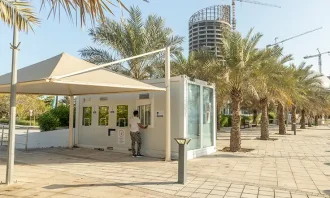
Our installation services are top-notch, delivering modular systems for any application on time in plug & play condition. We leave nothing for you to figure out, set up, or fix. All you’ve to do is just step in, and get going with your business.

Dismantling & Reassembling

We hold a long-term view when we build modular rooms taking into consideration your changing needs. Whether it’s shifting your workspace to a new site, redesigning your unit to fit new requirements, or simply clearing the area at the end of the project, our Dismantling & Reassembling teams are pressed into service to get the job done in the quickest possible time and minimum resource wastage.

Interior Designing

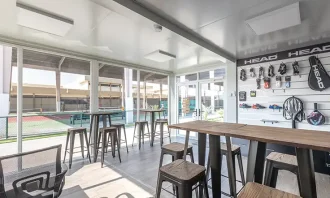
Our interior designs combine both functional and aesthetic aspects to provide you with physical and emotional comfort. We ask you for your preferences and give the best possible solutions aligned to your tastes. Our units are built to be modern, stylish, and elegant.

Bespoke Solutions

We understand that every project is unique and therefore has a different set of requirements. That’s why we believe in customizing our solutions to fit individual needs. We are equipped with the right talents, technology, and skillset to offer bespoke modular units, without compromising on turnaround time or quality.

Aftersales Service

The benefits of choosing Containers ME continues long after the installation of the units as we provide aftersales service for as long as you need. All you have to do is sign the Annual Maintenance Contract (AMC) and enjoy technical support for all the maintenance-related issues. By signing the contract, you can rest assured that a highly professional team of dedicated staff are at your service all year round to attend to your needs.

Customized Container Solutions

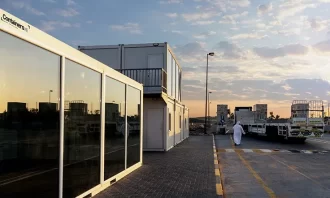
We specialize in Customized Container Solutions designed to meet diverse needs across the UAE. Our offerings include customized modular containers that cater to various applications, from tailor-made container solutions to bespoke container designs.

Whether you’re looking for personalized container homes or custom modular containers, we have you covered. Our customized container offices provide functional workspaces, while our customized portable containers ensure flexibility on-site. Explore our range of custom container storage units and customized cargo containers to optimize your space.

We also offer custom container leasing and custom container fabrication services, along with customized sea containers designed for secure transport. For specialized needs, our specialized container modifications will help you create the perfect solution for your requirements in both Dubai and the broader UAE.

Get a quote

Get a quote