Blogs

How to Choose Carbon Steel Mesh in 2026?

Choosing Carbon Steel Mesh in 2026 starts with the job, not the catalogue photograph. A fine mesh for screening needs different openings and wire thicknesses from a welded panel supporting a barrier or machine guard. Measure the aperture, wire diameter, panel size, and expected load. Then consider moisture, abrasion, and whether the mesh will be painted, galvanized, or left untreated. Small details matter.

Market data gives useful context, but it cannot select a mesh for you. World Steel Association’s World Steel in Figures 2025 reports global crude steel production of 1,882.6 million tonnes in 2024. Its October 2024 Short Range Outlook also forecast global steel demand at about 1.77 billion tonnes in 2025. These figures describe a large, active supply chain—not the quality of any particular mesh or supplier. Ask for a current specification, material grade, dimensional tolerances, and inspection records. For welded products, confirm that the stated construction matches the intended load and use; do not assume every mesh meets the same requirements. A certificate helps, but it does not replace checking the delivered panel. The gap remains. Even a careful specification can miss real site conditions, especially corrosion or impact exposure. This guide explains the practical checks behind choosing Carbon Steel Mesh in 2026, while flagging where a project engineer or supplier should verify the details.
How to Choose Carbon Steel Mesh in 2026?

Define Carbon Steel Mesh and Its Common Forms

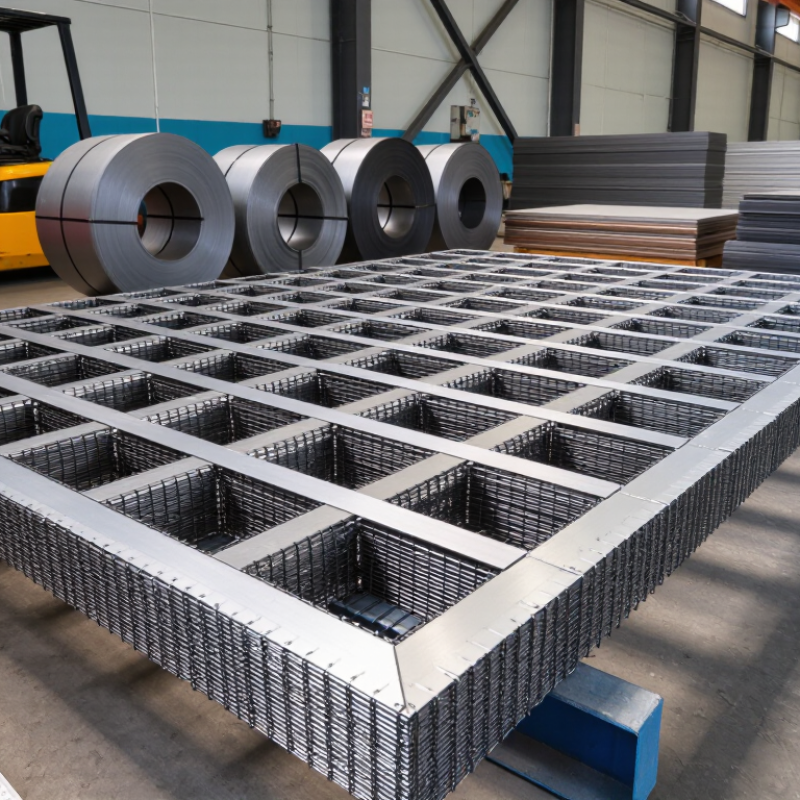
Carbon steel mesh is a grid made from carbon-steel wires or slotted sheet, with regular openings. Its performance depends on wire thickness, opening size, and finish. Welded mesh joins wires at each crossing, producing sturdy square or rectangular panels. Woven mesh interlaces wires like cloth, offering more flexibility and often finer openings. Expanded metal is cut and stretched from one sheet into diamond-shaped openings. No separate wire joints. Each form handles loads and shaping differently.

Plain carbon steel can rust in damp or outdoor conditions, so consider the working environment and surface finish. Galvanizing or painting can help resist corrosion, but the coating must suit abrasion, heat, and exposure. Check the specified opening size carefully; a small change can affect screening or airflow. A tidy drawing can still hide a mismatch with the material being screened. That detail is easy to miss.

Tips: Compare a sample with your intended use. Check cut edges, wire diameter, and opening size before ordering. Ask how the finish is applied, especially if the mesh will be cut on site.
Identify the Application and Operating Conditions

Choosing carbon steel mesh starts with the job it must perform. A screen separating coarse particles needs different openings from mesh supporting a load or guarding equipment. Note the material being handled, particle size, and required flow. A 2 mm opening may suit one process but clog quickly with damp, fibrous material.

Operating conditions matter just as much. Record normal and peak temperatures, moisture, exposure to chemicals, vibration, and abrasive contact. Carbon steel can rust in humid or wet environments, so consider whether a protective finish is appropriate. Check that the finish will not interfere with airflow, cleaning, or the process itself. Measure the installation space, too; a mesh that fits on paper may need extra support under real loads. These details are easy to overlook.

Tips: Ask suppliers for opening size, wire diameter, and load data, then compare them with your actual conditions. If possible, test a small sample in the intended setup. Keep notes on clogging, wear, and corrosion during the trial. I’ve seen specifications look convincing until cleaning reveals a weak spot. There may not be one perfect choice; a finer mesh can improve separation while reducing flow, and that trade-off deserves a practical check.

Compare Wire Diameter, Mesh Opening, Weave, and Finish

When choosing carbon steel mesh in 2026, match wire diameter to the load and handling conditions. Thicker wire usually resists bending better, but it also adds weight and can reduce open area. For a screen that must pass fine particles, compare the stated opening size with the wire diameter, not just the mesh count. A 1 mm opening behaves very differently from a 1 mm wire. Check whether dimensions refer to clear openings or center-to-center spacing; specifications can be unclear.

Weave affects both stability and flow. Plain weave is a practical choice for many general screens, while heavier applications may need a more rigid construction. Ask for a sample when the mesh will be cut, formed, or exposed to vibration. Small differences show up fast. Finish matters, too: an untreated surface may suit dry indoor use, while a protective coating can help in damp settings. Coatings may wear at cut edges, though. That detail is easy to miss. Compare coating coverage, storage conditions, and maintenance needs, then test a small piece in the real environment before ordering a full batch.

How to Choose Carbon Steel Mesh in 2026?

Compare wire diameter, mesh opening, weave, and finish using three illustrative plain-weave specifications.

The examples show the trade-off between opening size and wire thickness. Open area is an idealized estimate for square plain weave, calculated as (opening ÷ (opening + wire diameter))² × 100; actual products can vary with manufacturing tolerances.

Example Approx. openings per inch Weave and finish considerations
Fine separation 33.9 Plain weave offers a regular opening pattern. Plain or lightly oiled finish is common where further coating or processing is planned.
General screening 9.1 Plain weave is a straightforward general-purpose option. Consider galvanized mesh when added corrosion protection is needed.
Coarse screening 3.9 Heavier wire can provide a more robust screen. Match the finish to exposure conditions; coating choice does not replace application-specific corrosion review.

Mesh count is approximate and calculated from the wire diameter plus opening across one inch. Confirm aperture, wire tolerance, weave, and finish with the supplier before specifying a mesh.

Assess Strength, Corrosion Resistance, and Standards

How to Choose Carbon Steel Mesh in 2026?

Assess Strength, Corrosion Resistance, and Standards

Start with the load, opening size, and service environment. A mesh panel carrying light screening loads needs different wire diameters from one supporting repeated mechanical impact. Check wire diameter, weave, aperture, and panel support together; a thicker wire alone does not guarantee a stronger assembly. Request material certificates and test results, and confirm the supplier’s stated properties apply to the finished mesh.

Corrosion protection matters outdoors, near moisture, or where chemicals are present. The NACE IMPACT study estimated global corrosion costs at US$2.5 trillion annually, or 3.4% of global GDP, and identified potential savings of 15–35% through corrosion-control practices. That figure is broad, not a mesh-specific forecast. Compare bare steel with suitable zinc coatings, and inspect cut edges and welds, where protection can be compromised. ASTM A641/A641M addresses zinc-coated carbon steel wire; verify that the specified coating suits your exposure.

Use standards to make comparisons meaningful. ASTM E2016 covers industrial woven wire cloth, while ISO 9044 sets technical requirements for industrial woven wire cloth. Confirm the mesh type falls within the chosen standard’s scope. Then check tolerances, coating requirements, and inspection records—not just a standard number on a quotation. Details matter. A specification can still leave gaps, so clarify test methods and acceptance limits before ordering.

Verify Supplier Quality and Confirm the Final Specification

How to Choose Carbon Steel Mesh in 2026?

Choosing carbon steel mesh starts with the job it must perform. A screen for sorting dry material needs different openings from a panel supporting a load. Ask suppliers to state wire diameter, aperture size, weave or weld pattern, and dimensional tolerances in writing. “Standard mesh” is not a complete specification. Small details matter. Confirm whether the mesh is bare, painted, or galvanized, since finish affects handling and service conditions. Request a current material certificate and a sample when consistency matters.

Tips: Compare sample measurements with the drawing. Check several openings, not just one. Ask how the supplier controls wire diameter and weld spacing. Keep the approved sample for reference.

Before ordering, verify quality records and inspection practices. Ask what checks are performed on finished rolls or panels, and how defects are documented. A clear inspection report should identify the batch and measured results. Do not guess. It is easy to overlook edge condition, roll width, or packaging until delivery, when corrections become costly. Put these details on the purchase specification, including acceptable tolerances and labeling. If a supplier cannot confirm a requirement, revise the specification or resolve the gap before production. A rushed approval can leave both sides interpreting the same drawing differently.

Plug & Play Installation

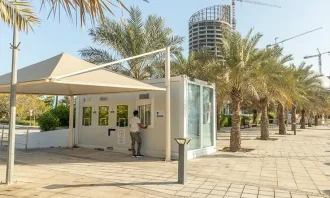
Our installation services are top-notch, delivering modular systems for any application on time in plug & play condition. We leave nothing for you to figure out, set up, or fix. All you’ve to do is just step in, and get going with your business.

Dismantling & Reassembling

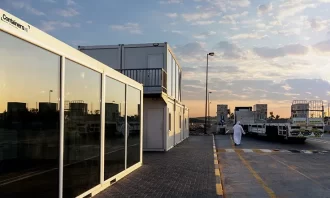
We hold a long-term view when we build modular rooms taking into consideration your changing needs. Whether it’s shifting your workspace to a new site, redesigning your unit to fit new requirements, or simply clearing the area at the end of the project, our Dismantling & Reassembling teams are pressed into service to get the job done in the quickest possible time and minimum resource wastage.

Interior Designing

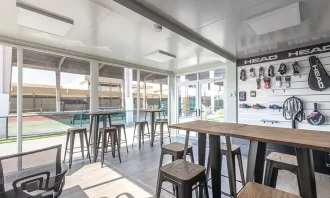
Our interior designs combine both functional and aesthetic aspects to provide you with physical and emotional comfort. We ask you for your preferences and give the best possible solutions aligned to your tastes. Our units are built to be modern, stylish, and elegant.

Bespoke Solutions

We understand that every project is unique and therefore has a different set of requirements. That’s why we believe in customizing our solutions to fit individual needs. We are equipped with the right talents, technology, and skillset to offer bespoke modular units, without compromising on turnaround time or quality.

Aftersales Service

The benefits of choosing Containers ME continues long after the installation of the units as we provide aftersales service for as long as you need. All you have to do is sign the Annual Maintenance Contract (AMC) and enjoy technical support for all the maintenance-related issues. By signing the contract, you can rest assured that a highly professional team of dedicated staff are at your service all year round to attend to your needs.

Customized Container Solutions

We specialize in Customized Container Solutions designed to meet diverse needs across the UAE. Our offerings include customized modular containers that cater to various applications, from tailor-made container solutions to bespoke container designs.

Whether you’re looking for personalized container homes or custom modular containers, we have you covered. Our customized container offices provide functional workspaces, while our customized portable containers ensure flexibility on-site. Explore our range of custom container storage units and customized cargo containers to optimize your space.

We also offer custom container leasing and custom container fabrication services, along with customized sea containers designed for secure transport. For specialized needs, our specialized container modifications will help you create the perfect solution for your requirements in both Dubai and the broader UAE.

Get a quote

Get a quote