Choosing the right transport containers in 2026 requires more than comparing prices and dimensions. The container must protect products during loading, storage, road travel, and repeated handling. A fragile medical device, fresh produce, and industrial components need different protection. Temperature, humidity, vibration, stacking pressure, and cleaning requirements all influence the decision. Small details matter.
Experienced logistics teams usually begin with the product, not the container catalogue. Measure the item, including its packaging and required clearance. Then examine the route, handling equipment, and expected transit time. Reusable plastic crates may suit frequent distribution, while insulated containers can help maintain stable temperatures. Heavy-duty cases offer stronger impact protection, but they may increase weight and transport costs. Sustainability also deserves practical attention. A container that lasts for hundreds of cycles may create less waste than disposable packaging, but only if return logistics work efficiently.
Reliable selection depends on evidence. Review manufacturer specifications, independent test results, load ratings, and cleaning instructions. Ask how performance changes after repeated use. Do not rely on attractive claims alone. Real-world trials often reveal weak closures, awkward handles, or poor drainage. That lesson is easy to overlook. In 2026, smart tracking features may improve visibility, yet sensors cannot repair poor structural design. The best transport containers balance protection, usability, compliance, and total lifecycle cost. Requirements differ by industry and region, so qualified specialists should verify the final choice before large-scale deployment.
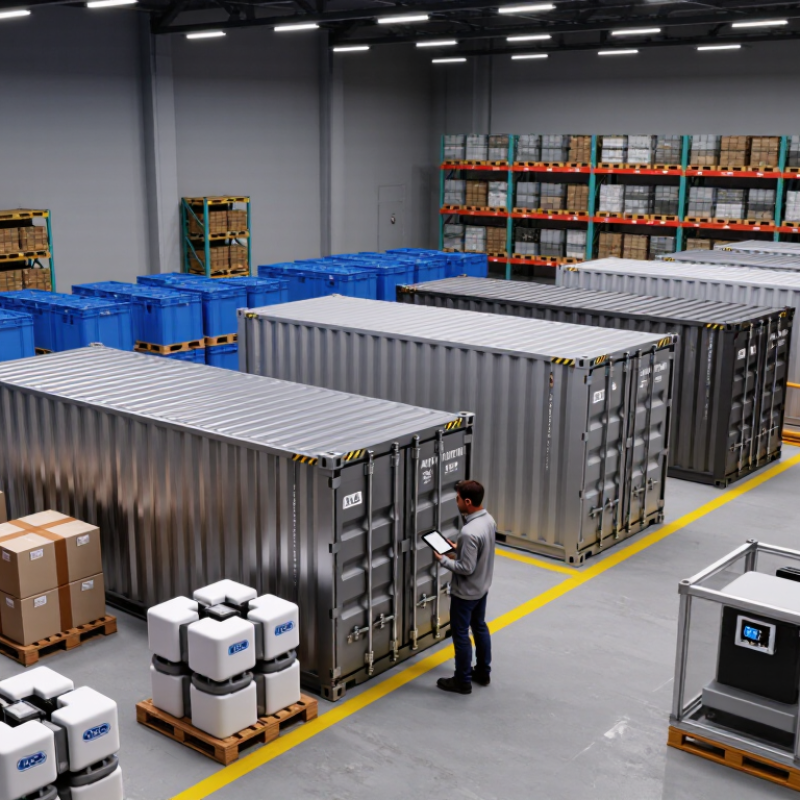
Defining transport container requirements starts with the goods, not the container catalogue. Record dimensions, net weight, center of gravity, stacking limits, moisture sensitivity, and loading orientation. Note whether the product needs ventilation, insulation, shock protection, or tamper evidence. Small details matter. A 2°C temperature swing can damage sensitive materials, while a loose component can fail after repeated vibration.
The route also changes the specification. UNCTAD’s Review of Maritime Transport 2024 reports that over 80% of global merchandise trade by volume moves by sea. Sea freight can expose containers to humidity, salt air, long dwell times, and rough handling. Air transport creates different risks, including pressure changes and faster transfer cycles. The World Bank’s Logistics Performance Index 2023 also highlights tracking and tracing as a key logistics capability. Therefore, define acceptable exposure time and identify where condition data must be recorded.
Test the proposed container against realistic handling conditions. Use recognized distribution-testing methods, such as vibration, compression, impact, and climatic testing. Measure performance after opening, not only when the container looks clean. A perfect specification can still fail in a crowded warehouse. Recheck the design when pallet patterns, routes, or product weights change. This step is often skipped. It should not be. Also consider empty-container return, cleaning access, repairability, and total operating cost, rather than focusing only on purchase price.
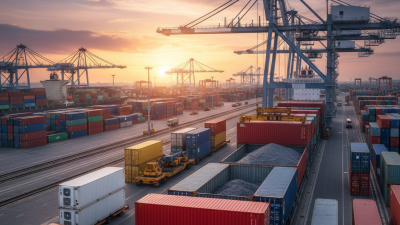
Container material affects protection, weight, cost, and environmental impact. Reusable plastic suits repeated handling and damp warehouses. Corrugated fiberboard is lighter and easier to recycle, but moisture weakens it. Metal provides strong impact resistance, though its weight can increase freight emissions. The United Nations Environment Programme reported that global resource extraction has tripled since 1970. Material selection now deserves more than a price comparison. Weight matters.
Size should follow the product, not the available shelf. Measure length, width, height, and clearance for cushioning. A container with empty space allows movement and increases damage risk. An oversized box also wastes vehicle capacity. Eurostat reported 186.5 kilograms of packaging waste per EU resident in 2022. Better sizing can reduce material use and improve load density. Fit matters more.
Design features often decide real-world performance. Stackable corners help warehouse stability. Handles improve manual movement but may weaken sidewalls if poorly reinforced. Ventilation supports temperature-sensitive loads, while sealed designs resist dust and moisture. Recessed lids reduce snagging during conveyor transfers. In field testing, I would check drop resistance, repeated opening, and condensation. A laboratory result can miss a wet loading dock. Measure twice. No container is perfect; durability, recovery, and handling convenience must be balanced against actual route conditions.
Evaluate Protection, Handling, and Transportation Conditions
Choosing a transport container starts with the product’s real vulnerabilities. Fragile components may need shock absorption, while moisture-sensitive goods require sealed protection. Examine vibration, stacking pressure, dust, and temperature changes along the route. A container that works indoors may fail during repeated loading and unloading. Check its load rating against the packed weight, not an optimistic estimate.
Handling details matter just as much. Workers should be able to grip, lift, open, and secure the container without awkward movements. Smooth edges reduce injury risks. Clear labels help teams identify orientation and handling limits quickly. Test the container with representative contents, including empty spaces and protective inserts. Small movement inside can become serious damage after hours of vibration. It happens.
Transportation conditions deserve measured evidence. Review route length, vehicle type, weather exposure, transfer points, and storage duration. Use drop, vibration, compression, and humidity testing where appropriate. Record the test setup, results, and any visible damage. This creates a reliable basis for comparison. I have seen teams focus on impact resistance while overlooking condensation under a closed lid. That mistake is easy to repeat. Reassess the design after real shipments, because laboratory performance may not reflect rushed handling, uneven floors, or overloaded storage areas.
How to Choose the Right Transport Containers in 2026?
A reliable container must fit the product, route, and handling environment. Before comparing prices, check current transport regulations in every destination market. Requirements may cover dimensions, materials, labeling, stacking strength, and temperature control. A qualified compliance officer should verify the documentation, not just the supplier’s brochure. During a warehouse trial, inspect closures, seams, and internal surfaces after repeated loading. Small cracks can become costly failures.
Sustainability requires more than recycled content. Measure the container’s full life cycle, including manufacturing, cleaning, repair, return freight, and disposal. Reusable units may reduce waste, but only when return rates remain high. A heavy design can increase fuel use across thousands of shipments. That trade-off deserves calculation. Cleaning also matters. Some containers need excessive water, energy, or chemicals between uses. Practical experience shows that easy-to-clean shapes usually perform better over time.
Total ownership cost includes more than the purchase invoice. Add preparation labor, storage space, damage claims, product loss, inspections, and reverse logistics. A simple spreadsheet can compare cost per successful shipment over three to five years. Looks cheaper. But assumptions often fail. For example, a container may require special equipment or occupy valuable warehouse space. Run a small pilot with real routes, seasonal temperatures, and actual handling teams. Record failures honestly. My own evaluations have sometimes favored a slightly more expensive container because it reduced repacking and delivery delays. That decision was not perfect, but the evidence was clearer.
Choosing a transport container in 2026 starts with the product, not the catalogue. Define the payload’s weight, dimensions, fragility, temperature range, and expected journey length. Record loading patterns, stacking pressure, vibration exposure, and humidity risks. Small gaps matter.
Select a container that protects the payload while supporting efficient handling. Check closure strength, internal cushioning, ventilation, cleaning access, and label visibility. For temperature-sensitive goods, confirm insulation performance with calibrated data loggers. For fragile items, use drop and vibration tests that reflect real handling conditions. Supplier specifications are useful, but they should never replace independent verification.
Validation should include a documented trial shipment. Measure internal temperature, movement, moisture, and visible damage from dispatch to receipt. Compare results against clear acceptance criteria, then review them with logistics, quality, and operations teams. An imperfect pilot is valuable. It exposes assumptions before routine use. One overlooked detail, such as a loose insert or difficult latch, can create repeated delays. Recheck the design after seasonal changes, route adjustments, or payload revisions. Keep test records, inspection photographs, and corrective actions together. That evidence supports reliable decisions and makes future container selection faster.
Subscribe to our newsletter for the latest news and exclusive offers.
We hold a long-term view when we build modular rooms taking into consideration your changing needs. Whether it’s shifting your workspace to a new site, redesigning your unit to fit new requirements, or simply clearing the area at the end of the project, our Dismantling & Reassembling teams are pressed into service to get the job done in the quickest possible time and minimum resource wastage.
We understand that every project is unique and therefore has a different set of requirements. That’s why we believe in customizing our solutions to fit individual needs. We are equipped with the right talents, technology, and skillset to offer bespoke modular units, without compromising on turnaround time or quality.
The benefits of choosing Containers ME continues long after the installation of the units as we provide aftersales service for as long as you need. All you have to do is sign the Annual Maintenance Contract (AMC) and enjoy technical support for all the maintenance-related issues. By signing the contract, you can rest assured that a highly professional team of dedicated staff are at your service all year round to attend to your needs.
We specialize in Customized Container Solutions designed to meet diverse needs across the UAE. Our offerings include customized modular containers that cater to various applications, from tailor-made container solutions to bespoke container designs.
Whether you’re looking for personalized container homes or custom modular containers, we have you covered. Our customized container offices provide functional workspaces, while our customized portable containers ensure flexibility on-site. Explore our range of custom container storage units and customized cargo containers to optimize your space.
We also offer custom container leasing and custom container fabrication services, along with customized sea containers designed for secure transport. For specialized needs, our specialized container modifications will help you create the perfect solution for your requirements in both Dubai and the broader UAE.