Blogs

Ultimate Guide to Cnc Precision Machining for Global Buyers

CNC precision machining has transformed the manufacturing landscape. According to a recent report by IBISWorld, the CNC machining industry is valued at over $60 billion globally. This growth highlights its significance across various sectors such as aerospace, automotive, and medical devices. As a key player in precision manufacturing, CNC precision machining offers excellent accuracy, efficiency, and flexibility.

However, navigating this complex industry can be challenging for global buyers. Different suppliers have varying capabilities, technologies, and standards. The quest for quality and precision often leads to pitfalls. A study from Deloitte states that 44% of manufacturers struggle with supply chain consistency. This inconsistency can affect product performance and overall satisfaction.

Choosing the right CNC precision machining partners is critical. Buyers must weigh factors like material compatibility, turnaround time, and cost. Industry standards such as ISO 9001 provide a framework for measuring supplier reliability. Awareness of these elements can empower buyers to make informed decisions. Understanding these nuances is essential for any organization seeking to leverage CNC precision machining effectively.
Ultimate Guide to Cnc Precision Machining for Global Buyers

Overview of CNC Precision Machining Basics and Terminology

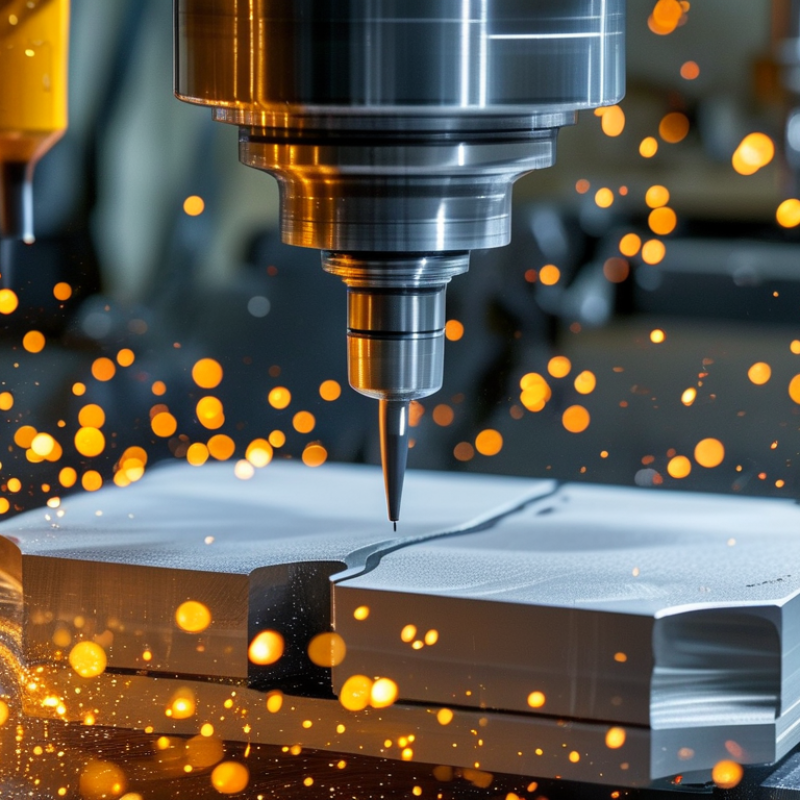
CNC precision machining is a crucial process in manufacturing. Understanding its basics and terminology is vital for global buyers. CNC stands for Computer Numerical Control. This technology automates machine tools using programmed commands. It is widely used for producing complex parts with high precision.

Machining involves various processes, including milling, turning, and drilling. Each process has its unique characteristics. For instance, milling uses rotary cutters to remove material. Turning, on the other hand, involves rotating a workpiece against a stationary cutting tool. Both processes require accurate programming and skilled operators.

Terminology in CNC machining can be confusing. Terms like tolerance, feed rate, and spindle speed are essential. Tolerance refers to the allowable deviation from specified dimensions. A tight tolerance may increase costs but ensures better fit and function. Feed rate determines how quickly a tool moves through material. Measuring these factors helps in achieving desired outcomes. Recognizing these terms enhances communication between buyers and manufacturers.


Key Benefits of CNC Precision Machining for Global Buyers

CNC precision machining offers global buyers numerous significant benefits. This technology enables the production of highly accurate parts with minimal tolerance levels. A recent industry report highlights that CNC machining can achieve tolerances as tight as ±0.005 mm, enhancing product reliability. Global buyers benefit from this precision, especially when dealing with complex components in sectors such as aerospace and medical devices.

Another crucial advantage is the efficiency of CNC machining. The process minimizes waste and reduces cycle time. According to data from the International CNC Machining Association, manufacturers can increase productivity by up to 30% compared to traditional machining methods. However, implementing CNC technology requires an initial investment in machinery and skilled personnel, which can be daunting for small businesses. Yet, the long-term benefits often outweigh these challenges.

Cost-effectiveness further underscores the appeal of CNC precision machining. While setup and programming can be expensive, the reduction in labor costs and material waste can lead to significant savings. Moreover, a survey from the Global Manufacturing Institute shows that companies leveraging CNC machining experience a 20% decrease in overall production costs. Despite these advantages, the technology's complexity demands continuous training and expertise to maintain competitiveness in the global market.

Essential Factors to Consider When Selecting CNC Machining Services

When choosing CNC machining services, several essential factors come into play. The growing demand for precision parts touches various industries, from aerospace to medical devices. According to a recent industry report, the global CNC machining market was valued at over $74 billion in 2022 and is projected to grow at a CAGR of 6.6% through 2030. This underscores the need for buyers to thoroughly vet potential service providers.

Quality assurance is paramount. Look for companies with ISO certifications, as these indicate a commitment to maintaining stringent quality standards. A recent survey revealed that 87% of buyers consider certification crucial when selecting suppliers. Additionally, understanding the service provider's technology and capabilities is vital. Not all CNC machines are created equal. Some may lack the precision required for intricate designs.

Cost-effectiveness can be deceptive. A lower price might mean sacrificing quality. Consider the total cost of ownership, including potential defects and rework. This often leads to overruns in budget and delays. Transparency in communication is key as well. Many companies fall short in providing timely updates. This can lead to misunderstandings and project setbacks. Relying solely on a company's claims may not always yield the best outcome. Evaluate their portfolio and client feedback for a holistic view.

Common Applications and Industries Utilizing CNC Precision Machining

CNC precision machining plays a vital role across various industries. Its applications can be seen in aerospace, automotive, and medical sectors. In aerospace, components must meet strict tolerances. Machined parts ensure safety and performance in flight. The need for lightweight yet durable materials drives this demand.

In the automotive industry, CNC machining is crucial for manufacturing precision components. High-quality parts improve vehicle performance and efficiency. These components often include engine blocks and valve bodies. However, the process is not without challenges. Finding skilled operators can be difficult. Additionally, precision machining sometimes leads to waste if not managed properly.

The medical field benefits from CNC precision machining as well. Custom surgical instruments and implants require exceptional precision. These parts must fit perfectly to function correctly. Still, the industry faces growing concerns about costs and regulations. Companies need to remain adaptable. They must find ways to innovate while adhering to strict guidelines.

Ultimate Guide to CNC Precision Machining for Global Buyers - Common Applications and Industries Utilizing CNC Precision Machining

Application Industry Materials Used Key Benefits
Automotive Parts Manufacturing Automotive Aluminum, Steel, Plastic High precision, mass production
Aerospace Components Aerospace Titanium, Aluminum, Composite Materials Weight reduction, exceptional quality
Medical Devices Production Healthcare Stainless Steel, Plastics Biocompatibility, precision
Electronics Housing Electronics Aluminum, Plastic Durability, custom designs
Robotic Components Robotics Aluminum, Steel High strength-to-weight ratio

Future Trends and Innovations in CNC Precision Machining Technology

The future of CNC precision machining is shaped by emerging trends and innovations. With the rise of automation, manufacturers increasingly utilize robotics and AI in machining processes. This integration streamlines operations and enhances production efficiency. It’s not without challenges, however. The cost of implementation can be a barrier for smaller operations.

Additive manufacturing also plays a significant role. By combining CNC machining with 3D printing, companies can produce complex geometries that were once impossible. This innovation allows for reduced waste and lower material costs. Yet, the technical know-how required for these processes can be intimidating for some.

Moreover, sustainable practices are gaining traction. The industry is exploring eco-friendly materials and energy-efficient machines. Many companies strive to reduce their carbon footprint. This shift is essential, but it raises questions about long-term feasibility. As these technologies evolve, the importance of continuous training and skill development cannot be overstated. Adaptability will be key in navigating the changing landscape of precision machining.

Plug & Play Installation

Our installation services are top-notch, delivering modular systems for any application on time in plug & play condition. We leave nothing for you to figure out, set up, or fix. All you’ve to do is just step in, and get going with your business.

Dismantling & Reassembling

We hold a long-term view when we build modular rooms taking into consideration your changing needs. Whether it’s shifting your workspace to a new site, redesigning your unit to fit new requirements, or simply clearing the area at the end of the project, our Dismantling & Reassembling teams are pressed into service to get the job done in the quickest possible time and minimum resource wastage.

Interior Designing

Our interior designs combine both functional and aesthetic aspects to provide you with physical and emotional comfort. We ask you for your preferences and give the best possible solutions aligned to your tastes. Our units are built to be modern, stylish, and elegant.

Bespoke Solutions

We understand that every project is unique and therefore has a different set of requirements. That’s why we believe in customizing our solutions to fit individual needs. We are equipped with the right talents, technology, and skillset to offer bespoke modular units, without compromising on turnaround time or quality.

Aftersales Service

The benefits of choosing Containers ME continues long after the installation of the units as we provide aftersales service for as long as you need. All you have to do is sign the Annual Maintenance Contract (AMC) and enjoy technical support for all the maintenance-related issues. By signing the contract, you can rest assured that a highly professional team of dedicated staff are at your service all year round to attend to your needs.

Customized Container Solutions

We specialize in Customized Container Solutions designed to meet diverse needs across the UAE. Our offerings include customized modular containers that cater to various applications, from tailor-made container solutions to bespoke container designs.

Whether you’re looking for personalized container homes or custom modular containers, we have you covered. Our customized container offices provide functional workspaces, while our customized portable containers ensure flexibility on-site. Explore our range of custom container storage units and customized cargo containers to optimize your space.

We also offer custom container leasing and custom container fabrication services, along with customized sea containers designed for secure transport. For specialized needs, our specialized container modifications will help you create the perfect solution for your requirements in both Dubai and the broader UAE.

Get a quote

Get a quote