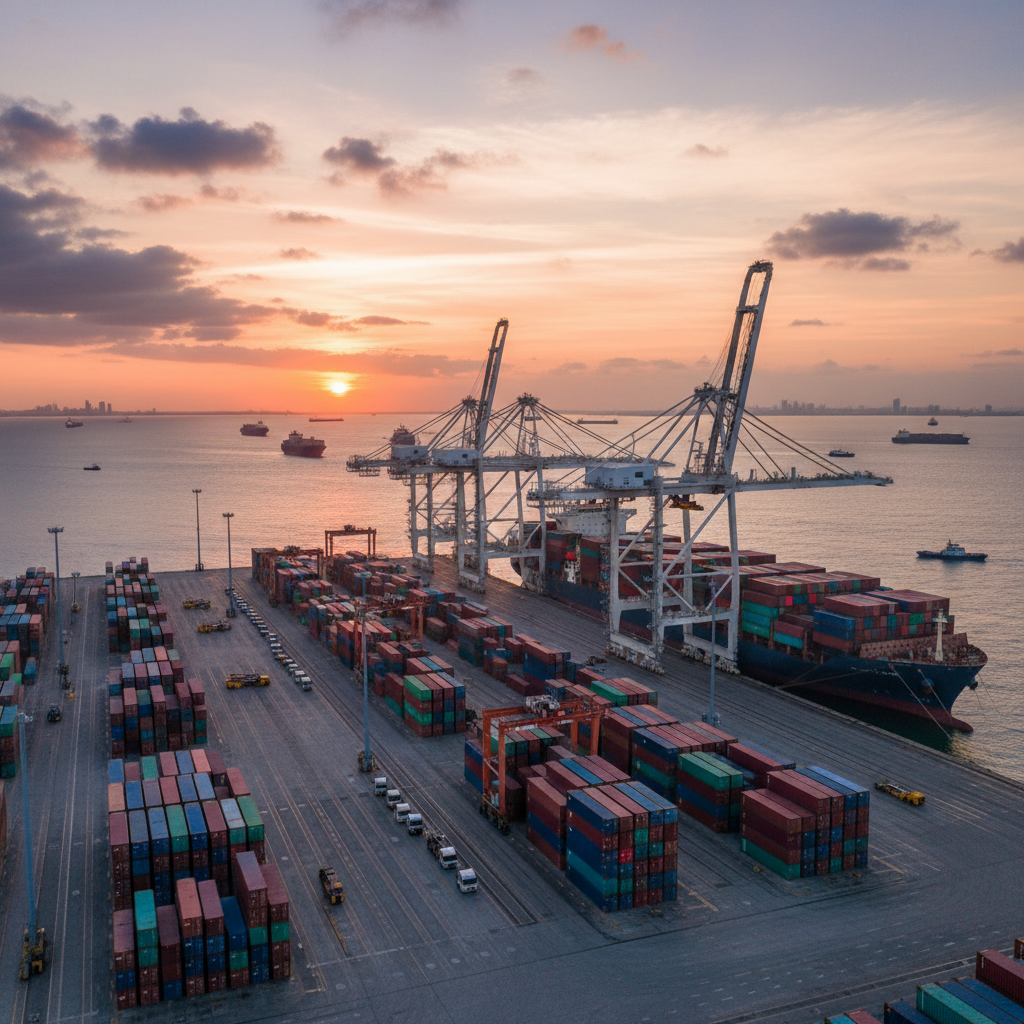
In the ever-evolving world of logistics and shipping, the role of transport containers has become increasingly crucial. As international trade continues to expand, the need for efficient, secure, and versatile transport containers has risen significantly. These containers are not only pivotal for safeguarding goods during transit but also for optimizing space and ensuring the integrity of shipments across various sectors. This article will delve into the top five types of transport containers that are set to dominate the shipping landscape in 2025, highlighting their unique features and applications.
Transport containers come in various forms, each designed to meet specific shipping needs. From standard cargo containers to specialized options like refrigerated units and flat racks, the diversity allows businesses to select the most suitable solution for their products. Understanding the distinctions among these transport containers is essential for companies looking to enhance their supply chain efficiency and reduce costs. As we explore the latest innovations and trends in transport container technology, it becomes clear that staying informed is key to maintaining a competitive edge in the global market.
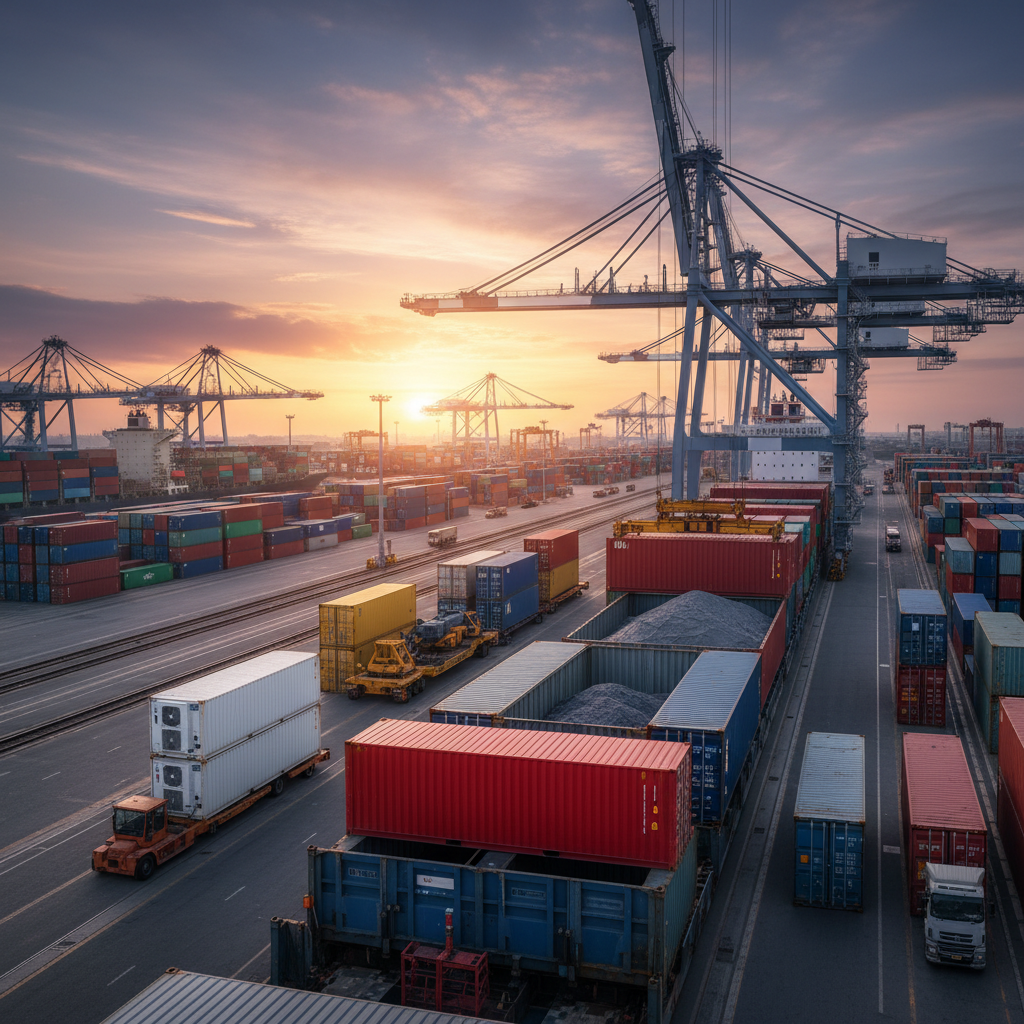
Intermodal containers are essential for global shipping, facilitating the seamless transfer of goods across various transportation modes. The market for container ships is set to expand significantly, with projections estimating growth from $15.37 billion in 2025 to $21.40 billion by 2032, at a CAGR of 4.8%. This growth is driven by the increasing demand for efficient logistics and trade solutions worldwide.
Among the diverse types of transport containers, dry containers, refrigerated containers, and tank containers are crucial. Dry containers ensure the safe transport of non-perishable goods, while refrigerated containers maintain the integrity of temperature-sensitive items. Tank containers, on the other hand, are specifically designed for liquids and gases, offering an efficient alternative for hazardous materials shipping.
As global trade continues to evolve, the intermodal freight transport model has emerged as a vital strategy, leveraging multiple transportation modes to enhance efficiency and reduce costs. The combined efforts in this sector are predicted to propel the shipping container market from USD 10.98 billion in 2025 to approximately USD 15.01 billion by 2034, reflecting the industry's robust adaptability and projected growth trajectory.
When it comes to shipping fragile and perishable goods, specialized containers play a crucial role in ensuring their safe transport. The use of temperature-controlled containers, such as refrigerated trailers, is essential for items like seafood, pharmaceuticals, and fresh produce. A report by the International Air Transport Association (IATA) indicates that the global perishable goods market is projected to grow by 4.5% annually, underscoring the increasing demand for reliable shipping solutions that guarantee product integrity.
Another important type of specialized container is the insulated or cushioning container, designed to protect delicate items from shocks and vibrations. These containers often use materials such as polyethylene foam or gel packs to maintain stability during transit. According to a study from the Logistics Management, nearly 30% of damage during shipping occurs due to inadequate packaging for fragile goods. Hence, ensuring appropriate cushioning is vital for minimizing product loss and enhancing customer satisfaction.
Tips: Always label containers clearly to denote fragile or temperature-sensitive contents. Additionally, conducting a thorough inspection of the packaging before shipping can significantly reduce risks. Also, considering investing in tracking technologies can provide real-time updates on the condition of perishable shipments, allowing for proactive measures if temperature fluctuations are detected.
| Container Type | Description | Ideal For | Temperature Control |
|---|---|---|---|
| Reefer Container | Insulated container with refrigeration units | Perishable food, pharmaceuticals | Yes |
| Open Top Container | Container with an open top for oversized goods | Lumber, machinery | No |
| Flat Rack Container | Platform for heavy loads, no side walls | Mining equipment, vehicles | No |
| Thermal Box | Insulated box for temperature-sensitive goods | Medicines, fruits | Yes |
| Pallet Wide Container | Wider container for optimal loading | Consumer goods | No |
| Ventilated Container | Container with ventilation openings | Agricultural products | No |
Reefer containers, also known as refrigerated containers, play a crucial role in the global shipping industry, especially for perishable goods. These specialized transport containers are equipped with refrigeration units that maintain a specific temperature range, typically between -30°C to 30°C, ensuring the freshness and quality of products such as seafood, pharmaceuticals, and fruits. According to a report by Transparency Market Research, the global reefer container market is projected to reach USD 11.5 billion by 2026, driven by the increasing demand for temperature-sensitive products in the supply chain.
When using reefer containers, it's essential to monitor the temperature constantly. Regular checks can prevent spoilage and ensure compliance with safety standards. Additionally, loading and unloading should be done quickly to minimize exposure to ambient temperatures.
Another important tip is to optimize the container's load by ensuring proper airflow around the products. This practice not only facilitates even cooling but also enhances the efficiency of the refrigeration system, reducing energy consumption. Understanding the intricacies of reefer containers can significantly impact the success of shipping temperature-sensitive goods across long distances.
Tank containers are specially designed for the transport of liquid cargo, providing both safety and efficiency. These containers are built according to strict international standards and are equipped with a cylindrical tank encased within a metallic frame. This design not only maximizes the volume of liquids transported but also ensures stability during transit, significantly reducing the risk of spills or leaks.
The versatility of tank containers allows for the transport of a wide variety of liquids, including chemicals, oils, and food-grade materials. They come in different sizes, typically ranging from 20 to 40 feet, and can hold up to 26,000 liters of liquid. Additionally, these containers often feature heating or insulation systems to maintain the integrity of temperature-sensitive cargo. The ease of loading and unloading makes tank containers an ideal choice for businesses seeking to streamline their logistics while adhering to safety regulations.
When it comes to shipping oversized cargo, choosing the right type of transport container is crucial. Two popular options are flat rack and open top containers, each designed to accommodate large and awkwardly shaped goods. Flat rack containers are essentially platforms with no walls or roof, allowing easy loading and unloading from the top or sides. This makes them ideal for heavy machinery and large equipment that can be securely strapped down without the constraints of traditional containers.
On the other hand, open top containers are covered with a tarpaulin, providing some protection against the elements while still allowing for oversized items. They come in handy for tall cargo that cannot fit within the walls of standard containers. When using open top containers, it’s essential to ensure that the cargo is stable and properly secured to prevent shifting during transportation.
Tips: Always measure your cargo accurately and consult with your shipping provider on the best container type. Additionally, consider the loading and unloading locations, as flat racks and open top containers may require specialized handling equipment to ensure safe and efficient transport.
Subscribe to our newsletter for the latest news and exclusive offers.
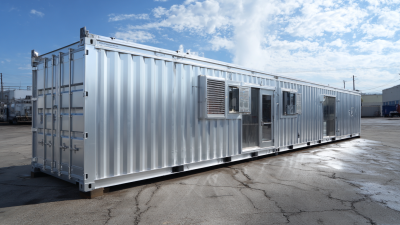
We hold a long-term view when we build modular rooms taking into consideration your changing needs. Whether it’s shifting your workspace to a new site, redesigning your unit to fit new requirements, or simply clearing the area at the end of the project, our Dismantling & Reassembling teams are pressed into service to get the job done in the quickest possible time and minimum resource wastage.
We understand that every project is unique and therefore has a different set of requirements. That’s why we believe in customizing our solutions to fit individual needs. We are equipped with the right talents, technology, and skillset to offer bespoke modular units, without compromising on turnaround time or quality.
The benefits of choosing Containers ME continues long after the installation of the units as we provide aftersales service for as long as you need. All you have to do is sign the Annual Maintenance Contract (AMC) and enjoy technical support for all the maintenance-related issues. By signing the contract, you can rest assured that a highly professional team of dedicated staff are at your service all year round to attend to your needs.
We specialize in Customized Container Solutions designed to meet diverse needs across the UAE. Our offerings include customized modular containers that cater to various applications, from tailor-made container solutions to bespoke container designs.
Whether you’re looking for personalized container homes or custom modular containers, we have you covered. Our customized container offices provide functional workspaces, while our customized portable containers ensure flexibility on-site. Explore our range of custom container storage units and customized cargo containers to optimize your space.
We also offer custom container leasing and custom container fabrication services, along with customized sea containers designed for secure transport. For specialized needs, our specialized container modifications will help you create the perfect solution for your requirements in both Dubai and the broader UAE.