Fiberboard Medium Density Board is a versatile material widely used in various applications. It is made from wood fibers, adhesives, and heat. This board offers a smooth surface, making it ideal for furniture and cabinetry. Its durability and affordability make it a popular choice for both professionals and DIY enthusiasts.
The benefits of Fiberboard Medium Density Board go beyond surface-level aesthetics. It is lightweight yet strong, allowing for easy handling and transport. Its uniform density reduces the risk of warping or splitting, ensuring a long-lasting product. Furthermore, it can be easily cut and shaped for customized projects. However, it is crucial to note that certain conditions, such as high moisture exposure, can affect its performance.
Understanding Fiberboard Medium Density Board helps consumers make informed choices. Acknowledging its limitations, such as potential susceptibility to water damage, is vital. With the right care, this material can provide significant advantages for construction and design projects. The balance between its benefits and necessary precautions will guide users in their applications.
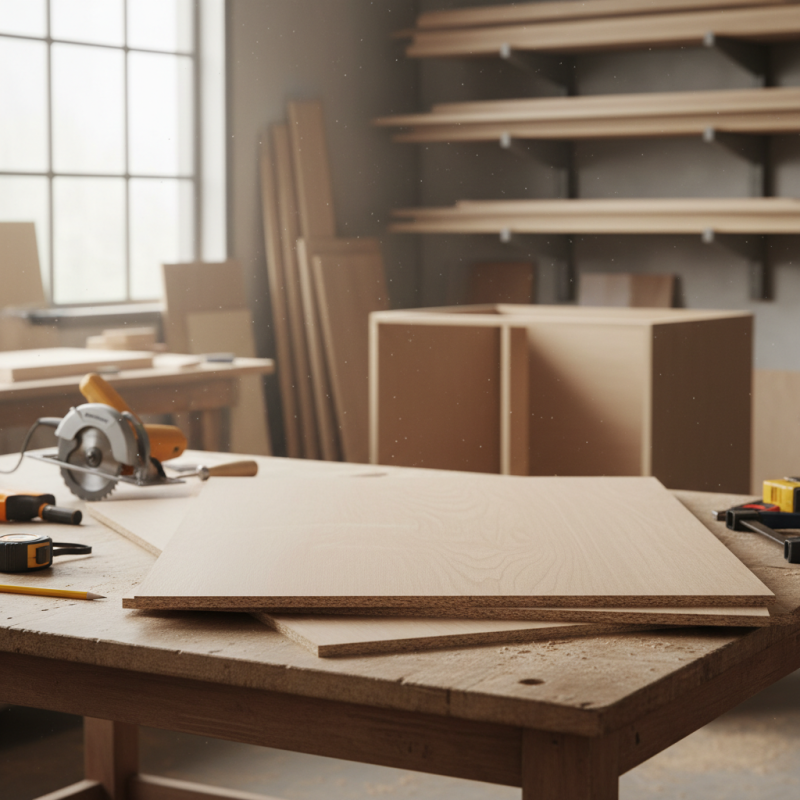
Fiberboard Medium Density Board (MDF) is an engineered wood product made from wood fibers bonded with resin under heat and pressure. This process creates a dense and uniform sheet that offers various applications. MDF is commonly used in furniture, cabinetry, and flooring, primarily due to its smooth surface, which is ideal for painting and veneering. Studies have shown that MDF provides excellent machinability, allowing for intricate designs and cuts, whereas other materials may splinter or chip.
In terms of durability, MDF is resistant to warping and shrinking, which can often plague traditional wood products. According to industry reports, the demand for MDF is increasing, as it is seen as a more sustainable alternative due to its composition from recycled wood fibers. The global MDF market was valued at approximately $18 billion in 2022 and is expected to grow steadily.
Tips: When selecting MDF for a project, consider its density. Higher density boards may provide better sound insulation and strength. Always ensure proper ventilation during cutting to minimize dust exposure. While MDF is versatile, it can absorb moisture, making it less suitable for humid environments. Use a sealer to protect your project.
Remember, working with MDF requires a careful approach. Potential health risks include inhaling fine dust particles. Wearing a mask and using appropriate protective gear is crucial to ensure safety during handling and installation.

Medium Density Fiberboard (MDF) is a versatile engineered wood product. It is made from wood fibers, wax, and resin, which are combined and formed under heat and pressure. This process results in a dense and sturdy board. The manufacturing of MDF involves several steps. First, raw wood is chipped into small pieces, then it is processed into fibers. These fibers are mixed with resin and wax, leading to the formation of sheets under extreme conditions.
To ensure consistent quality, monitoring each phase of production is vital. Small adjustments can make a significant difference in the final product's integrity. While MDF is known for its smooth surface and ease of use, it is crucial to assess the manufacturing tolerances. Any deviation can affect the performance of finished products.
Tips: When choosing MDF, look for boards that adhere to industry standards. This ensures better durability and reduces potential issues in application. Always consider the environmental impact of MDF production and whether the source is sustainable. Proper ventilation is important during the cutting process to minimize exposure to fine dust.
Fiberboard Medium Density Board (MDF) is a versatile material used in various applications. Its benefits make it a popular choice among builders and designers.
One of the key advantages of MDF is its smooth surface. This allows for flawless paint finishes and easy veneering. The consistent density also prevents warping or splitting, making it ideal for intricate designs. Additionally, it is easy to cut and shape, streamlining the construction process.
When using MDF, consider proper ventilation and dust control during cutting. Fine dust can be harmful to health. Always wear a mask and work in a well-ventilated area.
Another benefit is its affordability. Fiberboard provides a cost-effective solution for furniture and cabinetry without sacrificing quality. Its eco-friendly nature is also notable. MDF is often made from recycled wood fibers, promoting sustainability. However, occasional issues with water resistance might arise. It's best to avoid prolonged exposure to moisture to maintain its integrity.
Incorporating Fiberboard Medium Density Board can elevate projects with its practicality and aesthetic appeal. Understanding both its advantages and potential drawbacks is key to making informed decisions.
Medium Density Fiberboard (MDF) is a versatile material with widespread applications across various industries. Its smooth surface and durability make it ideal for cabinetry and furniture production. Many manufacturers prefer MDF for custom moldings due to its ease of shaping and finishing. It allows designers to create intricate designs that standard wood might not accommodate.
The construction industry also benefits from MDF’s properties. It is often used for wall paneling and flooring underlayment. Although it is not as strong as plywood, MDF offers cost advantages. However, some professionals question its moisture resistance. This could lead to issues in high-humidity environments.
In the automotive sector, MDF is utilized in interior components. Its lightweight nature contributes to fuel efficiency. Users appreciate its acoustic properties, which help in noise reduction. This material's adaptability allows it to be reshaped, although careful handling is necessary to avoid breakage. While MDF is widely accepted, understanding its limitations is essential for optimal usage.
Medium Density Fiberboard (MDF) stands out among wood products for several reasons. Its smooth surface allows for easy painting and finishing. Unlike solid wood, MDF does not warp or crack over time. This makes it a popular choice for furniture and cabinetry.
When comparing MDF to plywood, differences become clear. Plywood, made of thin layers, has more strength. However, MDF’s uniform density means it can be shaped and cut without chipping. While MDF may be cheaper, it is more susceptible to moisture damage. In contrast, plywood holds up better in humid environments.
Another consideration is sustainability. MDF is often made from recycled wood fibers, reducing waste. Plywood uses entire sheets of wood, which can raise environmental concerns. Some may argue that MDF emits volatile organic compounds (VOCs) during production. Awareness of these factors is critical in making the best choice for your project. Balancing costs, durability, and environmental impact can lead to better decision-making.
| Feature | MDF (Medium Density Fiberboard) | Plywood | Particle Board | Solid Wood |
|---|---|---|---|---|
| Density | 600-800 kg/m³ | 400-700 kg/m³ | 600-800 kg/m³ | 600-900 kg/m³ |
| Cost | Moderate | Higher | Low | Very High |
| Moisture Resistance | Medium | High | Low | High |
| Durability | Good | Very Good | Poor | Excellent |
| Ease of Machining | Excellent | Good | Fair | Good |
| Applications | Furniture, cabinetry | Lumber, furniture | Flat pack furniture | High-end furniture |
Subscribe to our newsletter for the latest news and exclusive offers.
We hold a long-term view when we build modular rooms taking into consideration your changing needs. Whether it’s shifting your workspace to a new site, redesigning your unit to fit new requirements, or simply clearing the area at the end of the project, our Dismantling & Reassembling teams are pressed into service to get the job done in the quickest possible time and minimum resource wastage.
We understand that every project is unique and therefore has a different set of requirements. That’s why we believe in customizing our solutions to fit individual needs. We are equipped with the right talents, technology, and skillset to offer bespoke modular units, without compromising on turnaround time or quality.
The benefits of choosing Containers ME continues long after the installation of the units as we provide aftersales service for as long as you need. All you have to do is sign the Annual Maintenance Contract (AMC) and enjoy technical support for all the maintenance-related issues. By signing the contract, you can rest assured that a highly professional team of dedicated staff are at your service all year round to attend to your needs.
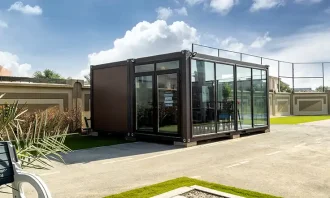
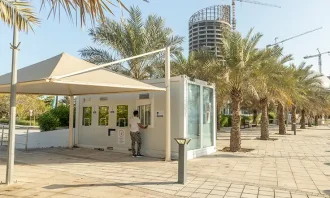
We specialize in Customized Container Solutions designed to meet diverse needs across the UAE. Our offerings include customized modular containers that cater to various applications, from tailor-made container solutions to bespoke container designs.
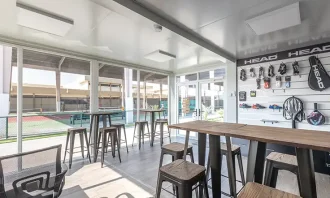
Whether you’re looking for personalized container homes or custom modular containers, we have you covered. Our customized container offices provide functional workspaces, while our customized portable containers ensure flexibility on-site. Explore our range of custom container storage units and customized cargo containers to optimize your space.
We also offer custom container leasing and custom container fabrication services, along with customized sea containers designed for secure transport. For specialized needs, our specialized container modifications will help you create the perfect solution for your requirements in both Dubai and the broader UAE.