Blogs

What is a Gate Valve and How Does It Work?

Gate Valves are essential components in various piping systems. They are used to control the flow of liquids and gases. Understanding how a gate valve works can help in selecting the right type for your needs.

A gate valve operates by lifting a barrier, or gate, from the fluid path. This design allows for minimal resistance when the valve is fully open. When closed, the gate creates a tight seal, preventing leaks. However, gate valves may not offer precise control over flow rate. Their primary function is to act as a shut-off valve.

Choosing the appropriate gate valve requires knowledge of the system's pressure and temperature. Some applications may benefit from alternative valve types. It is crucial to evaluate conditions before installation. While the gate valve has many advantages, its limitations should also be considered. Ensuring proper usage can enhance system efficiency and reliability.
What is a Gate Valve and How Does It Work?

What is a Gate Valve?

A gate valve is a type of valve used to control the flow of fluids. It operates by lifting a rectangular or circular gate out of the path of the fluid. When fully opened, the gate allows fluid to pass through with minimal resistance. This design makes gate valves ideal for applications requiring a straight-line flow of fluid.

These valves are commonly used in various industrial settings, including water supply, oil and gas pipelines, and wastewater treatment. They can handle a wide range of pressures and temperatures. However, gate valves are not designed for throttling; they excel when fully opened or closed. Sometimes, users may find it challenging to operate or maintain these valves, leading to potential leaks or failures if not handled properly.

Gate valves can sometimes exhibit wear and tear, especially if exposed to harsh environments. Regular inspection is necessary to ensure reliable operation. Understanding the operating principles and potential issues with gate valves can help users make informed choices. It is essential to weigh these factors against your specific requirements before installation.


The Structure of a Gate Valve

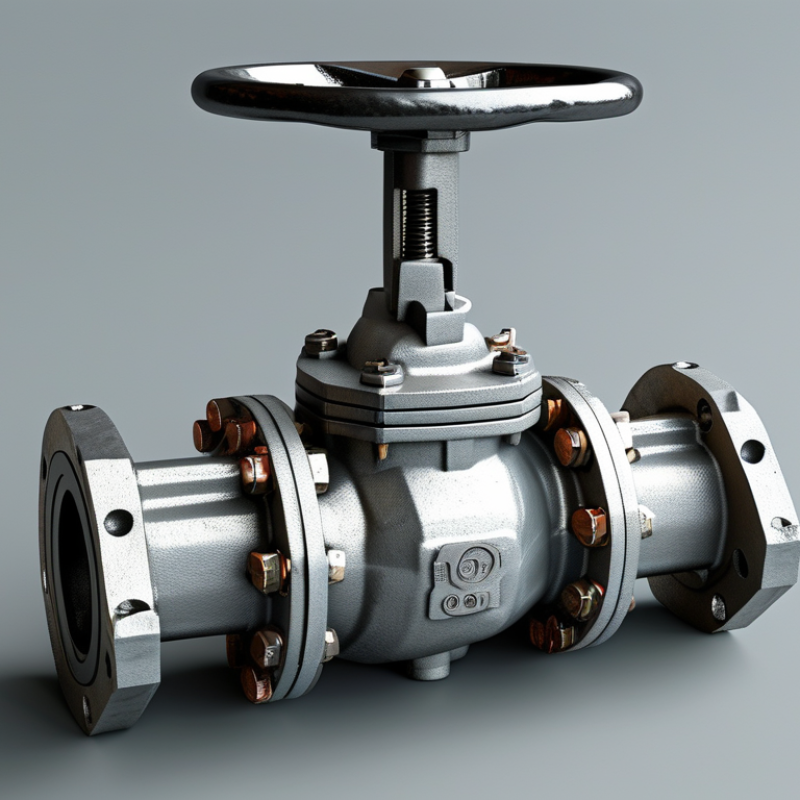
A gate valve is a robust device used to control fluid flow. Its main structure includes a valve body, a gate, and two seats. The body is typically made from metal, providing durability. Inside, the gate moves up and down to open or close the flow. This design allows for minimal flow resistance when fully open.

The valve’s operation is straightforward. When the handle is turned, the gate is either raised or lowered. This motion can be simple, but it requires precision. The seats must create a tight seal to prevent leaks. If the valve is not maintained, these seals can wear out. This can lead to issues like reduced efficiency or even failures in the system.

Gate valves are often favored for their ability to handle high pressures. However, they are not ideal for throttling. Using them in a partially open position may cause vibration and wear. It’s essential to understand the context in which they are used. Misapplications can lead to maintenance headaches down the line.

How a Gate Valve Operates

A gate valve is a mechanical device used to control the flow of liquids and gases. It operates by raising or lowering a gate within the valve body. This action creates an opening or closing effect. When the gate is fully raised, the valve allows fluid to flow freely. Conversely, when lowered, it blocks the flow entirely. This type of valve is favored for its straightforward design and minimal pressure drop.

The mechanism of a gate valve is simple yet effective. Turning the handle or actuator causes the gate to move vertically. This movement is achieved through a threaded stem. However, the gate does not provide a tight seal like other valve types. This can lead to minor leaks over time. Users need to consider this when selecting gate valves for critical applications. Regular maintenance can help address these issues, ensuring the valve remains reliable and functional.

In practice, gate valves are widely used in various industries. They can be found in water supply systems, oil pipelines, and even HVAC applications. Despite their effectiveness, gate valves can be slow to operate. Users may find it takes time to completely open or close the gate. This is something to keep in mind, especially in emergency situations. Understanding how a gate valve operates is crucial for ensuring optimal performance in any system.

Applications of Gate Valves in Industries

Gate valves play a critical role in various industries, particularly in water supply, oil, and gas sectors. They effectively control the flow of liquids and gases through pipelines by raising or lowering a gate. This simple yet efficient design allows for minimal pressure drop and ensures a full flow path when the valve is open. In water treatment plants, gate valves are often employed to isolate sections of the system for maintenance and repairs.

In the oil and gas industry, gate valves are essential for controlling the flow of hydrocarbons. They are robust and can handle high pressure and temperature conditions. Their ability to provide tight sealing when closed makes them ideal for preventing leaks. However, regular maintenance is crucial, as wear and tear over time can compromise their efficacy. Some operators have reported challenges in valve operation due to corrosion or sediment build-up, which highlights the need for periodic inspections.

Chemical processing facilities also utilize gate valves to handle corrosive substances. While they are effective, the selection of materials is vital for durability. Some gate valves may not stand up to certain chemicals, leading to unexpected failures. Industry professionals must stay informed about best practices and emerging technologies to enhance reliability and safety in valve operations.

Advantages and Disadvantages of Using Gate Valves

Gate valves offer distinct advantages and disadvantages. On the positive side, they excel at providing a clear, unobstructed flow when fully opened. This design reduces pressure loss within pipelines, making them effective for isolating fluid flow. Furthermore, they are durable, often crafted from robust materials that withstand harsh conditions. Gate valves can handle high pressure and temperature, making them suitable for industrial applications.

However, they also have limitations. Gate valves are not ideal for regulating flow. Once opened or closed, they typically require substantial time for adjustment, making them less responsive than other valve types. The maintenance of gate valves can be challenging, particularly in larger sizes. Corrosion and debris can hinder their operation, leading to inefficiencies. When thinking about gate valves, it's essential to weigh these factors carefully. Understanding their strengths and weaknesses informs better decision-making for specific applications.

Advantages and Disadvantages of Using Gate Valves

The bar chart above shows the comparative count of advantages and disadvantages associated with the use of gate valves. Gate valves are predominantly used for their ability to create a tight seal, making them ideal for on/off applications. However, they may not be suitable for throttling purposes and have some installation and maintenance costs involved.

Article Source:

Plug & Play Installation

Our installation services are top-notch, delivering modular systems for any application on time in plug & play condition. We leave nothing for you to figure out, set up, or fix. All you’ve to do is just step in, and get going with your business.

Dismantling & Reassembling

We hold a long-term view when we build modular rooms taking into consideration your changing needs. Whether it’s shifting your workspace to a new site, redesigning your unit to fit new requirements, or simply clearing the area at the end of the project, our Dismantling & Reassembling teams are pressed into service to get the job done in the quickest possible time and minimum resource wastage.

Interior Designing

Our interior designs combine both functional and aesthetic aspects to provide you with physical and emotional comfort. We ask you for your preferences and give the best possible solutions aligned to your tastes. Our units are built to be modern, stylish, and elegant.

Bespoke Solutions

We understand that every project is unique and therefore has a different set of requirements. That’s why we believe in customizing our solutions to fit individual needs. We are equipped with the right talents, technology, and skillset to offer bespoke modular units, without compromising on turnaround time or quality.

Aftersales Service

The benefits of choosing Containers ME continues long after the installation of the units as we provide aftersales service for as long as you need. All you have to do is sign the Annual Maintenance Contract (AMC) and enjoy technical support for all the maintenance-related issues. By signing the contract, you can rest assured that a highly professional team of dedicated staff are at your service all year round to attend to your needs.

Customized Container Solutions

We specialize in Customized Container Solutions designed to meet diverse needs across the UAE. Our offerings include customized modular containers that cater to various applications, from tailor-made container solutions to bespoke container designs.

Whether you’re looking for personalized container homes or custom modular containers, we have you covered. Our customized container offices provide functional workspaces, while our customized portable containers ensure flexibility on-site. Explore our range of custom container storage units and customized cargo containers to optimize your space.

We also offer custom container leasing and custom container fabrication services, along with customized sea containers designed for secure transport. For specialized needs, our specialized container modifications will help you create the perfect solution for your requirements in both Dubai and the broader UAE.

Get a quote

Get a quote