Blogs

What is Heat Shrink Wrap and How is it Used?

Heat Shrink Wrap is a versatile material widely used across various industries. According to John Smith, a packaging expert with over 15 years of experience, "Heat Shrink Wrap provides unmatched protection for products." This innovative wrapping method involves applying heat to shrink the film around an object. It forms a tight seal that protects items from dust, moisture, and physical damage.

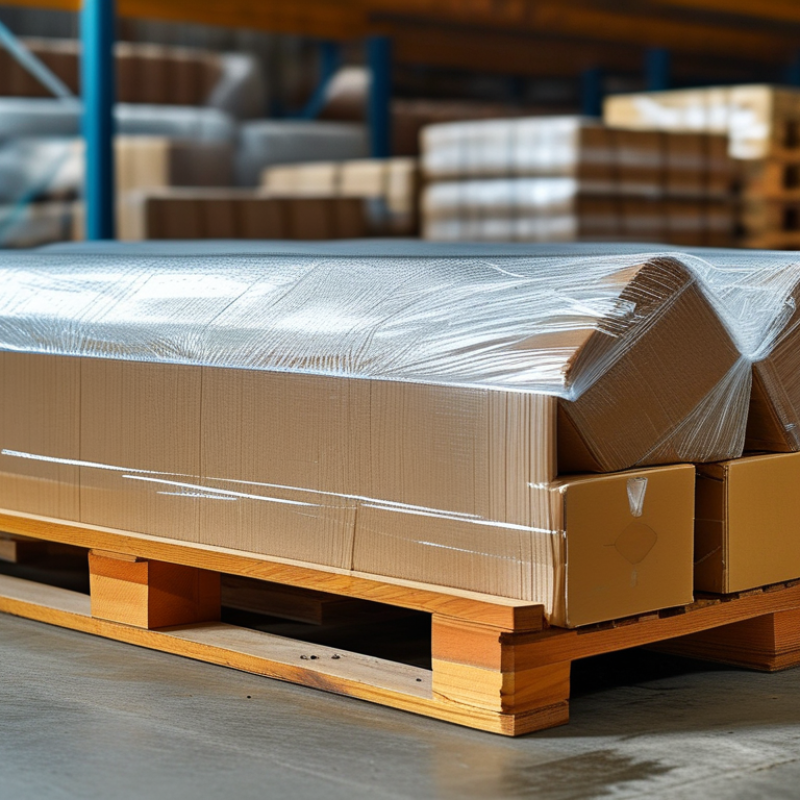
The applications of Heat Shrink Wrap are vast. Companies in packaging, shipping, and food industries rely on it for efficiency and product safety. For instance, it secures pallets of goods, enabling easier handling and transportation. Despite its benefits, it is essential to consider the environmental impact of plastic shrink films. Many users may not recycle properly, leading to waste issues.

Not all Heat Shrink Wrap is equal. Choosing the right type requires an understanding of material properties and intended use. Industry professionals often emphasize the need for thorough product testing. This ensures reliability and performance. As technology evolves, new alternatives emerge, challenging traditional approaches. Continuous exploration in this field is vital for sustainable practices.
What is Heat Shrink Wrap and How is it Used?

What is Heat Shrink Wrap?

Heat shrink wrap is a versatile packaging material known for its ability to conform tightly to various objects. Made from polyethylene or polyvinyl chloride, it shrinks when exposed to heat. This process creates a strong, protective layer that enhances the durability and appearance of the items contained within. In the packaging industry, the global heat shrink wrap market was valued at approximately 2.83 billion dollars in 2020 and is projected to reach over 4.52 billion dollars by 2028, reflecting a robust growth in demand.

The applications of heat shrink wrap are diverse, spanning from product packaging to insulation. For instance, it is widely used in food packaging to extend shelf life. Its barrier properties prevent moisture and contaminants from affecting the product. Shrink wrap also plays a role in industrial applications, such as bundling and securing products for shipping. Despite its advantages, users must consider environmental impacts. While many shrink wraps are recyclable, not all facilities accept them. This poses challenges in waste management and recycling processes.

Understanding the specific requirements of each application is crucial. Heat shrink wrap must be selected based on thickness, shrink ratio, and material type. Poor selection can lead to inadequate protection or failure during shipping. Overall, using heat shrink wrap effectively involves balancing packaging needs with ecological considerations.

Types of Heat Shrink Wrap and Their Applications

Heat shrink wrap comes in various types, each suited for specific applications. Common types include polyolefin, PVC, and polyethylene. Polyolefin is often used for retail packaging due to its clarity and durability. According to industry data, the global heat shrink wraps market size was valued at approximately $4 billion in 2022, with polyolefin holding a significant share of about 45%. This material is known for its excellent shrink properties and resistance to punctures.

PVC heat shrink wrap is popular for bundling products. It’s less expensive than polyolefin but can be less environmentally friendly. With the rising demand for sustainable options, the industry is facing a challenge. Companies are exploring biodegradable alternatives, which have a much smaller market share, around 5%. This requires innovation and investment to meet eco-conscious consumer demands. Polyethylene wraps, on the other hand, are robust and ideal for shipping applications. They protect against moisture and chemicals, but their thickness can be a drawback during recycling.

In choosing the right type, one must consider factors such as application, cost, and environmental impact. While innovations in materials are promising, gaps in biodegradability remain a concern. The industry must address these issues while meeting user needs across diverse applications. This will ensure that heat shrink wrap remains a reliable solution in packaging and shipping.

How to Properly Use Heat Shrink Wrap

When using heat shrink wrap, preparation is key. Start by selecting the right size of heat shrink film for your project. Ensure the material is compatible with the items you want to wrap. Properly clean the surface of the items to remove dust and grease. This will help the wrap stick effectively.

Tips: Always practice with a small piece first. This can help you gauge the right temperature for shrinking. Overheating can damage the wrap. Be mindful of the heat source’s distance. It should be close enough to work, but not so close that it burns the wrap.

Once you begin the shrinking process, keep the heat source moving. This prevents uneven shrinking. Watch how the material reacts. Sometimes, areas may shrink too much, leading to tears. If this happens, don’t panic; just cut the damaged section and reapply. Flexibility and patience are essential when working with heat shrink wrap.

Benefits of Using Heat Shrink Wrap for Packaging

Heat shrink wrap has become an essential tool in various industries. It provides effective protection for products during shipment and storage. The material shrinks tightly around items when heat is applied, creating a secure barrier against moisture, dust, and physical damage. According to a report by Freedonia Group, the global demand for shrink wrap is projected to grow by 4.5% annually through 2025, reflecting its increasing importance in packaging.

One notable benefit of heat shrink wrap is its versatility. Manufacturers can use it for products of all shapes and sizes. The wrap can conform to irregular surfaces, ensuring complete coverage. Additionally, it is compatible with various materials such as plastics and metals, making it widely applicable across different sectors. The market for flexible packaging, which includes heat shrink wrap, was valued at approximately $250 billion in 2022. Such figures demonstrate its relevance in modern packaging strategies.

However, the effectiveness of heat shrink wrap relies heavily on proper application and quality. Inadequate heat application can lead to insufficient sealing, compromising product safety. Furthermore, the environmental impact of using non-biodegradable materials raises concerns. More companies are experimenting with bio-based alternatives, promoting sustainability in packaging. As the industry evolves, balancing efficiency and environmental responsibility remains a critical discussion.

Benefits of Using Heat Shrink Wrap for Packaging

Heat shrink wrap is a versatile packaging solution widely used across various industries. Below is a representation of some key benefits and their impact on packaging efficiency.

Common Industries That Utilize Heat Shrink Wrap

Heat shrink wrap is a versatile solution widely utilized across various industries. In the food industry, it helps in packaging products securely and maintaining freshness. It provides a moisture barrier, which is essential for preserving perishable goods. The tamper-evident features add a layer of security for consumers. However, inappropriate application can lead to waste, as the shrink wrap may not bond properly or could tear.

In the electronics industry, heat shrink wrap is critical for protective insulation. It protects wires and components from environmental damage. This ensures longevity and reduces malfunction rates. Yet, workers often overlook the importance of uniform application, which can result in vulnerabilities in the protection it offers.

Heat shrink wrap is also beneficial in the construction sector. It is commonly used to cover tools and equipment, shielding them from dirt and moisture. Proper use can extend the life span of equipment. Yet, if not secured correctly, it can blow away or shift, leaving valuables exposed. Overall, while heat shrink wrap offers many advantages, careful consideration and proper techniques are necessary for optimal efficacy.

Plug & Play Installation

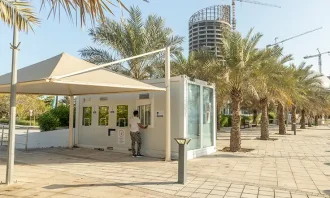
Our installation services are top-notch, delivering modular systems for any application on time in plug & play condition. We leave nothing for you to figure out, set up, or fix. All you’ve to do is just step in, and get going with your business.

Dismantling & Reassembling

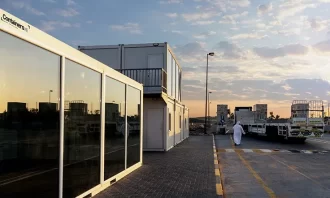
We hold a long-term view when we build modular rooms taking into consideration your changing needs. Whether it’s shifting your workspace to a new site, redesigning your unit to fit new requirements, or simply clearing the area at the end of the project, our Dismantling & Reassembling teams are pressed into service to get the job done in the quickest possible time and minimum resource wastage.

Interior Designing

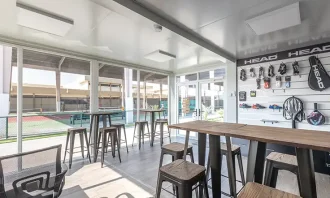
Our interior designs combine both functional and aesthetic aspects to provide you with physical and emotional comfort. We ask you for your preferences and give the best possible solutions aligned to your tastes. Our units are built to be modern, stylish, and elegant.

Bespoke Solutions

We understand that every project is unique and therefore has a different set of requirements. That’s why we believe in customizing our solutions to fit individual needs. We are equipped with the right talents, technology, and skillset to offer bespoke modular units, without compromising on turnaround time or quality.

Aftersales Service

The benefits of choosing Containers ME continues long after the installation of the units as we provide aftersales service for as long as you need. All you have to do is sign the Annual Maintenance Contract (AMC) and enjoy technical support for all the maintenance-related issues. By signing the contract, you can rest assured that a highly professional team of dedicated staff are at your service all year round to attend to your needs.

Customized Container Solutions

We specialize in Customized Container Solutions designed to meet diverse needs across the UAE. Our offerings include customized modular containers that cater to various applications, from tailor-made container solutions to bespoke container designs.

Whether you’re looking for personalized container homes or custom modular containers, we have you covered. Our customized container offices provide functional workspaces, while our customized portable containers ensure flexibility on-site. Explore our range of custom container storage units and customized cargo containers to optimize your space.

We also offer custom container leasing and custom container fabrication services, along with customized sea containers designed for secure transport. For specialized needs, our specialized container modifications will help you create the perfect solution for your requirements in both Dubai and the broader UAE.

Get a quote

Get a quote