
Blogs

How to Choose the Best Study Desk in 2026?

Choosing the best Study Desk in 2026 requires more than comparing prices and colours. It means examining posture, available space, materials, adjustability, and long-term usability. A desk beside a bright window may look attractive, yet glare can make afternoon reading uncomfortable. A compact bedroom desk may save space, but limited depth can force books and screens too close together.

Industry evidence supports a more careful approach. Grand View Research’s Office Furniture Market Report identifies continued demand for ergonomic and flexible furniture, although office furniture is only a broad proxy for the Study Desk category. BIFMA’s market outlook also highlights durability, safety, and changing user needs as important purchasing considerations. These reports do not answer every student’s problem. They offer useful direction, not a perfect shopping formula.

Ergonomics should remain central. Dr. Alan Hedge, an ergonomics researcher at Cornell University, is widely quoted as saying, “The best posture is always the next posture.” Movement matters.

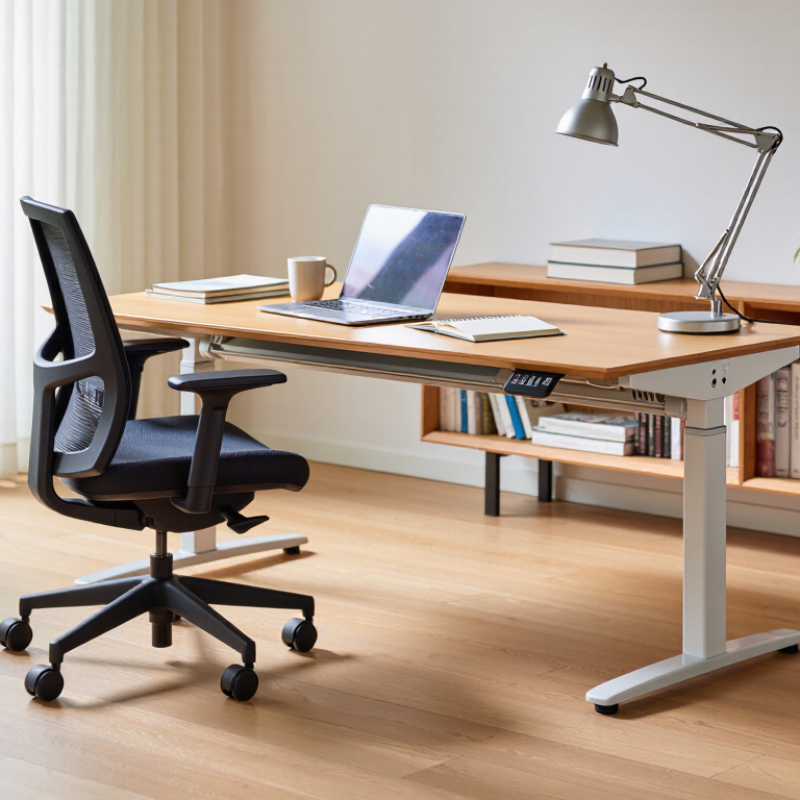
A good Study Desk should support different positions, provide enough legroom, and keep essential materials within easy reach. Check the desk height against the chair, not against a product photograph. Look for stable construction, smooth edges, cable management, and credible material certifications. A height-adjustable model can be valuable, but it is not automatically better. Motors may add cost, noise, and future maintenance.

The most expensive desk can still be unsuitable. Measure twice. Reflect honestly on study habits, room conditions, and budget before choosing a design that looks impressive but remains unused.

How to Choose the Best Study Desk in 2026?

Define Your Study Needs and Available Space

Choosing the best study desk starts with your actual study habits, not its appearance. List your tasks: reading, handwriting, laptop work, drawing, or online classes. OECD’s PISA 2022 report found that about 30% of students felt distracted by digital devices in most mathematics lessons. A desk with enough depth can separate your screen from notebooks and reduce visual clutter.

Measure the room before shopping. Record the wall width, chair clearance, window position, and power outlet locations. Leave at least 90 centimetres behind the chair when possible. The U.S. Bureau of Labor Statistics reported that 35% of employed people worked from home on an average workday in 2023. This suggests that a study desk may also need to support family calls or other home tasks. I once underestimated cable space; the desk looked tidy for one week, then became frustrating. That small mistake changed my planning.

Tips: Keep the desktop deep enough for your screen and writing area. ANSI/BIFMA ergonomic guidance supports neutral wrists, relaxed shoulders, and a monitor near eye level. Test your sitting position with a book under the monitor before buying anything. Choose adjustable height if different users share the desk. Measure twice. That advice sounds obvious, but it is easy to ignore. Keep only daily supplies within reach, and store rarely used materials elsewhere.

Compare Desk Sizes, Shapes, and Workspace Layouts

How to Choose the Best Study Desk in 2026?

A good study desk should match your room, equipment, and daily habits. Measure the available wall before choosing a size. A 100–120 cm desk suits one laptop, notebooks, and a small lamp. Students using a monitor, keyboard, and textbooks may need 140–160 cm. Keep at least 60 cm of depth for comfortable screen distance. More space is not always better. Oversized desks can make a small room feel crowded.

Shape changes how efficiently you move. A rectangular desk fits most bedrooms and supports a simple, focused layout. An L-shaped desk separates computer work from writing or drawing. It works well in a corner, but the unused side can collect clutter. A compact corner desk saves floor space, though its narrow edges may limit arm movement. I once chose a shallow desk for a small room, and the keyboard felt too close. That decision looked practical, but it was uncomfortable after long sessions.

Workspace layout matters as much as measurements. Place the screen directly in front of you, with the top near eye level. Leave space beside your dominant hand for writing. Store frequently used books within easy reach, not behind the chair. Keep cables along the rear edge to protect legroom. A desk lamp should illuminate the page without shining into your eyes. These details reflect common ergonomic practice, yet personal comfort still matters. Test the chair, reach, and surface height together before buying. A perfect layout on paper may fail in real use.


Evaluate Materials, Durability, and Construction Quality

When choosing a study desk in 2026, inspect the material before admiring its appearance. The U.S. Environmental Protection Agency reports that indoor pollutant levels can be two to five times higher than outdoor levels. Therefore, low-emission boards, sealed edges, and water-based finishes deserve attention. Ask for formaldehyde test results, not vague “eco-friendly” claims. Under EN 717-1, E1 wood products generally limit formaldehyde emissions to 0.124 mg/m³.

Look closely at construction quality. A solid desk should resist twisting when you press one corner. Its joints should feel tight, with no visible gaps around screws, dowels, or metal brackets. ANSI/BIFMA desk-testing standards evaluate stability, strength, and durability under controlled loads. A desk passing a standard test is not indestructible, but it offers better evidence than a product photograph. Check whether the frame uses welded steel, reinforced particleboard, or thin tubing. These details matter after years of daily writing.

I once trusted a heavy desktop too quickly. Its surface felt strong, but the rear panel flexed under a monitor arm. That was a useful mistake. Weight alone proves little. A 2024 report from the U.S. Consumer Product Safety Commission continues to emphasize furniture stability and tip-over prevention, especially around children. Choose broad feet, adjustable levelers, and secure cable openings. Test the drawers in person. They should open quietly and remain aligned when fully loaded.

How to Choose the Best Study Desk in 2026?

Evaluate Materials, Durability, and Construction Quality

How to read the chart: The density ranges show representative values for commonly used desk materials. Higher density can improve resistance to dents and movement, but it does not guarantee better durability by itself.

Best overall approach: Look for a desktop at least 18–25 mm thick, reinforced joints, stable legs, metal fasteners, and a moisture-resistant finish. Plywood and solid hardwood generally offer strong long-term performance, while MDF and particleboard can perform well when their edges are sealed and the frame is properly reinforced.

Check Ergonomics, Storage, Lighting, and Cable Management

Choosing the best study desk in 2026 starts with ergonomics, not appearance. Your elbows should rest near a 90-degree angle while typing. Your screen should sit close to eye level. Measure your chair and monitor before choosing desk height. A beautiful desk can still cause shoulder tension. Keep both feet flat. Sit there for ten minutes. This simple test often reveals uncomfortable edges or limited legroom.

Storage should support your study habits without swallowing the work surface. Choose one shallow drawer for pens, notes, and chargers. Open shelves can hold books, but they collect dust quickly. For lighting, place a lamp opposite your writing hand to reduce shadows. Use soft, adjustable brightness during evening sessions. Avoid reflective finishes near the light source. I prefer warm light at night, although some users stay focused with cooler tones.

Cable management deserves careful inspection. Look for a rear channel, discreet openings, and enough space beneath the desktop. Keep power cables separate from audio and display cables when possible. This reduces clutter and makes troubleshooting easier. Before buying, imagine connecting your laptop, lamp, monitor, and headphones together. I once ignored this detail, and three cables hung across my knees. It looked tidy in the showroom, but not at home. A small opening can help. It can also become a dust trap.

Set a Budget and Choose the Best Desk for 2026

Set a realistic desk budget before comparing styles, materials, or smart features. Reserve about 70% for the desk, 20% for essential accessories, and 10% for delivery or assembly. This prevents a low sticker price from becoming an expensive purchase. Measure twice.

For 2026, prioritize stability, usable space, and comfortable height adjustment over decorative extras. A practical study desk should fit your laptop, notebooks, lamp, and forearms without crowding. Leave at least 90 centimeters of clear width for focused study. Check the desk’s weight capacity, frame construction, surface thickness, and adjustment range. These details reveal more than attractive photographs. Comfort matters.

From my experience, a slightly larger desk often supports better posture because equipment stays within easy reach. I once chose a narrow model to save money, but the crowded surface made long study sessions tiring. That assumption failed.

Consider total ownership cost, including cable trays, replacement parts, and warranty coverage. A durable surface should resist ordinary scratches and moisture, while rounded edges reduce daily discomfort. If an adjustable desk exceeds your budget, choose a fixed desk with the correct height rather than sacrificing stability. Read independent user feedback carefully, especially comments about wobbling, noise, and assembly accuracy. A modest desk that fits your room and routine can outperform a feature-heavy option.

Plug & Play Installation

Our installation services are top-notch, delivering modular systems for any application on time in plug & play condition. We leave nothing for you to figure out, set up, or fix. All you’ve to do is just step in, and get going with your business.

Dismantling & Reassembling

We hold a long-term view when we build modular rooms taking into consideration your changing needs. Whether it’s shifting your workspace to a new site, redesigning your unit to fit new requirements, or simply clearing the area at the end of the project, our Dismantling & Reassembling teams are pressed into service to get the job done in the quickest possible time and minimum resource wastage.

Interior Designing

Our interior designs combine both functional and aesthetic aspects to provide you with physical and emotional comfort. We ask you for your preferences and give the best possible solutions aligned to your tastes. Our units are built to be modern, stylish, and elegant.

Bespoke Solutions

We understand that every project is unique and therefore has a different set of requirements. That’s why we believe in customizing our solutions to fit individual needs. We are equipped with the right talents, technology, and skillset to offer bespoke modular units, without compromising on turnaround time or quality.

Aftersales Service

The benefits of choosing Containers ME continues long after the installation of the units as we provide aftersales service for as long as you need. All you have to do is sign the Annual Maintenance Contract (AMC) and enjoy technical support for all the maintenance-related issues. By signing the contract, you can rest assured that a highly professional team of dedicated staff are at your service all year round to attend to your needs.

Customized Container Solutions

We specialize in Customized Container Solutions designed to meet diverse needs across the UAE. Our offerings include customized modular containers that cater to various applications, from tailor-made container solutions to bespoke container designs.

Whether you’re looking for personalized container homes or custom modular containers, we have you covered. Our customized container offices provide functional workspaces, while our customized portable containers ensure flexibility on-site. Explore our range of custom container storage units and customized cargo containers to optimize your space.

We also offer custom container leasing and custom container fabrication services, along with customized sea containers designed for secure transport. For specialized needs, our specialized container modifications will help you create the perfect solution for your requirements in both Dubai and the broader UAE.

Get a quote

Get a quote



