Blogs

How to Choose the Right Racking Equipment?

Choosing the right Racking Equipment begins with understanding the warehouse, not browsing product catalogs. Every facility has different ceiling heights, aisle widths, floor conditions, and handling routines. A narrow aisle may save space, but it can slow forklift movement and increase operating pressure. Measure carefully.

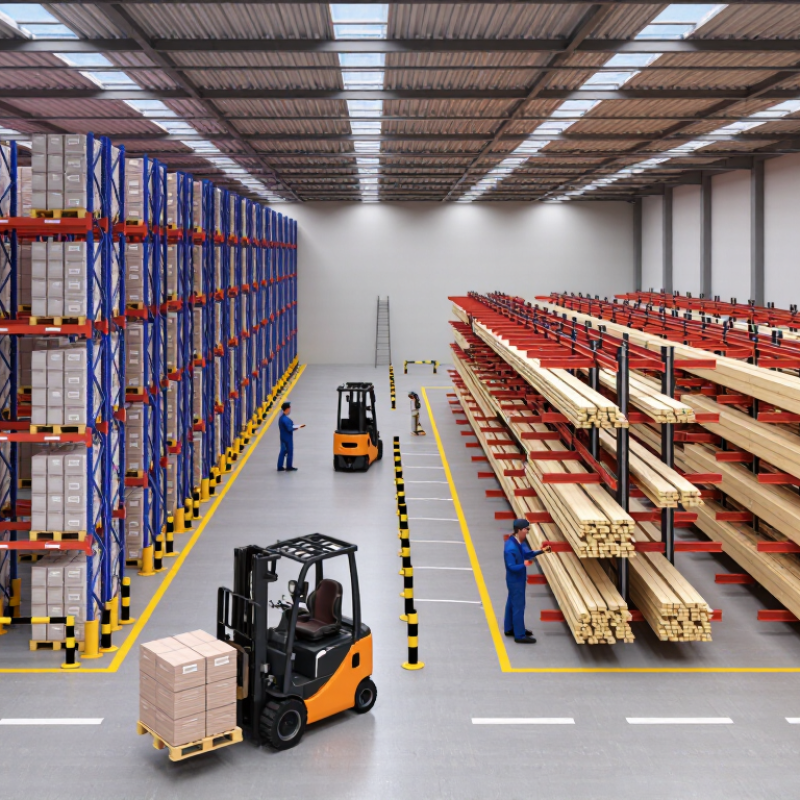
Storage goals matter just as much. Pallet dimensions, load weights, turnover rates, and access frequency should guide the decision. Selective pallet racking often suits fast-moving inventory requiring direct access. Drive-in systems may improve density, but they provide less flexibility for varied products. Cantilever racks work better for long materials, such as pipes, timber, or metal profiles.

Real warehouse experience reveals small details. A rack beam may fit the load while leaving too little clearance for safe placement. A polished specification sheet cannot show every daily difficulty. Speak with equipment engineers, forklift operators, and warehouse supervisors before final selection. Their observations often expose problems that drawings miss.

Safety and reliability must remain central. Check rated capacities, anchoring requirements, protective guards, and inspection procedures. Confirm that the equipment matches recognized industry standards and the facility’s operating conditions. Professional installation is equally important. Poorly aligned frames can create serious maintenance concerns.

No checklist is perfect. I have seen layouts change after one busy season. Leave room for growth, repairs, and human error. The best choice balances capacity, accessibility, durability, and total operating cost. This guide explains how to compare those factors with practical judgment, measurable evidence, and a willingness to reconsider early assumptions.
How to Choose the Right Racking Equipment?

Define Storage Needs, Inventory Types, and Operational Goals

How to Choose the Right Racking Equipment?

Define your storage needs before comparing racking systems. Measure the room, floor condition, ceiling height, doors, and fire protection clearances. Record pallet dimensions, unit weights, and available handling equipment. A rack that fits the drawing may fail beside a turning forklift. Small details matter.

Study your inventory, not only its total volume. Fast-moving cartons need quick access and short travel distances. Slow-moving reserve stock can use deeper storage or higher levels. Separate fragile, oversized, and irregular items from standard pallets. Group products by size, weight, turnover, and picking frequency. Label each storage zone clearly. It saves time.

Operational goals should guide the final decision. High-density storage may reduce floor use, but it can slow order picking. Selective access may improve speed while requiring more aisles. Check beam loads, frame capacity, anchoring, and inspection routines with a qualified professional. Local building and workplace requirements also need verification. Never rely on a supplier’s estimate alone.

I have seen teams measure pallet weight but ignore packaging changes. That mistake caused uneven loading and awkward handling. Review seasonal demand, future SKU growth, and equipment upgrades before installation. Leave practical room for maintenance and safe movement. Perfect planning is rare. Recheck the layout after a trial period. Real warehouse behavior often exposes assumptions that drawings cannot.


Measure Available Space, Load Capacity, and Working Clearances

How to Choose the Right Racking Equipment?

Accurate Measurements

Choosing racking equipment starts with accurate measurements, not a quick visual estimate. Measure the room’s length, width, and usable height. Record columns, doors, lights, sprinklers, pipes, and uneven floor areas. These details can remove several storage positions. A simple sketch helps expose problems early. Recheck every measurement.

Load Capacity

Load capacity must match real operating conditions. Calculate the weight of each pallet, including packaging and possible load variation. Check pallet dimensions, support points, and the required number of storage levels. Never assume that a lighter average load makes the system safe. Peak loads matter. The floor slab also needs verification, especially in older buildings. A qualified structural professional should review uncertain data.

Working Clearances and Layout Review

Working clearances affect both safety and daily productivity. Leave enough aisle width for the selected handling equipment and its turning path. Check clearance below lights, sprinklers, beams, and fire protection systems. Keep pedestrian routes separate where practical.

A few extra centimeters may prevent repeated impacts. It is easy to focus on maximum capacity and overlook movement. That is a costly mistake.

Review the layout with operators before installation. They may notice blind corners, awkward picking heights, or blocked emergency access. Even experienced planners miss something occasionally, so test the proposed layout with actual pallets and equipment.

Compare Racking Systems for Access, Density, and Flexibility

How to Choose the Right Racking Equipment?

Compare Racking Systems for Access, Density, and Flexibility

Choosing racking equipment starts with the products, not the available floor space. Measure pallet dimensions, load weights, turnover rates, and forklift movements. Selective pallet racking gives direct access to every pallet. It suits many SKUs and frequent picking, but it uses more aisle space. In a warehouse with steady, uniform products, drive-in racking can increase storage density. Access becomes more limited, however.

Double-deep racking stores more pallets while keeping reasonable selectivity. It may require specialized forklifts and careful load planning. Push-back systems offer good density and faster loading than drive-in layouts. They work well for several pallets of the same product.

Carton flow racking supports manual picking, especially when workers handle small cartons repeatedly. The front faces stay accessible, while replenishment happens from the rear.

Small details matter.

I have seen warehouses choose high-density storage, then lose time searching for fast-moving items. That mistake is expensive. Review travel paths using real order data, not assumptions. Check upright protection, beam capacity, floor conditions, and required clearances with a qualified engineer. Allow space for maintenance and future SKU changes. A flexible layout may hold fewer pallets today, but it can reduce costly rearrangement later.

No system is perfect. A practical comparison should include access time, usable capacity, equipment costs, training needs, and safe daily operation. Test the proposed layout with operators before installation. Their comments often reveal blocked sightlines and awkward turns.

Evaluate Safety Features, Compliance Standards, and Installation Needs

How to Choose the Right Racking Equipment?

Safety begins with the floor, not the frame. Check slab capacity, levelness, anchor locations, aisle width, and forklift turning paths before ordering equipment. OSHA’s powered industrial truck guidance reports about 85 workplace deaths and 34,900 serious injuries each year. Poor rack placement can increase collision exposure. Use upright guards, end-of-aisle barriers, visible load plaques, and protected sprinkler clearances. Small details matter.

Compliance should be verified against the project’s location and use. In the United States, ANSI MH16.1 addresses steel storage rack design, while OSHA 1910.176(b) requires stored materials to remain stable and secure. EN 15635 provides inspection and maintenance guidance for many European installations. Fire authorities may also require specific clearances under applicable fire codes. A qualified structural engineer should review seismic loads, beam capacity, connections, and floor conditions. Do not rely only on a supplier’s drawing.

Installation quality can decide whether a compliant design stays safe. Confirm bolt torque, frame plumbness, damaged components, and aisle measurements during handover. Photograph each inspection point. Keep records. A checklist is not enough. I would also question whether the planned load reflects real work, not an ideal spreadsheet. Pallets vary, operators rush, and layouts change. That uncomfortable gap deserves attention. Regular inspections should follow site risk, usage, and local requirements, with formal checks completed by competent personnel.

How to Choose the Right Racking Equipment?

Evaluate safety features, compliance standards, installation needs, and operational fit before selecting a warehouse racking system.

The chart uses an illustrative 100-point evaluation model: safety and compliance receive the highest priority, while installation requirements and load or aisle fit address site-specific feasibility. Relevant references may include OSHA 29 CFR 1910.176(b), ANSI MH16.1, and EN 15635. Always confirm the applicable local regulations and obtain load data from the rack manufacturer or a qualified engineer.

Select Equipment Based on Budget, Durability, and Future Expansion

How to Choose the Right Racking Equipment?

Budget should guide the design, not control it. A low-cost rack may use thinner components, limited load ratings, or fewer adjustment options. That choice can become expensive when product sizes change. The 2024 MHI Annual Industry Report found that 55% of supply chain leaders increased technology investment. Storage capacity must support that direction. Measure pallet weight, aisle width, ceiling height, and daily movement before requesting quotes. Small errors matter.

Durability protects both inventory and operations. Check beam deflection limits, upright thickness, corrosion resistance, and floor conditions. The U.S. Bureau of Labor Statistics reported 4.8 recordable injury cases per 100 full-time workers in warehousing and storage during 2022. Safer layouts need clear load labels, protected corners, and regular inspections. Use equipment rated for real working loads, not optimistic estimates. It sounds obvious.

Future expansion deserves a practical test. Leave space for additional bays, adjustable beams, and compatible handling equipment. Standardized components can reduce later disruption. My first budget model was too neat; it ignored seasonal stock and growing carton sizes. That was a mistake. Review demand forecasts for three to five years, then compare the cost of expansion with replacement. A slightly higher initial investment may provide useful flexibility, but only when the extra capacity will actually be used. Cite the MHI report and BLS figures in your project records. Reliable decisions need traceable evidence.

Plug & Play Installation

Our installation services are top-notch, delivering modular systems for any application on time in plug & play condition. We leave nothing for you to figure out, set up, or fix. All you’ve to do is just step in, and get going with your business.

Dismantling & Reassembling

We hold a long-term view when we build modular rooms taking into consideration your changing needs. Whether it’s shifting your workspace to a new site, redesigning your unit to fit new requirements, or simply clearing the area at the end of the project, our Dismantling & Reassembling teams are pressed into service to get the job done in the quickest possible time and minimum resource wastage.

Interior Designing

Our interior designs combine both functional and aesthetic aspects to provide you with physical and emotional comfort. We ask you for your preferences and give the best possible solutions aligned to your tastes. Our units are built to be modern, stylish, and elegant.

Bespoke Solutions

We understand that every project is unique and therefore has a different set of requirements. That’s why we believe in customizing our solutions to fit individual needs. We are equipped with the right talents, technology, and skillset to offer bespoke modular units, without compromising on turnaround time or quality.

Aftersales Service

The benefits of choosing Containers ME continues long after the installation of the units as we provide aftersales service for as long as you need. All you have to do is sign the Annual Maintenance Contract (AMC) and enjoy technical support for all the maintenance-related issues. By signing the contract, you can rest assured that a highly professional team of dedicated staff are at your service all year round to attend to your needs.

Customized Container Solutions

We specialize in Customized Container Solutions designed to meet diverse needs across the UAE. Our offerings include customized modular containers that cater to various applications, from tailor-made container solutions to bespoke container designs.

Whether you’re looking for personalized container homes or custom modular containers, we have you covered. Our customized container offices provide functional workspaces, while our customized portable containers ensure flexibility on-site. Explore our range of custom container storage units and customized cargo containers to optimize your space.

We also offer custom container leasing and custom container fabrication services, along with customized sea containers designed for secure transport. For specialized needs, our specialized container modifications will help you create the perfect solution for your requirements in both Dubai and the broader UAE.

Get a quote

Get a quote