Blogs

How to Use Ascophyllum Nodosum in Agriculture?

Ascophyllum Nodosum Agriculture is not a magic fix. It is a practical approach to using extracts from this brown seaweed as one tool in crop management. Growers may apply products to seeds, foliage, or soil, depending on the formulation and label directions. The aim is to support crop performance, not replace balanced nutrition, irrigation, or careful field observation.

Seaweed researcher Dr. James Craigie has reviewed the agricultural use of seaweed extracts. A practical paraphrase of his research perspective is: “Seaweed extracts may support crop management, but they cannot replace sound agronomy.” That distinction matters. Products can differ in processing, composition, and concentration, so results from one formulation may not transfer neatly to another.

A sensible trial starts small. Compare treated and untreated strips in the same field, and record the rate, timing, weather, and crop response. Watch the leaves after application. Note the roots at harvest. Do not expect every crop to respond.

Even careful trials can be messy. Soil variation, spray coverage, or a missed rainfall record may cloud the picture. That is worth admitting. This guide explains application methods, timing, product selection, and field evaluation, while keeping claims grounded in observable results. A seaweed extract can be useful. It still needs evidence from your crop and conditions.

How to Use Ascophyllum Nodosum in Agriculture?

Understanding Ascophyllum Nodosum and Its Agricultural Forms

How to Use Ascophyllum Nodosum in Agriculture?

Understanding Ascophyllum nodosum starts with its source. It is a brown seaweed that grows along cool, rocky North Atlantic shores. Farmers and growers use processed seaweed products as supplements for crop management. The raw seaweed contains minerals, carbohydrates, and naturally occurring plant compounds. Their levels vary with harvest conditions and processing. So, two products made from the same species may not perform identically. That difference matters.

Agricultural forms include liquid extracts, soluble powders, and dried meal. Liquids are commonly applied as foliar sprays or soil drenches, while powders can be mixed with water. Meal is generally incorporated into soil. Each form has different handling needs and release patterns. Ascophyllum products are not complete fertilizers, and they cannot replace a crop’s specific nutrient plan. Effects may also depend on crop type, weather, soil, and timing. Results are not guaranteed. It is worth admitting that field responses can be subtle, and one season may not tell the whole story.

Tips: Check the product’s composition and application directions. Start with a small trial area, keep untreated plants for comparison, and record growth or stress observations. Avoid assuming that more product means better results.

Choosing a Product and Application Method

Choose an Ascophyllum nodosum product by checking the guaranteed seaweed content, extraction method, formulation, and batch analysis—not just the front-label percentage. FAO’s The State of World Fisheries and Aquaculture 2022 reported 35.1 million tonnes of aquatic algae production in 2020, mostly farmed. That scale does not mean every extract performs alike: processing and storage can change its composition. Request a certificate of analysis and check contaminant results, solubility, and label directions. Evidence varies by crop and growing conditions, so avoid assuming one product will produce the same response everywhere.

Match the application method to the crop stage and equipment. Foliar sprays suit targeted leaf application; use a fine, even spray and avoid hot, windy hours. Soil drench or fertigation places the product near roots, but first confirm it passes through filters without clogging. Follow the label rate, and check compatibility before mixing with fertilizers or crop-protection products. A small test strip is more useful than guessing across an entire field.

Tips: Keep a treated strip beside an untreated one. Record the rate, date, weather, and crop stage. Results can be subtle, and one season may not tell the whole story.

Preparing and Applying Seaweed-Based Products

How to Use Ascophyllum Nodosum in Agriculture?

Ascophyllum nodosum products are sold as liquids, powders, and granules. Check the label to confirm the product is suitable for your crop and application method. For soluble products, measure carefully and mix into clean water until evenly dispersed. Do not guess the dilution rate. A clean sprayer helps prevent residue from affecting the next treatment. Seaweed products can support crop management, but they are not a replacement for balanced nutrition.

For foliar use, apply a fine, even spray to leaves during cooler, calmer hours. Avoid spraying in strong wind or when rain is expected soon. For soil application, distribute the product evenly near the active root zone, following label directions. Keep records of the rate, date, crop stage, and weather. Field response can be uneven; soil, weather, and crop condition all matter. It is tempting to expect a quick change, but results may be subtle and can take time to assess.

Tips: Test on a small area before treating an entire field. Check product compatibility before mixing it with other inputs. Rinse equipment after use, and avoid applying more often or at a higher rate than the label recommends.

Timing Applications to Match Crop Growth Stages

How to Use Ascophyllum Nodosum in Agriculture?

Timing Applications to Match Crop Growth Stages

Ascophyllum nodosum extracts are best timed around a crop’s changing needs, not applied by calendar alone. Seed treatment or an early-season drench can support establishment, while foliar sprays may suit active vegetative growth. Near flowering, a grower might test an application where heat or moisture stress threatens flower retention. Avoid spraying wilted plants in midday heat; droplets can dry before leaves absorb them. Check the product label for crop-specific rates and intervals.

Published evidence does not support one guaranteed yield increase. Khan et al. (2009) and Craigie (2011) review trials across crops and report responses that vary with crop, extract, dose, and growing conditions. That variability matters. A timing that helps a crop under mild stress may do little in a healthy, well-watered field. Compare treated and untreated strips, then record emergence, flowering, fruit set, and marketable yield. I would not judge success by greener leaves alone.

Monitoring Crop Response and Adjusting Use

Treat Ascophyllum nodosum as a crop input to evaluate, not a guaranteed yield boost. Before applying it, note the crop stage, field conditions, and any recent stress, such as heat or dry soil. Leave a small untreated strip where practical. It gives you a useful comparison. Record the product form, application rate, timing, and method, following the label directions. Keep other practices as consistent as possible.

Check the same plants or marked rows each week. Look for changes in leaf color, new growth, flowering, or visible stress. Take photos from the same spot and note rainfall or irrigation. A greener canopy can look convincing, but it does not prove the seaweed input caused the change. Compare treated and untreated areas, and consider soil tests or yield records where relevant. Results may differ across fields and seasons.

If there is no clear response, resist increasing the rate immediately. Review application timing, coverage, weather, and crop nutrition first. Change one factor at a time in a later trial, so the result is easier to interpret. If plants show damage, stop and investigate rather than repeating the treatment. The first season may feel inconclusive. That is still useful information, though field notes are easy to overlook when work gets busy. Keep records simple enough to maintain.

Plug & Play Installation

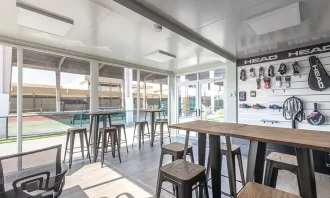
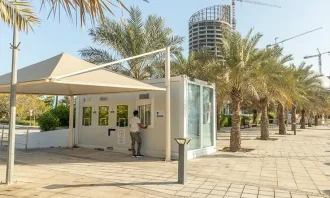
Our installation services are top-notch, delivering modular systems for any application on time in plug & play condition. We leave nothing for you to figure out, set up, or fix. All you’ve to do is just step in, and get going with your business.

Dismantling & Reassembling

We hold a long-term view when we build modular rooms taking into consideration your changing needs. Whether it’s shifting your workspace to a new site, redesigning your unit to fit new requirements, or simply clearing the area at the end of the project, our Dismantling & Reassembling teams are pressed into service to get the job done in the quickest possible time and minimum resource wastage.

Interior Designing

Our interior designs combine both functional and aesthetic aspects to provide you with physical and emotional comfort. We ask you for your preferences and give the best possible solutions aligned to your tastes. Our units are built to be modern, stylish, and elegant.

Bespoke Solutions

We understand that every project is unique and therefore has a different set of requirements. That’s why we believe in customizing our solutions to fit individual needs. We are equipped with the right talents, technology, and skillset to offer bespoke modular units, without compromising on turnaround time or quality.

Aftersales Service

The benefits of choosing Containers ME continues long after the installation of the units as we provide aftersales service for as long as you need. All you have to do is sign the Annual Maintenance Contract (AMC) and enjoy technical support for all the maintenance-related issues. By signing the contract, you can rest assured that a highly professional team of dedicated staff are at your service all year round to attend to your needs.

Customized Container Solutions

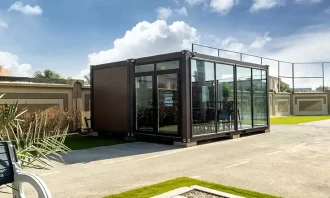
We specialize in Customized Container Solutions designed to meet diverse needs across the UAE. Our offerings include customized modular containers that cater to various applications, from tailor-made container solutions to bespoke container designs.

Whether you’re looking for personalized container homes or custom modular containers, we have you covered. Our customized container offices provide functional workspaces, while our customized portable containers ensure flexibility on-site. Explore our range of custom container storage units and customized cargo containers to optimize your space.

We also offer custom container leasing and custom container fabrication services, along with customized sea containers designed for secure transport. For specialized needs, our specialized container modifications will help you create the perfect solution for your requirements in both Dubai and the broader UAE.

Get a quote

Get a quote