Blogs

Top 10 Laser Cleaning Equipment Manufacturers in China

Laser Cleaning Equipment is moving from specialist workshops into wider industrial use. The appeal is visible on the factory floor: a focused beam removes rust, paint, or residue without abrasive media touching the part. Operators still need to control pulse energy, scan speed, and focus. A wrong setting can discolor a surface or leave residue behind.

MarketsandMarkets estimated the global laser-cleaning market at about USD 0.7 billion in 2023 and forecast growth to USD 1.3 billion by 2028. These figures are market estimates, not audited sales, and forecasts vary by research provider. They nevertheless point to rising interest in precision cleaning across manufacturing, maintenance, and restoration. For buyers, growth alone proves little. Performance depends on the material, contaminant, production rate, and service support.

Prof. Reinhart Poprawe, a recognized laser-manufacturing researcher, has advanced the idea of tailoring light to a specific process. A practical summary for cleaning is: “Match the beam to the material, not just the contaminant.” This is a paraphrase, not a verbatim quotation. The manufacturers in this guide should therefore be compared on measurable details: tested cleaning results, pulse options, extraction design, operator training, and local technical support. Ask for a sample trial. Inspect the surface afterward. That small step can reveal more than a polished brochure. Chinese suppliers differ widely, and no single specification suits every job.
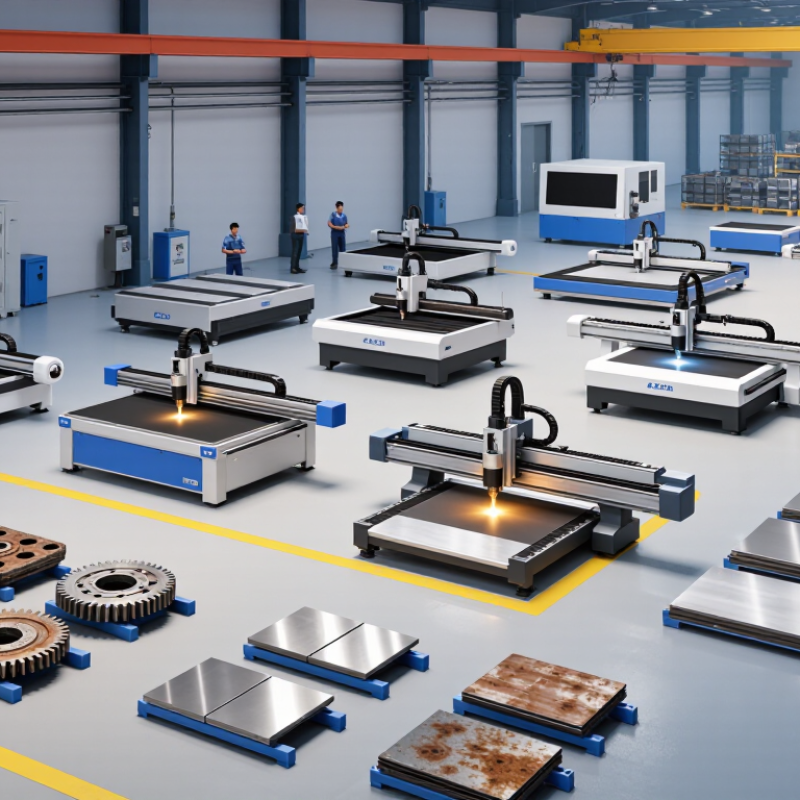
Top 10 Laser Cleaning Equipment Manufacturers in China

Laser Cleaning Fundamentals: 1,064 nm Fiber Lasers and 100–2,000 W Systems

Many industrial laser cleaning systems use fiber sources near 1,064 nm, with energy delivered through a flexible optical fiber. At this wavelength, the beam interacts differently with rust, paint, oxide, and the underlying metal. Results depend on the surface, contamination, pulse settings, and beam movement—not wavelength alone. Small details matter.

Systems rated from 100 to 2,000 W serve very different production needs. Lower-power units can suit delicate parts or controlled spot work. Higher-output systems may clean larger areas faster, but power alone does not predict quality. Pulse duration, repetition rate, scan width, and cooling design all affect the process. Thick corrosion may need several passes; thin sheet can heat quickly. Test coupons help.

When comparing equipment, request cleaning-rate measurements on representative parts and inspect trial surfaces closely. The best settings are rarely obvious from a catalog, and results can vary across one component. Record settings and surface temperature, then check coating readiness or adhesion where relevant. Include extraction, enclosure, interlocks, and operator training in the installation plan. A clean-looking surface can still vary.
Pulsed vs. Continuous-Wave Cleaning: Power, Pulse Frequency, and Heat Input

For buyers comparing laser cleaning equipment manufacturers in China, the key distinction is how energy reaches the surface. Pulsed systems release energy in short bursts; continuous-wave (CW) systems deliver it steadily. Average power alone can mislead. A 100 W pulsed source operating at 100 kHz has 1 mJ per pulse, calculated as average power divided by pulse frequency. Higher pulse energy can remove stubborn scale, while higher frequency may support smoother coverage. CW systems can process quickly, but sustained heat may discolor thin sheet metal or affect nearby coatings.

Heat input depends on more than the source type. Scan speed, spot size, overlap, pulse width, and surface reflectivity all matter. A practical trial on the actual substrate is essential; settings that lift rust from a steel bracket may damage a thin aluminum edge. The Laser Institute of America’s ANSI Z136.1-2022 and ISO 11553-1:2020 address laser safety, not universal cleaning recipes, so buyers should request measured test results and documented operating parameters.

Tips: Ask suppliers for pulse energy, frequency range, spot size, and scan speed—not just rated watts. Check the surface under magnification after a test pass. One easy detail to miss: uneven overlap can leave faint stripes, even when the surface looks clean from a distance.

Top 10 Laser Cleaning Equipment Manufacturers in China — Pulsed vs. Continuous-Wave Cleaning: Power, Pulse Frequency, and Heat Input
Configuration Laser mode Representative average output power Pulse duration Pulse frequency Approx. energy per pulse Relative heat-input tendency Common cleaning applications
1. Compact precision unit Pulsed fiber 100 W 100 ns 100 kHz 1 mJ Low to moderate when correctly tuned; localized pulses limit overall heat transfer. Light oxide, thin coatings, and precision cleaning on small parts.
2. General-purpose precision unit Pulsed fiber 200 W 100 ns 100 kHz 2 mJ Low to moderate; actual heating depends on scan speed, overlap, and material. Paint and rust removal from tools, components, and prepared surfaces.
3. Higher-throughput precision unit Pulsed fiber 300 W 100 ns 100 kHz 3 mJ Moderate at higher cleaning rates; excessive dwell can increase surface heating. Oxide and coating removal on larger metal parts and production fixtures.
4. High-power pulsed unit Pulsed fiber 500 W 100 ns 100 kHz 5 mJ Moderate; pulse energy and scanning parameters should be matched to the substrate. Faster removal of heavier corrosion or coatings from robust metal surfaces.
5. High-repetition-rate precision unit Pulsed fiber 200 W 100 ns 200 kHz 1 mJ Often distributed across more frequent, lower-energy pulses; cumulative heating remains possible. Controlled cleaning of surfaces where fine process adjustment is useful.
6. Entry-level production unit Continuous-wave (CW) fiber 500 W Continuous emission Not applicable Not applicable Moderate to high with slow scans or long dwell; heat is delivered continuously. Surface cleaning and coating removal on heat-tolerant metal parts.
7. Standard production unit Continuous-wave (CW) fiber 1,000 W Continuous emission Not applicable Not applicable Higher thermal load potential than lower-power CW settings; process speed is important. Higher-throughput rust and coating removal on robust steel surfaces.
8. High-throughput unit Continuous-wave (CW) fiber 1,500 W Continuous emission Not applicable Not applicable High heat-input potential, particularly with repeated passes over the same area. Large-area cleaning where productivity and substrate heat tolerance are priorities.
9. Heavy-duty unit Continuous-wave (CW) fiber 2,000 W Continuous emission Not applicable Not applicable High; fast scanning and suitable process settings help manage thermal effects. Industrial-scale removal of substantial rust or coatings from heavy components.
10. Very high-power unit Continuous-wave (CW) fiber 3,000 W Continuous emission Not applicable Not applicable Very high heat-input potential; suitability depends strongly on material and process control. High-rate cleaning of large, robust surfaces in industrial applications.
The title is retained for search context. The ten entries are representative equipment configurations, not a ranked manufacturer list or specifications attributed to particular suppliers. Values are illustrative examples within commonly used laser-cleaning system ranges. For pulsed systems, energy per pulse is calculated as average output power divided by pulse frequency. Actual heat input and cleaning performance depend on the material, surface condition, beam size, scan speed, pulse settings, and pass overlap; validate settings on the workpiece.

Top 10 Chinese Manufacturers: Equipment Types, Laser Sources, and Key Specifications

Chinese laser-cleaning manufacturers generally offer three equipment types: handheld pulsed systems, continuous-wave units, and automated machines integrated with production lines. Pulsed fiber lasers suit selective removal of oxide, paint, or residue from smaller areas. Continuous-wave systems often serve larger surfaces where speed matters more than fine control. The right choice depends on the substrate, coating thickness, and required finish. A quoted power rating alone is not enough.

Compare laser source, average power, pulse energy, repetition frequency, and adjustable cleaning width. For example, a narrow scan head can reach weld seams, while a wider beam covers steel panels faster. Ask whether the stated cleaning speed was measured on your material. Published figures can be optimistic. One caveat: test results may vary with operator distance and surface condition. Not always obvious.

For a practical top-ten comparison, also check cooling method, duty cycle, cable length, machine weight, and fume-extraction compatibility. Request a sample test on a representative part, then inspect for discoloration, roughness, or remaining residue. Automated units need clear details on motion control and safety interlocks; handheld models need comfortable grips and stable power delivery. Service response and spare-part availability matter too, especially for production use. Specs look tidy on paper. Shop floors are less tidy.

How to Compare Cleaning Speed (m²/h), Scan Width, and Power Efficiency

When comparing laser cleaning equipment manufacturers in China, treat cleaning speed as a test result, not a headline promise. Ask how many square meters per hour the machine can clean on your actual material, coating, and contamination level. A flat steel plate with light rust is not comparable to a welded frame with thick scale. Request a timed demonstration, and check whether the surface meets your required finish afterward. Fast is not always clean.

Scan width affects both coverage and control. A wider beam may reduce passes across a large panel, but it can make edges, corners, and narrow seams harder to handle. Compare the stated width with the usable working width at your chosen power and distance. Have the operator clean a sample containing both open areas and detailed features. Watch for missed strips or uneven results. Small details matter.

Power efficiency is more than laser output divided by electrical input. Include cooling, dust extraction, standby use, and the time needed for setup. Record energy consumption during a real cleaning cycle, then compare it with the accepted cleaned area. Keep the settings consistent. Results can shift with operator technique, and that part is often underreported. A simple log of power, scan speed, passes, and finish quality makes supplier comparisons more dependable, though it may expose how imperfect early estimates were.

Industrial Applications, Laser Safety, and Selection Criteria for Class 4 Systems

Laser cleaning equipment serves varied industrial tasks, from removing rust on steel frames to stripping paint from repairable components. It can also clear oxide from weld zones and residue from molds, where abrasive methods may damage edges. In a real workshop, results depend on the surface, coating, and operator technique—not just the laser’s rated power. Test representative parts before committing to a process.

Class 4 systems require disciplined controls because direct and reflected beams can injure eyes or skin. Use a controlled work area, suitable beam barriers, interlocks, and wavelength-specific protective eyewear. Keep reflective tools away from the beam path. Effective fume extraction matters too; coatings and contaminants can produce airborne particles. PPE alone is not enough.

When comparing Chinese manufacturers, ask for application trials, measured cleaning results, and clear operating limits. Check pulse settings, power stability, scan-head handling, cooling, extraction compatibility, and access to maintenance support. A polished specification sheet can still mislead. Request a sample clean on your material, then inspect for residue, surface change, and cycle time. The best system is not automatically the most powerful one; a small mismatch in focus or pulse energy can leave a rough finish. Selection is rarely perfect on paper, so record trial conditions and confirm them at your own production site.

Example Laser Wavelengths for Industrial Surface Processing

These are nominal wavelengths for commonly used solid-state laser sources—not a ranking of cleaning performance. The best choice depends on the material, contaminant, and required finish.

For Class 4 systems, wavelength alone does not determine safety. Assess direct and reflected beam hazards, and select appropriate guarding, interlocks, beam stops, and protective eyewear for the specific system and work area.

Plug & Play Installation

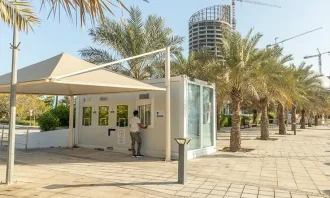
Our installation services are top-notch, delivering modular systems for any application on time in plug & play condition. We leave nothing for you to figure out, set up, or fix. All you’ve to do is just step in, and get going with your business.

Dismantling & Reassembling

We hold a long-term view when we build modular rooms taking into consideration your changing needs. Whether it’s shifting your workspace to a new site, redesigning your unit to fit new requirements, or simply clearing the area at the end of the project, our Dismantling & Reassembling teams are pressed into service to get the job done in the quickest possible time and minimum resource wastage.

Interior Designing

Our interior designs combine both functional and aesthetic aspects to provide you with physical and emotional comfort. We ask you for your preferences and give the best possible solutions aligned to your tastes. Our units are built to be modern, stylish, and elegant.

Bespoke Solutions

We understand that every project is unique and therefore has a different set of requirements. That’s why we believe in customizing our solutions to fit individual needs. We are equipped with the right talents, technology, and skillset to offer bespoke modular units, without compromising on turnaround time or quality.

Aftersales Service

The benefits of choosing Containers ME continues long after the installation of the units as we provide aftersales service for as long as you need. All you have to do is sign the Annual Maintenance Contract (AMC) and enjoy technical support for all the maintenance-related issues. By signing the contract, you can rest assured that a highly professional team of dedicated staff are at your service all year round to attend to your needs.

Customized Container Solutions

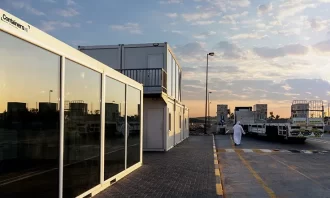
We specialize in Customized Container Solutions designed to meet diverse needs across the UAE. Our offerings include customized modular containers that cater to various applications, from tailor-made container solutions to bespoke container designs.

Whether you’re looking for personalized container homes or custom modular containers, we have you covered. Our customized container offices provide functional workspaces, while our customized portable containers ensure flexibility on-site. Explore our range of custom container storage units and customized cargo containers to optimize your space.

We also offer custom container leasing and custom container fabrication services, along with customized sea containers designed for secure transport. For specialized needs, our specialized container modifications will help you create the perfect solution for your requirements in both Dubai and the broader UAE.

Get a quote

Get a quote