
Blogs

What Is a Lavatory Drain and What Types Are Available?

A Lavatory Drain may look like a small fitting beneath a basin, but it has an important job: carrying wastewater away while helping keep odors out of the room. Look under a sink, and you may see a stopper, a metal or plastic tailpiece, and a curved trap. Each part affects how the drain works, how easily it can be cleaned, and how well it suits the basin.

Plumbing educator Roger Wakefield is a recognizable industry voice, but no verified direct quotation from him was provided for this introduction. Rather than inventing one, here is an original, clearly unattributed principle: “A dependable drain is more than an opening; its parts must work together.” That distinction matters. A pop-up drain offers convenient stopper control, while a grid drain allows water to pass without closing. Push-button and lift-and-turn designs offer other ways to manage the basin’s outlet. The right choice depends on the sink, faucet setup, maintenance needs, and daily use.

Small details count. A mismatched drain opening can complicate installation, and an unsuitable stopper may not seal properly. Some basins also require overflow-compatible hardware; others do not. Measure before buying. Check the manufacturer’s specifications, and confirm that the trap and fittings align without strain. Even then, installation can reveal surprises. That part deserves a second look. This guide explains what a Lavatory Drain does, compares common types, and outlines practical points to consider before choosing one.
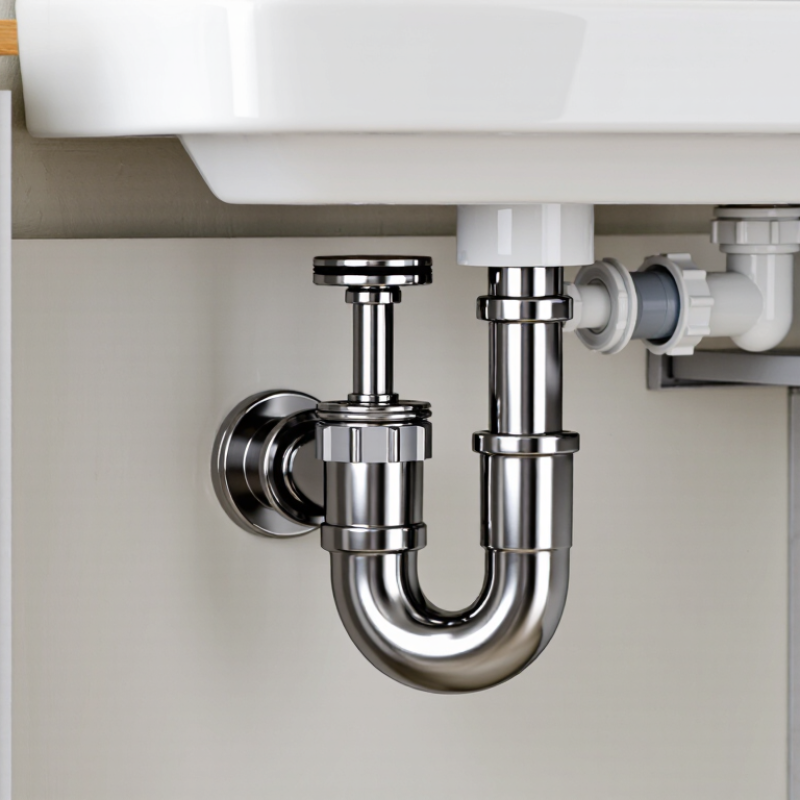
What Is a Lavatory Drain and What Types Are Available?

What Is a Lavatory Drain? The IPC’s 1¼-Inch (32 mm) Trap Standard

A lavatory drain carries used water from a bathroom sink into the waste system. The trap is the curved section beneath the basin, not the visible drain opening. It holds a small water seal that blocks sewer gases from entering the room. The measurement matters. The 2021 International Plumbing Code, Table 709.1, lists a 1¼-inch (32 mm) minimum trap size for a lavatory. This is a technical code reference, not a universal rule: local authorities may adopt different editions or amendments.

In practice, the trap connects the sink’s tailpiece to the drain line, often inside a cramped cabinet. A tape measure, the fitting label, and the pipe material can help confirm compatibility before parts are assembled. Nominal size does not always match a pipe’s measured outside diameter, so compare like with like. A 1¼-inch trap may still need an adapter to meet the existing drain connection. Check for leaks by running water and inspecting each joint with a dry tissue. Small drips show quickly. The IPC figure is useful, but it does not replace local code checks or the fitting manufacturer’s sizing instructions.


How a Lavatory Drain Works: From Basin Outlet to Trap

A lavatory drain carries water from the basin into the household waste line. At the basin outlet, a metal or plastic fitting connects the opening to a short vertical pipe called the tailpiece. A stopper sits in the outlet and controls whether water can leave. When the stopper is raised, water slips around it and into the pipe. Simple, but small gaps matter.

Below the basin, the tailpiece meets a curved trap, often shaped like a U or P. The trap holds a small pool of water after each use. That water seal helps block sewer gases from entering the room. Water flows through the trap whenever the basin drains, while the seal remains in place. If a sink sits unused for weeks, the water can evaporate. A faint sewer-like smell may follow.

Hair, soap residue, and toothpaste can collect near the stopper or inside the trap. Slow drainage often starts there, though a venting or pipe issue may also be responsible. Check the stopper area before taking apart the plumbing. If you loosen the trap, place a bucket beneath it; standing water will spill out. I have found that drain layouts are not always as tidy as diagrams suggest, so photograph the connections before removal. A persistent leak deserves careful attention.

Key Drain Components: Stopper, Strainer, Tailpiece, and P-Trap

A lavatory drain is more than the opening visible in the basin. The stopper controls whether water stays in the sink, while the strainer surrounds the drain opening and catches larger debris. Some sinks have a pop-up stopper operated by a lift rod; others use a removable plug. Small parts matter. Hair and soap film can collect around the strainer even when water still seems to flow normally.

Under the sink, the tailpiece is the short tube connecting the drain body to the P-trap. The trap’s curved section holds water, creating a seal that helps keep sewer gases out of the room. It can also catch a ring or other small object that slips down the drain. That part gets messy. A slow drain may come from buildup around the stopper linkage, not just inside the trap, so checking one spot alone can miss the cause.

When inspecting a leak, dry the pipes first and watch for fresh drops around joints. A loose connection or misplaced washer may be responsible. Plastic slip nuts are often designed for hand tightening; forcing them with a tool can damage parts. Drain layouts vary, too, so a diagram may not match the actual sink beneath your counter. It is easy to blame the P-trap, but pausing to inspect the stopper and tailpiece can save unnecessary work.

Lavatory Drain Types: Pop-Up, Grid, Push-Button, and Lift-and-Turn

A lavatory drain is the outlet assembly that carries sink water into the waste pipe and may also hold water in the basin. Pop-up drains use a small lever, usually behind the faucet, to raise or lower a stopper. They are convenient for filling the basin, but the linkage can collect hair and soap residue.

A grid drain has fixed openings and no stopper. Water passes through continuously. It suits handwashing, though it cannot hold water for rinsing.

Push-button drains open and close when pressed. The simple motion is handy, but the spring mechanism may need cleaning or replacement over time. Lift-and-turn drains use a knob that you raise and rotate to seal or release the opening. They offer direct control, though wet fingers can make the knob awkward.

Not every drain fits every basin; check the sink’s drain-hole size, overflow opening, and tailpiece before choosing. Small details matter.

Water flow affects how quickly a basin clears, but the drain type alone does not set faucet flow. The U.S. EPA WaterSense specification for bathroom faucets limits labeled models to 1.5 gallons per minute, compared with the federal 2.2-gpm maximum. This is a faucet-flow benchmark, not a drain-performance rating. A slow drain may still point to a clogged trap or poor installation. That distinction is easy to overlook.

Choosing a Drain: Match the Outlet, Overflow, and Basin Design

A lavatory drain must fit the basin outlet, not just look right on the counter. Many basins use a 1¼-inch connection, but sizes and thread details can vary. Check the basin instructions and measure the opening before buying. Small details matter. A drain that is slightly wrong may leak or need extra fittings.

Match the drain to the overflow. Basins with an overflow channel usually need a drain with side openings, allowing water to enter the drain through that channel. A basin without an overflow generally needs a solid-sided drain. It is easy to miss this distinction when shopping online. I would check the underside of the basin, too, because the overflow path is not always obvious from above.

Then consider how you want to use the sink. A pop-up or click-clack drain closes to hold water for washing; a grid drain stays open and lets water run through. Vessel basins may need a taller drain body or a deeper flange, while thinner drop-in basins can require a different seal arrangement. Dry-fit the parts before tightening them. The instructions may seem fussy, but forcing a poor fit can damage the basin or leave a slow drip. A quick leak check with a full bowl can reveal problems around the flange and tailpiece.

Article Source:

Plug & Play Installation

Our installation services are top-notch, delivering modular systems for any application on time in plug & play condition. We leave nothing for you to figure out, set up, or fix. All you’ve to do is just step in, and get going with your business.

Dismantling & Reassembling

We hold a long-term view when we build modular rooms taking into consideration your changing needs. Whether it’s shifting your workspace to a new site, redesigning your unit to fit new requirements, or simply clearing the area at the end of the project, our Dismantling & Reassembling teams are pressed into service to get the job done in the quickest possible time and minimum resource wastage.

Interior Designing

Our interior designs combine both functional and aesthetic aspects to provide you with physical and emotional comfort. We ask you for your preferences and give the best possible solutions aligned to your tastes. Our units are built to be modern, stylish, and elegant.

Bespoke Solutions

We understand that every project is unique and therefore has a different set of requirements. That’s why we believe in customizing our solutions to fit individual needs. We are equipped with the right talents, technology, and skillset to offer bespoke modular units, without compromising on turnaround time or quality.

Aftersales Service

The benefits of choosing Containers ME continues long after the installation of the units as we provide aftersales service for as long as you need. All you have to do is sign the Annual Maintenance Contract (AMC) and enjoy technical support for all the maintenance-related issues. By signing the contract, you can rest assured that a highly professional team of dedicated staff are at your service all year round to attend to your needs.

Customized Container Solutions

We specialize in Customized Container Solutions designed to meet diverse needs across the UAE. Our offerings include customized modular containers that cater to various applications, from tailor-made container solutions to bespoke container designs.

Whether you’re looking for personalized container homes or custom modular containers, we have you covered. Our customized container offices provide functional workspaces, while our customized portable containers ensure flexibility on-site. Explore our range of custom container storage units and customized cargo containers to optimize your space.

We also offer custom container leasing and custom container fabrication services, along with customized sea containers designed for secure transport. For specialized needs, our specialized container modifications will help you create the perfect solution for your requirements in both Dubai and the broader UAE.

Get a quote

Get a quote