Blogs

What is Local Exhaust Ventilation and How Does it Work?

Local Exhaust Ventilation (LEV) plays a crucial role in maintaining occupational health and safety. According to a report by the National Institute for Occupational Safety and Health (NIOSH), LEV systems can reduce airborne contaminants by up to 90%. This significant reduction is essential for industries like welding, painting, and chemical processing, where exposure to harmful substances is common.

Dr. Emily Johnson, a leading expert in industrial hygiene, states, "Effective Local Exhaust Ventilation is vital in protecting workers from hazardous materials." This highlights the importance of LEV in safeguarding employee well-being. In many workplaces, however, LEV systems are underutilized or improperly maintained. Workers may still face risks if systems are not functioning optimally.

In conclusion, understanding the mechanisms behind Local Exhaust Ventilation is key. While benefits are evident, ongoing education and system assessment remain necessary. Proper implementation can lead to healthier work environments, but challenges persist that need addressing. Companies must prioritize LEV to ensure a safer future for their workforce.
What is Local Exhaust Ventilation and How Does it Work?

What is Local Exhaust Ventilation?

Local exhaust ventilation (LEV) is a crucial system used in various industries to maintain a safe working environment. It captures and removes harmful airborne contaminants at their source. This method reduces workers' exposure to dust, fumes, and gases, thus improving air quality. LEV systems draw in contaminated air through hoods, which are strategically placed near the sources of pollutants.

The efficiency of a local exhaust ventilation system depends on its design and placement. It should be tailored to the specific contaminants present in the workplace. For example, a fume hood installed correctly will minimize hazardous exposure while ensuring the flow of air meets safety regulations. Neglecting the maintenance of these systems can lead to decreased effectiveness. Regular inspection is necessary to ensure optimal performance and worker safety.

Tips for ensuring LEV effectiveness include ensuring proper hood placement and maintaining consistent airflow. Evaluate system performance periodically to identify any issues. Training staff on the proper use of LEV systems enhances awareness of potential hazards. Adapting various strategies can lead to a safer environment, but reliance solely on ventilation systems should not replace other safety measures. Awareness and continuous improvement are key aspects of a successful occupational health program.

The Importance of Local Exhaust Ventilation in Workplaces

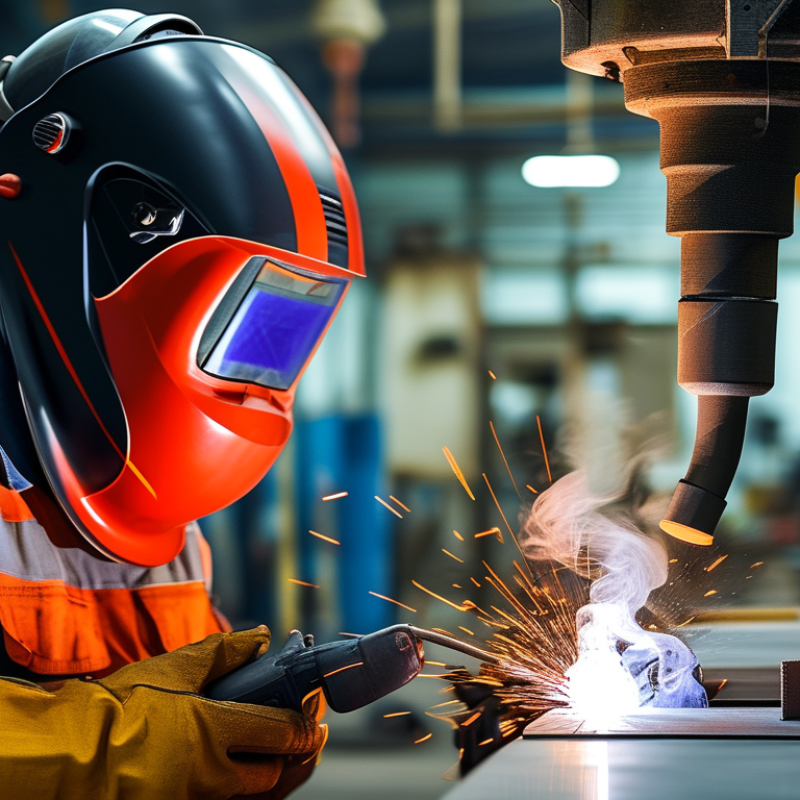
Local exhaust ventilation (LEV) is crucial in keeping workplaces safe. It works by capturing harmful substances at the source. For instance, in a welding shop, a localized hood removes smoke and fumes before they disperse into the air. This system significantly reduces exposure to toxic chemicals, benefitting employees’ health.

In environments like laboratories or factories, LEV plays an essential role. It helps prevent respiratory issues and other health risks. However, many workplaces overlook its maintenance. Regular checks ensure that the system functions effectively. If not done, harmful particles may still escape. Awareness of these elements is vital for creating a safe working environment.

Installing LEV can be complex. It requires proper planning to match the workspace’s needs. Employees should receive training on LEV usage. Understanding how and when to use it can enhance safety. Despite its benefits, not all companies prioritize proper ventilation. Reflecting on these practices is necessary for ongoing health and safety improvement.

How Local Exhaust Ventilation Systems Operate

Local Exhaust Ventilation (LEV) systems are designed to capture airborne contaminants at their source. These systems function by using hoods, ducts, and fans to draw pollutants away from workers. This minimizes exposure to hazardous substances, improving workplace air quality. According to the American Industrial Hygiene Association, effective LEV systems can reduce airborne contaminants by up to 95%.

Effective operation of LEV systems involves several critical factors. Hood design must fit the particular processes used. Proper airflow is essential to successfully capture the contaminants. The balance of duct size and length affects efficiency too. Regular maintenance is vital, as clogged filters can obstruct airflow and diminish effectiveness. Data from the National Institute for Occupational Safety and Health highlights that poorly maintained LEV systems can lead to exposure levels exceeding safety guidelines.

Adequate training is also crucial. Workers should understand the proper use of LEV systems. Awareness of potential hazards and maintenance requirements helps keep the environment safe. Consideration should be given to the types of materials handled and their specific risks. Regular assessments can identify areas for improvement. Promoting a culture of safety is key, as even the best systems require commitment to be effective.

Benefits of Implementing Local Exhaust Ventilation

Local exhaust ventilation (LEV) systems provide significant benefits in various work environments. By capturing and removing harmful contaminants at their source, LEV helps maintain safe air quality. Workers exposed to dust, fumes, or vapors experience reduced health risks. This is especially crucial in industries like manufacturing, where hazardous substances are common.

Implementing LEV systems can lead to increased productivity. Clean air allows employees to focus better on their tasks. Moreover, these systems can reduce downtime associated with health issues, leading to fewer sick days. However, installing and maintaining LEV requires a thoughtful approach. Regular checks ensure systems operate effectively, yet some workplaces may overlook this.

Establishing a robust LEV system can be costly initially, but the long-term health benefits justify the investment. It fosters a culture of safety and demonstrates a company's commitment to employee well-being. Balancing cost and benefit requires careful planning. Finding the right ventilation solution involves assessing specific needs and potential challenges.

What is Local Exhaust Ventilation and How Does it Work? - Benefits of Implementing Local Exhaust Ventilation

Dimension Description Benefits
Airflow Rate The volume of air moved through the system, usually measured in cubic feet per minute (CFM). Effective capture of pollutants at the source, reducing exposure and improving air quality.
Capture Efficiency The percentage of contaminants that are captured by the local exhaust system. Increased safety for workers by minimizing inhalation of hazardous substances.
Energy Consumption The amount of energy used by the ventilation system, often measured in kilowatt-hours. Potential for energy savings through efficient system design and operation.
Maintenance Requirements How often the system needs to be inspected and serviced to operate effectively. Ensures continued performance and safety, reducing long-term costs.
Installation Cost Initial expenses associated with setting up the local exhaust ventilation system. Cost-effective in preventing worker illness and costly safety incidents.

Common Applications and Industries Utilizing Local Exhaust Ventilation

Local Exhaust Ventilation (LEV) is essential in various workplaces. Many industries implement LEV systems to manage hazardous substances effectively. For instance, woodworking shops utilize LEV to remove dust and wood particles, ensuring clean air. Metalworking industries deploy such systems to extract fumes and particles generated during welding and machining.

In chemical manufacturing, the control of volatile organic compounds is critical. LEV helps minimize exposure by capturing harmful vapors at source points. Laboratories also benefit from LEV, which protects staff from toxic chemicals during experiments. Despite these advantages, some workplaces face challenges in maintaining and monitoring these systems. Regular checks are crucial for effective filtration and airflow.

Reevaluating LEV systems can reveal opportunities for improvement. Staff training on proper usage is often overlooked. Engaging employees in the process can enhance system efficiency. This involves understanding airflow dynamics and recognizing when equipment needs servicing. Continuous assessment ensures LEV systems operate at peak performance, promoting safety in diverse industries.

Plug & Play Installation

Our installation services are top-notch, delivering modular systems for any application on time in plug & play condition. We leave nothing for you to figure out, set up, or fix. All you’ve to do is just step in, and get going with your business.

Dismantling & Reassembling

We hold a long-term view when we build modular rooms taking into consideration your changing needs. Whether it’s shifting your workspace to a new site, redesigning your unit to fit new requirements, or simply clearing the area at the end of the project, our Dismantling & Reassembling teams are pressed into service to get the job done in the quickest possible time and minimum resource wastage.

Interior Designing

Our interior designs combine both functional and aesthetic aspects to provide you with physical and emotional comfort. We ask you for your preferences and give the best possible solutions aligned to your tastes. Our units are built to be modern, stylish, and elegant.

Bespoke Solutions

We understand that every project is unique and therefore has a different set of requirements. That’s why we believe in customizing our solutions to fit individual needs. We are equipped with the right talents, technology, and skillset to offer bespoke modular units, without compromising on turnaround time or quality.

Aftersales Service

The benefits of choosing Containers ME continues long after the installation of the units as we provide aftersales service for as long as you need. All you have to do is sign the Annual Maintenance Contract (AMC) and enjoy technical support for all the maintenance-related issues. By signing the contract, you can rest assured that a highly professional team of dedicated staff are at your service all year round to attend to your needs.

Customized Container Solutions

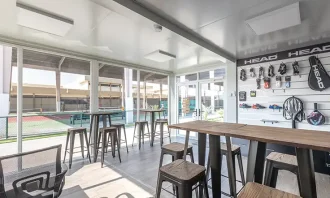
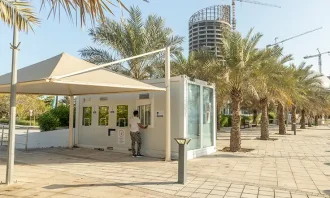
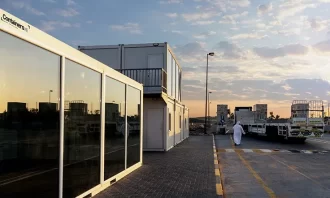
We specialize in Customized Container Solutions designed to meet diverse needs across the UAE. Our offerings include customized modular containers that cater to various applications, from tailor-made container solutions to bespoke container designs.

Whether you’re looking for personalized container homes or custom modular containers, we have you covered. Our customized container offices provide functional workspaces, while our customized portable containers ensure flexibility on-site. Explore our range of custom container storage units and customized cargo containers to optimize your space.

We also offer custom container leasing and custom container fabrication services, along with customized sea containers designed for secure transport. For specialized needs, our specialized container modifications will help you create the perfect solution for your requirements in both Dubai and the broader UAE.

Get a quote

Get a quote