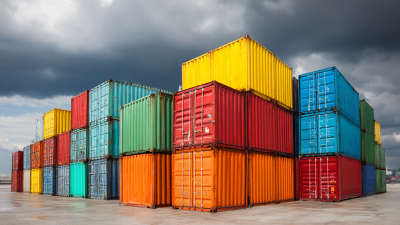
In today's rapidly evolving logistics landscape, optimizing container storage is crucial. Efficient space management can significantly impact operational costs and productivity. Every inch of storage matters in a world where real estate is expensive. Proper container storage techniques enable businesses to make the most of available space.
However, many companies overlook the importance of container storage strategies. Without a structured approach, businesses may face clutter, disorganization, and wasted resources. Finding the balance between accessibility and capacity can be challenging. A thoughtful design can increase efficiency while reducing clutter.
Innovative solutions, like vertical storage systems, can maximize container storage. Investing in technology also aids in tracking and organizing containers better. Yet, it's essential to regularly review these systems. What works today may not work tomorrow. Reflect on the limitations of your current setup. In this dynamic environment, the need for adaptability is clear.
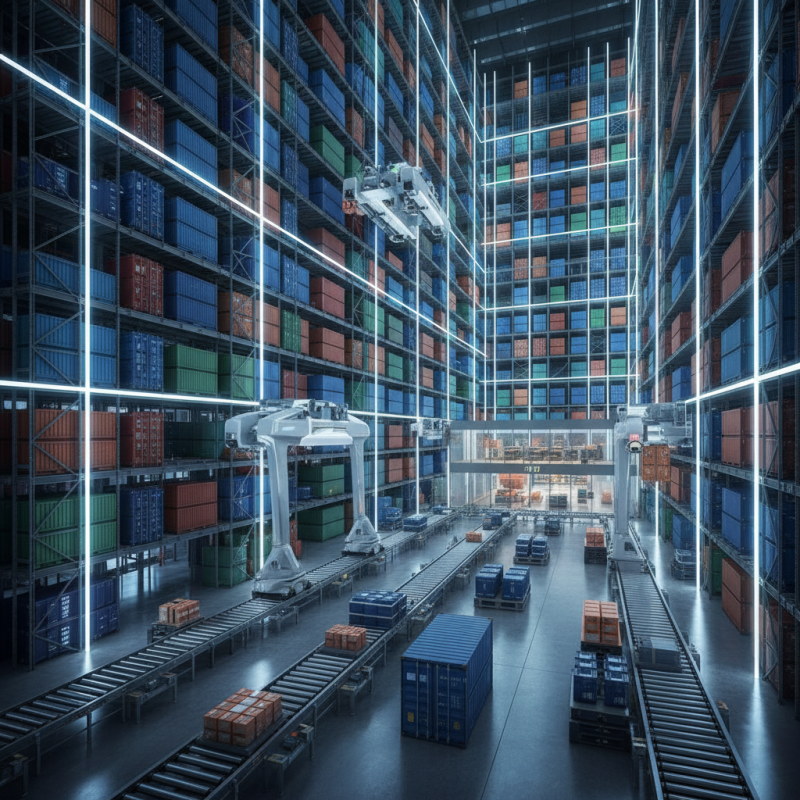
Analyzing current container storage utilization rates is crucial for optimizing space management. According to a recent industry report, nearly 30% of container storage space is underutilized. This inefficiency results in lost revenue and increased operational costs. Companies need to evaluate how frequently containers are used and identify any excess inventory.
Visual metrics can unveil significant insights. For example, using heat maps to analyze storage activity can highlight overcrowded areas. This allows teams to recognize patterns and adjust storage solutions. Additionally, implementing real-time tracking systems has been shown to improve placement strategies. One study revealed that such systems can reduce empty containers by up to 25%. However, tracking strategies often require upfront investment, which may deter some businesses.
Moreover, it's essential to involve staff in this analysis. They provide valuable information about daily operations. Yet, resistance to change can present challenges. Staff may be reluctant to accept new processes. Encouraging feedback through surveys can help address concerns and lead to more effective space utilization strategies.

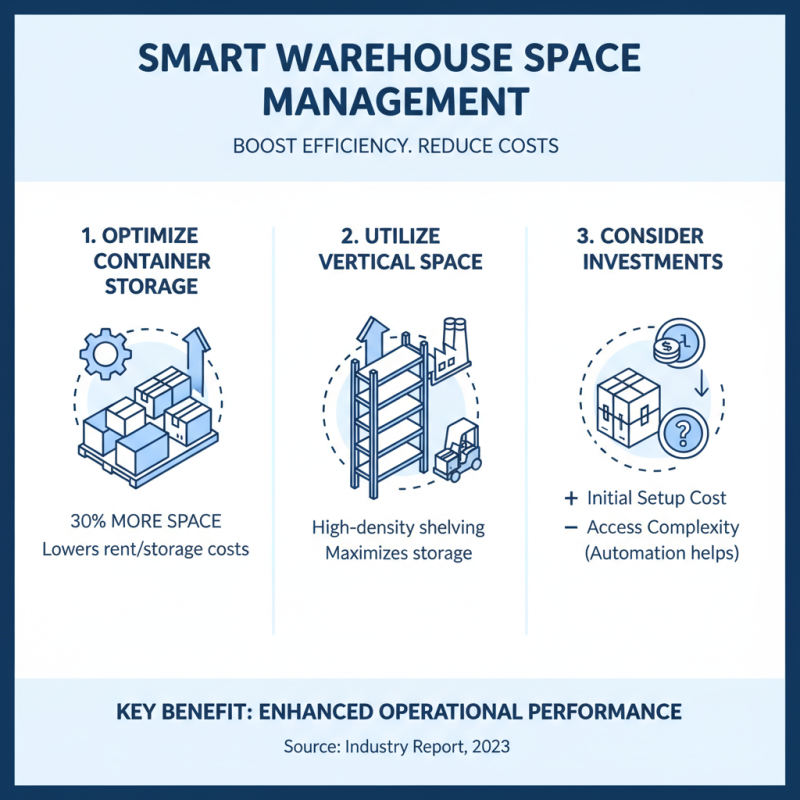
Efficient space management in warehousing can significantly enhance operational performance. According to a recent industry report, optimizing container storage can lead to a 30% increase in available space. This is critical as warehouses face rising rents and storage costs. Utilizing vertical space by implementing high-density shelving can maximize storage efficiency. However, it demands initial investment and may complicate access to goods.
Automation technologies also play a vital role. Automated storage and retrieval systems (AS/RS) can reduce labor costs by up to 50%. These systems enable faster retrieval of goods but may require thorough training for staff. Additionally, they do not eliminate the need for manual inspections and maintenance. This duality often creates lingering concerns about reliability and fallback options.
Moreover, the integration of data analytics is essential for effective space optimization. Through analytics, warehouses can track inventory turnover and adjust storage practices accordingly. Yet, not all warehouses are tech-savvy. Many may struggle with implementation due to limited resources. The gap between potential and actual performance often lies in the willingness to adapt and innovate. These challenges must be addressed for a successful transition to modern warehousing practices.
Efficient container storage hinges on proper categorization. Start by creating clear categories based on container size and type. Consider variables such as frequency of use. Some containers might be essential for daily operations, while others are seldom needed. This insight helps prioritize their placement.
Prioritizing storage needs can be challenging. It’s easy to overlook less frequently used items. A cluttered storage area can lead to confusion. Group similar items together. This approach simplifies finding what you need when you need it. Regularly review your container inventory. Adjust categories and prioritize based on changing needs.
Use visual cues to enhance organization. Labels can guide users quickly. Color-coding different categories might be helpful too. This method minimizes time wasted searching. However, it’s worth noting that over-labeling can create noise. Aim for simplicity and clarity. Engage your team in this process. Their input can reveal blind spots. Always be open to adjustments based on feedback.
In the logistics industry, optimizing container storage is pivotal for space management. A report by the World Economic Forum states that effective space utilization can improve operational efficiency by up to 30%. Companies are now turning to data analytics to tackle this challenge. By analyzing historical shipping data, organizations can predict demand patterns and adjust their storage strategies accordingly. This proactive approach allows for a more flexible container allocation.
Data analytics can also identify inefficiencies in current storage practices. For instance, a 2022 study revealed that mismanaged space resulted in 20% of containers being underutilized. This not only wastes physical space but also incurs extra costs. Companies must reflect on their existing systems. Are they truly maximizing the use of their storage capacity? Tools like machine learning algorithms can help uncover these insights, yet many logistics operators remain hesitant to integrate such technologies fully.
Moreover, real-time analytics can improve decision-making during peak times. When demand spikes, knowing which containers can be moved or repositioned can prevent costly delays. However, some organizations struggle with data integration across platforms. This disjointed approach often leads to missed opportunities for optimization. Embracing a cohesive data strategy is essential for those who wish to enhance container space management and realize substantial benefits.
Container storage management is evolving rapidly. As businesses face increasing demands for space, optimization becomes crucial. Flexible storage solutions are emerging as a key trend. They allow companies to adapt quickly to changing needs. By utilizing modular designs, operations can increase their storage capacity without significant infrastructure changes.
Automation is another significant trend in container storage. Automated systems manage inventory efficiently. They reduce human error and maximize space utilization. However, relying heavily on automation can lead to issues. Technical failures or system glitches may cause operational delays. Companies must balance technology with human oversight to maintain efficiency.
Sustainability is also gaining traction. Many organizations are exploring eco-friendly materials for containers. This shift not only helps the environment but can also improve brand image. However, not all sustainable options perform equally. Careful consideration is needed when selecting materials. Testing and evaluation become essential in ensuring that choices offer the desired performance without compromising efficiency.
| Storage Solution | Capacity (Units) | Efficiency (%) | Cost per Unit ($) | Integration (Time in Days) |
|---|---|---|---|---|
| Automated Racking Systems | 500 | 95 | 200 | 30 |
| Vertical Storage Solutions | 300 | 90 | 150 | 25 |
| Modular Container Systems | 400 | 85 | 180 | 20 |
| Smart Inventory Management | 600 | 92 | 220 | 35 |
Subscribe to our newsletter for the latest news and exclusive offers.
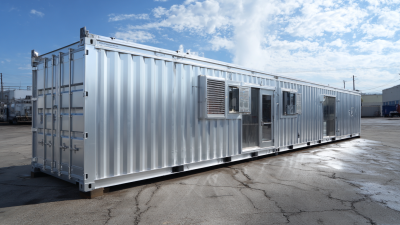
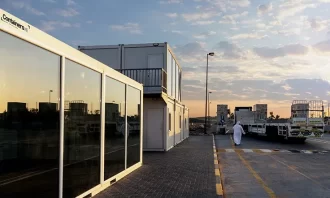
We hold a long-term view when we build modular rooms taking into consideration your changing needs. Whether it’s shifting your workspace to a new site, redesigning your unit to fit new requirements, or simply clearing the area at the end of the project, our Dismantling & Reassembling teams are pressed into service to get the job done in the quickest possible time and minimum resource wastage.
We understand that every project is unique and therefore has a different set of requirements. That’s why we believe in customizing our solutions to fit individual needs. We are equipped with the right talents, technology, and skillset to offer bespoke modular units, without compromising on turnaround time or quality.
The benefits of choosing Containers ME continues long after the installation of the units as we provide aftersales service for as long as you need. All you have to do is sign the Annual Maintenance Contract (AMC) and enjoy technical support for all the maintenance-related issues. By signing the contract, you can rest assured that a highly professional team of dedicated staff are at your service all year round to attend to your needs.
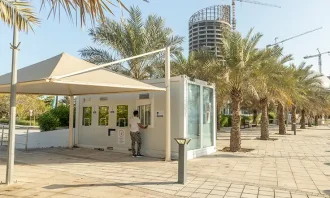
We specialize in Customized Container Solutions designed to meet diverse needs across the UAE. Our offerings include customized modular containers that cater to various applications, from tailor-made container solutions to bespoke container designs.
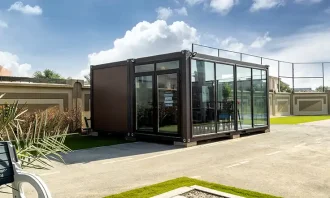
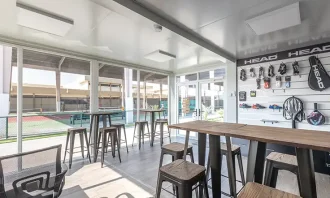
Whether you’re looking for personalized container homes or custom modular containers, we have you covered. Our customized container offices provide functional workspaces, while our customized portable containers ensure flexibility on-site. Explore our range of custom container storage units and customized cargo containers to optimize your space.
We also offer custom container leasing and custom container fabrication services, along with customized sea containers designed for secure transport. For specialized needs, our specialized container modifications will help you create the perfect solution for your requirements in both Dubai and the broader UAE.