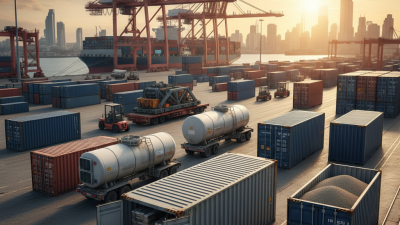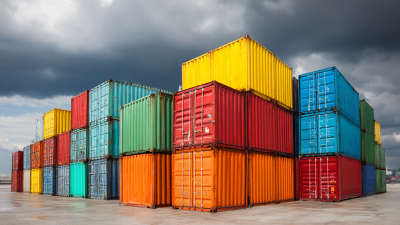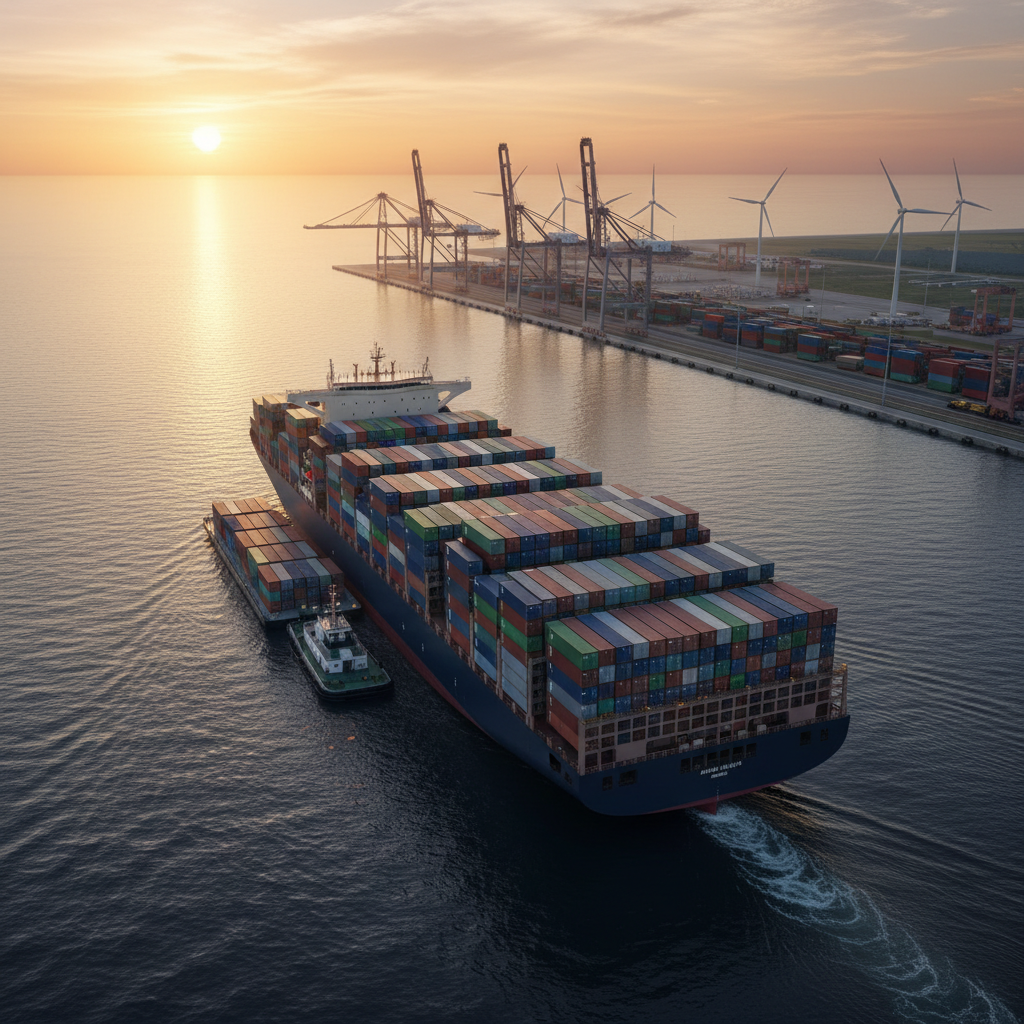
In the modern shipping industry, cargo containers serve as the backbone of global trade, ensuring efficient and secure transportation of goods across vast distances. Renowned logistics expert Dr. Emily Roberts, a leading figure in supply chain management, aptly states, "Cargo containers revolutionized the shipping industry by standardizing transport and significantly reducing transit times." This innovation has not only facilitated international trade but has also optimized logistics processes for businesses worldwide.
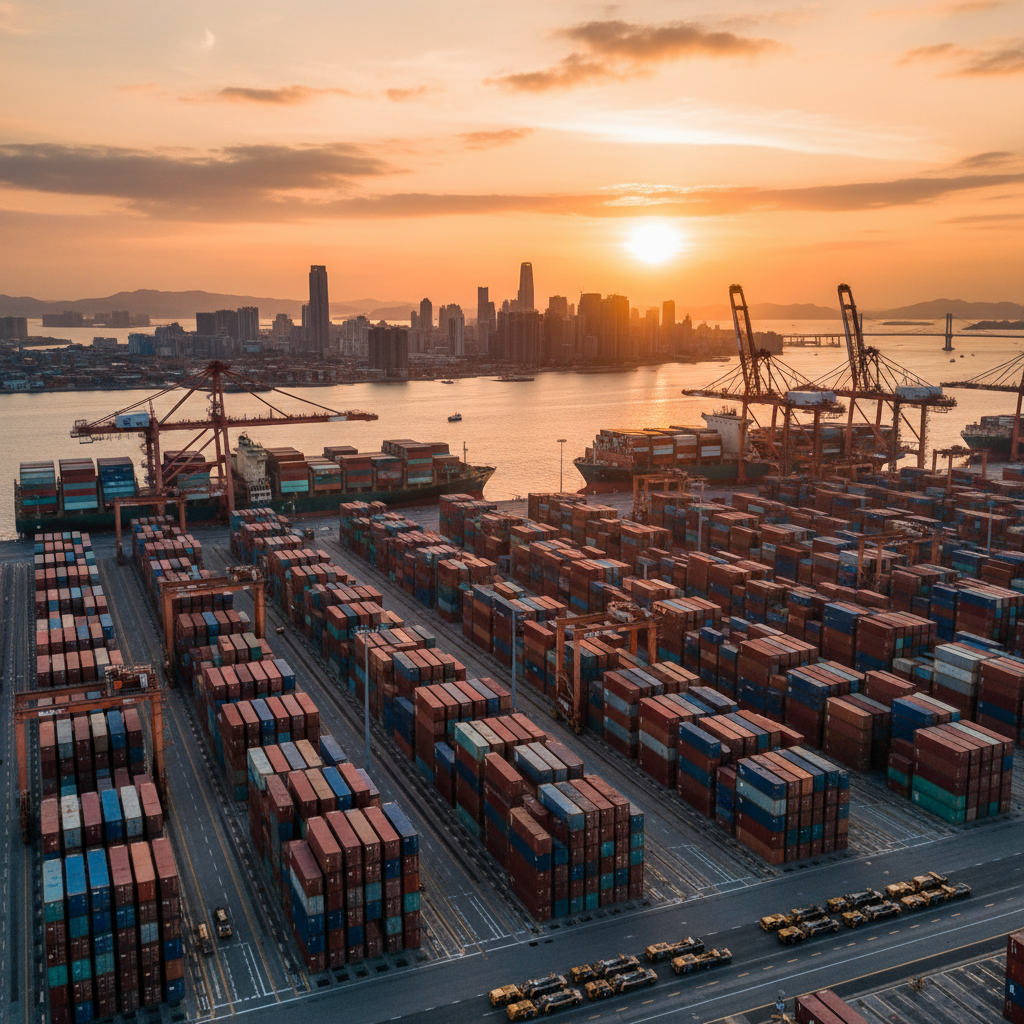
The purpose of cargo containers extends beyond mere transportation; they symbolize the evolution of trade practices, enabling the movement of diverse commodities in a unified manner. These standardized units have become essential for shipping companies, creating a seamless flow of goods from manufacturers to consumers. By utilizing cargo containers, businesses can minimize damage risks, simplify loading and unloading procedures, and track shipments with unparalleled accuracy.
As we explore the critical role of cargo containers in the modern shipping landscape, it becomes evident that their impact reaches far beyond the docks and ports. They are pivotal in meeting the demands of a globalized economy, showcasing how a simple yet ingenious solution can drive efficiency and growth in the ever-evolving logistics sector.
Cargo containers play a crucial role in the dynamics of global trade, serving as the backbone of modern shipping. As international commerce evolves, the design and functionality of these containers have enhanced the efficiency of supply chains across the globe. With the rise of ultra-large container vessels (ULCVs), shipping routes are being reconfigured to accommodate larger shipments, which has led to significant changes in trade volume and shipping frequency. These shifts not only streamline exports and imports but also respond to the fluctuating demands of international markets.
Recent developments underscore the resilience of container shipping amidst economic challenges such as tariffs and market volatility. For instance, the Port of Oakland has managed to maintain container volumes in light of uncertain tariff negotiations, driven by steady export demand. This highlights the adaptability of the container shipping industry, which is increasingly characterized by strategic adjustments to meet the evolving landscape of global trade. As freight rates fluctuate due to a combination of external pressures and structural changes, the importance of cargo containers remains paramount for facilitating seamless trade transitions and supporting economic stability worldwide.

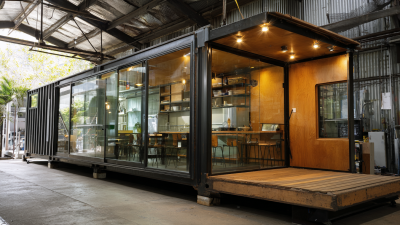
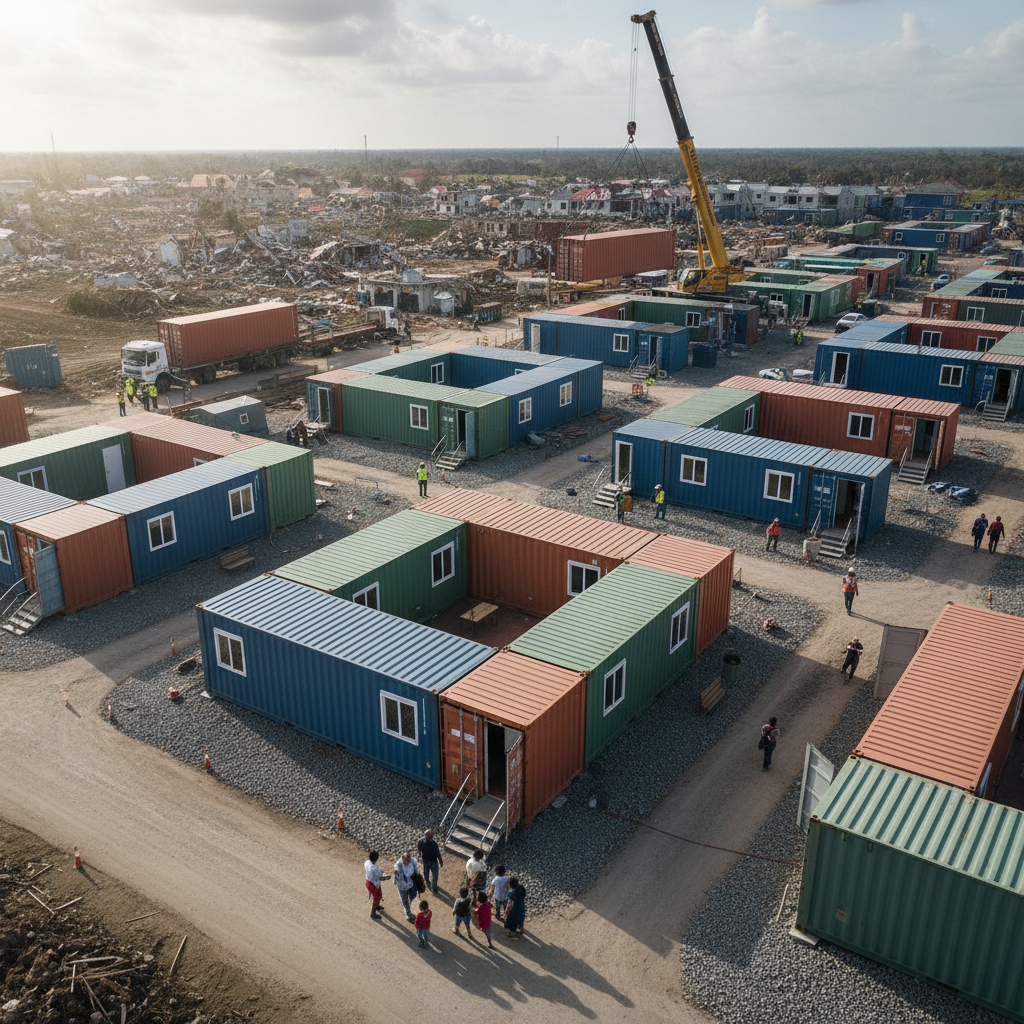
Cargo containers have revolutionized the modern shipping industry by providing several key advantages that enhance efficiency and cost-effectiveness. One notable advantage is their ability to facilitate rapid deployment. Whether used in traditional shipping routes or for disaster relief efforts, cargo containers can be quickly assembled and repurposed into housing solutions. This agility is critical in emergency situations, where timely housing can make a significant difference for those affected.
Moreover, cargo containers offer cost-effectiveness in both shipping and living arrangements. Their structural integrity allows them to be used as durable and sustainable housing, which is particularly beneficial in disaster-stricken areas or regions facing housing shortages. The trend towards foldable and transformable container homes exemplifies this, as these designs maximize space while minimizing costs. By leveraging the inherent advantages of cargo containers, modern shipping operations can not only move goods efficiently but also contribute positively to addressing global housing crises.
The evolution of cargo container design and technology has dramatically transformed the modern shipping industry. Initially, cargo containers were simple steel boxes, primarily used for transporting goods over short distances. However, recent advancements, such as the introduction of nuclear-powered container ships, demonstrate a shift towards innovative and eco-friendly solutions. For instance, the new designs utilizing small modular reactors aim to reduce carbon emissions significantly, aligning with global efforts toward maritime decarbonization.
Moreover, the versatility of shipping containers has extended beyond transportation. Creative adaptations, such as using containers for emergency disaster relief or even transforming them into retail spaces, showcase their potential in varied contexts. However, it’s essential to consider the environmental impact of these adaptations, especially concerning the eco-friendliness of shipping container housing.
**Tips**: When considering using cargo containers for construction or other uses, assess the sustainability of the project. Look into efficient energy solutions, such as incorporating renewable resources like solar power and CO2 capture technologies, which are increasingly being developed within container structures.
This bar chart illustrates the evolution of cargo containers in the shipping industry over time. It showcases the increasing reliance on containers from the 1910s to the 2020s, reflecting significant growth in global trade and shipping practices.
When selecting a cargo container for your shipping needs, it's essential to consider various factors to ensure optimal efficiency and cost-effectiveness. According to the International Maritime Organization, over 80% of global trade by volume is carried by sea, making the choice of container a crucial aspect of logistics. First and foremost, assess the type of goods you plan to transport. For perishable items, refrigerated containers (reefer containers) are necessary, maintaining temperatures between -25°C to +25°C, while dry containers are suitable for non-perishable goods.
Additionally, the size of the container plays a significant role in determining shipping costs and capacity. Standard container sizes include 20-foot and 40-foot options, with the latter offering approximately 67 cubic meters of space. Industry reports indicate that optimizing container utilization can lead to cost savings of up to 25% in logistics. It's vital to match the container size to your shipment volume, as underutilization can result in unnecessary expenses. Lastly, ensuring the container's integrity by checking for any signs of damage is crucial, as the safety of your cargo and compliance with international shipping regulations rely on using containers in good condition.
| Container Type | Dimensions (L x W x H) | Max Weight (kg) | Volume (m³) | Typical Uses |
|---|---|---|---|---|
| Standard Container | 20' x 8' x 8.5' | 30,480 | 33.2 | General cargo |
| High Cube Container | 40' x 8' x 9.5' | 30,480 | 76.4 | Voluminous goods |
| Flat Rack Container | 20' x 8' x 8' | 30,480 | 33.2 | Heavy equipment, oversized cargo |
| REEFER Container | 40' x 8' x 9.5' | 30,480 | 67.7 | Perishable goods |
| Open Top Container | 40' x 8' x 8.5' | 30,480 | 76.4 | Heavy and bulky cargo |
Cargo containers play a crucial role in the modern shipping industry, not only facilitating the efficient transport of goods but also influencing sustainable shipping practices. The standardization of cargo containers has led to significant efficiencies in logistics, reducing the carbon footprint associated with shipping. By optimizing space on vessels and enabling intermodal transport, cargo containers minimize the number of trips required to move goods, thus lowering greenhouse gas emissions.
Moreover, the use of cargo containers promotes sustainable practices through recycling and repurposing. Many shipping companies are now exploring innovative ways to reuse containers, transforming them into modular homes, offices, or even community spaces. This shift not only mitigates waste but also encourages a circular economy within the shipping industry. As companies strive to adhere to environmental regulations and consumer expectations for sustainability, the role of cargo containers becomes increasingly vital in ensuring that the shipping industry can meet both economic and ecological goals.
Subscribe to our newsletter for the latest news and exclusive offers.
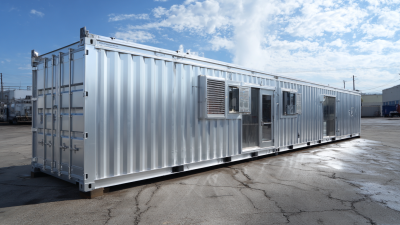
We hold a long-term view when we build modular rooms taking into consideration your changing needs. Whether it’s shifting your workspace to a new site, redesigning your unit to fit new requirements, or simply clearing the area at the end of the project, our Dismantling & Reassembling teams are pressed into service to get the job done in the quickest possible time and minimum resource wastage.
We understand that every project is unique and therefore has a different set of requirements. That’s why we believe in customizing our solutions to fit individual needs. We are equipped with the right talents, technology, and skillset to offer bespoke modular units, without compromising on turnaround time or quality.
The benefits of choosing Containers ME continues long after the installation of the units as we provide aftersales service for as long as you need. All you have to do is sign the Annual Maintenance Contract (AMC) and enjoy technical support for all the maintenance-related issues. By signing the contract, you can rest assured that a highly professional team of dedicated staff are at your service all year round to attend to your needs.
We specialize in Customized Container Solutions designed to meet diverse needs across the UAE. Our offerings include customized modular containers that cater to various applications, from tailor-made container solutions to bespoke container designs.
Whether you’re looking for personalized container homes or custom modular containers, we have you covered. Our customized container offices provide functional workspaces, while our customized portable containers ensure flexibility on-site. Explore our range of custom container storage units and customized cargo containers to optimize your space.
We also offer custom container leasing and custom container fabrication services, along with customized sea containers designed for secure transport. For specialized needs, our specialized container modifications will help you create the perfect solution for your requirements in both Dubai and the broader UAE.