Blogs

What is the Purpose of Shipping Containers in Modern Logistics?

Shipping containers play a crucial role in modern logistics. These robust, steel boxes are essential for transporting goods across the globe. Renowned logistics expert Dr. James Taylor states, “Shipping containers have reshaped global trade, making it faster and more efficient.” These containers are not only practical but also symbolic of our interconnected world.

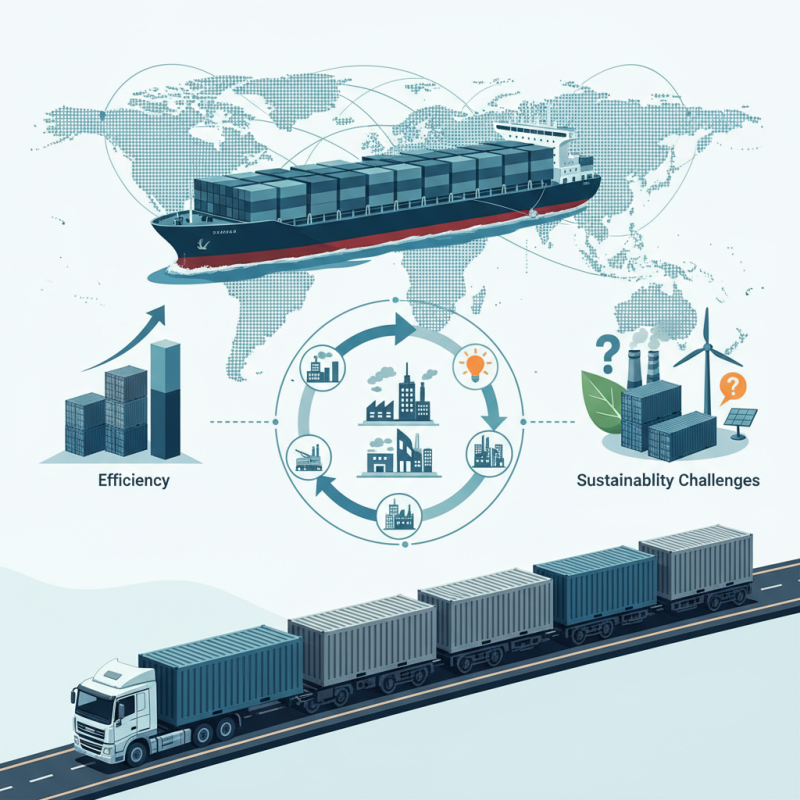
From bustling ports to inland hubs, shipping containers streamline the movement of products. They come in various sizes, catering to diverse cargo types. However, their use isn't without challenges. Overcrowding at ports can delay transport. Additionally, the environmental impact of transporting these containers deserves reflection.

The efficiency brought by shipping containers transforms how businesses operate. Yet, questions remain on sustainability and waste. Are we considering eco-friendly alternatives? The evolution of shipping containers continues, demanding innovative solutions to ensure they meet future logistics needs while minimizing their footprint.
What is the Purpose of Shipping Containers in Modern Logistics?

The Evolution of Shipping Containers in Global Trade

The evolution of shipping containers has transformed global trade significantly. In the 1950s, Malcolm McLean introduced the modern shipping container, sparking a revolution. Before this, cargo was loaded and unloaded piece by piece. According to the World Bank, containerized shipping increased global trade by 700% from 1980 to 2019. This shift reduced shipping costs and time drastically.

Today, around 90% of global trade is transported via containers. They are designed for easy stacking and transport. Containers can carry a variety of goods securely. However, challenges persist. The inefficiency of some ports leads to delays. An estimated 20% of container ships are idle at any given time due to port congestion. This raises concerns about sustainability and resource utilization.

Additionally, not all regions have adapted equally. Some emerging markets struggle with outdated infrastructure. This gap highlights the need for advanced logistical frameworks. Data from the International Maritime Organization indicates that the shipping industry contributes about 3% of global greenhouse gas emissions. Reflecting on this raises questions about future practices and environmental impacts.

What is the Purpose of Shipping Containers in Modern Logistics? - The Evolution of Shipping Containers in Global Trade

Dimension Value
Standard Container Size 20 ft and 40 ft
Weight Capacity Up to 30,000 kg (66,139 lbs)
Market Growth Rate 3% CAGR (2023-2030)
Global Container Fleet Over 50 million containers
Major Shipping Routes Asia to Europe, Transpacific
Environmental Impact Reduction in CO2 emissions by 15%
Technology Integration IoT tracking and monitoring

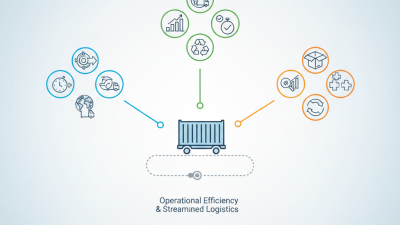
Key Functions of Shipping Containers in Logistics Operations

What is the Purpose of Shipping Containers in Modern Logistics?

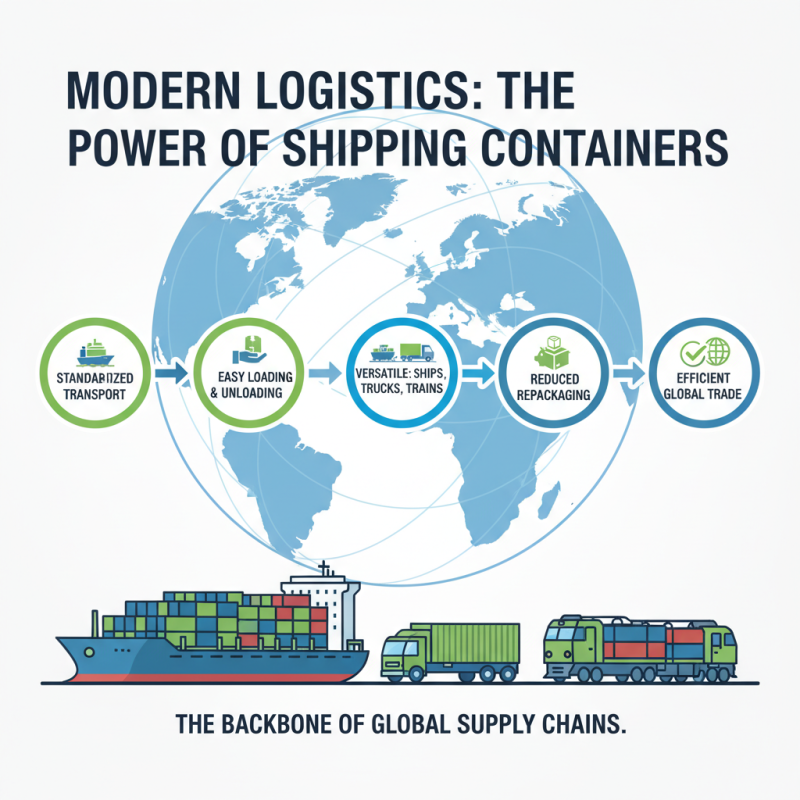
Shipping containers play a crucial role in modern logistics. They offer a standardized method to transport goods efficiently. These containers simplify the loading and unloading process. They are designed to fit on ships, trucks, and trains with ease. This versatility reduces the need for repacking. Businesses can save time and money by using them.

Not only do containers protect cargo, but they also enhance security. Their durability keeps items safe from external elements. However, not all containers are in perfect condition. Some may have rust or structural issues. Regular inspections are essential to ensure reliability. A compromised container can lead to losses.

Moreover, shipping containers promote sustainability. They encourage a circular economy by being reusable. However, the industry often faces challenges. Mismatched sizes and types can create inefficiencies. It’s crucial for logistics companies to address these issues. They must optimize container use for better operations.

Advantages of Standardized Shipping Containers for Supply Chains

Shipping containers play a pivotal role in modern logistics. Their standardized dimensions allow for easy stacking and transport. This uniformity simplifies loading and unloading at ports. Shipping containers are designed for multiple modes of transport, such as ships, trucks, and trains. This flexibility streamlines operations and reduces transit time.

The advantages of using standardized shipping containers are profound. They enhance the efficiency of supply chains. Companies can easily track inventory, improving visibility. Containers protect goods from damage during transit, reducing losses. However, not all containers meet the highest standards. Some may have wear and tear, affecting their reliability.

Moreover, the initial cost of shipping containers can be high. Smaller businesses may struggle to invest in quality containers. This can lead to issues with supply chain consistency. There’s also a need for proper maintenance. Without care, even standardized containers can pose problems. Yet, despite these challenges, the benefits of standardized shipping containers remain significant. They continue to drive global trade forward.

The Role of Shipping Containers in Modern Logistics

The Impact of Shipping Containers on Transportation Efficiency

Shipping containers revolutionized logistics by enhancing transportation efficiency. They standardize cargo sizes and shapes, making loading and unloading processes quicker. The World Bank reports that using containers can reduce shipping time by 40%. This efficiency is crucial for meeting modern demand.

Despite these advancements, challenges remain. Not all ports can accommodate larger container ships. This limitation can cause delays in delivery. According to a report by McKinsey, approximately 60% of global port terminals struggle with congestion. Optimizing container handling is essential to improve overall flow.

Moreover, sustainability is a pressing issue. Shipping is responsible for a significant amount of carbon emissions. The International Maritime Organization estimates shipping accounts for about 2-3% of global CO2 emissions. Industry leaders must balance efficiency with environmental responsibility. These factors influence the future of container shipping and logistics as a whole.

Sustainability Considerations in Shipping Container Usage

Shipping containers play a vital role in modern logistics, but their environmental impact often goes unnoticed. As industries strive for sustainability, the need to rethink container usage becomes essential. According to a report by the International Maritime Organization, shipping accounts for nearly 3% of global greenhouse gas emissions. This highlights a pressing need for more sustainable practices within the sector.

Many companies are now exploring ways to reduce the carbon footprint of shipping containers. One effective approach is using containers made from recycled materials. Implementing a circular economy in logistics can cut down on resource consumption significantly. A recent study indicated that employing recycled materials could lower emissions by up to 50%.

**Tip:** Opt for container providers that prioritize sustainability in their manufacturing processes.

Another crucial aspect is the longevity of shipping containers. Many containers are retired prematurely despite being usable. Extending their life cycle through refurbishment and reuse can mitigate waste. The World Economic Forum suggests that reusing existing containers can save up to 30% in energy costs associated with new production.

**Tip:** Consider purchasing refurbished containers for your shipping needs. This not only benefits the environment but also reduces costs.

Addressing the sustainability of shipping containers requires collective effort. Companies need to prioritize greener practices to minimize their environmental impact while maintaining efficiency.

Plug & Play Installation

Our installation services are top-notch, delivering modular systems for any application on time in plug & play condition. We leave nothing for you to figure out, set up, or fix. All you’ve to do is just step in, and get going with your business.

Dismantling & Reassembling

We hold a long-term view when we build modular rooms taking into consideration your changing needs. Whether it’s shifting your workspace to a new site, redesigning your unit to fit new requirements, or simply clearing the area at the end of the project, our Dismantling & Reassembling teams are pressed into service to get the job done in the quickest possible time and minimum resource wastage.

Interior Designing

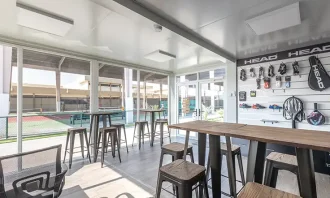
Our interior designs combine both functional and aesthetic aspects to provide you with physical and emotional comfort. We ask you for your preferences and give the best possible solutions aligned to your tastes. Our units are built to be modern, stylish, and elegant.

Bespoke Solutions

We understand that every project is unique and therefore has a different set of requirements. That’s why we believe in customizing our solutions to fit individual needs. We are equipped with the right talents, technology, and skillset to offer bespoke modular units, without compromising on turnaround time or quality.

Aftersales Service

The benefits of choosing Containers ME continues long after the installation of the units as we provide aftersales service for as long as you need. All you have to do is sign the Annual Maintenance Contract (AMC) and enjoy technical support for all the maintenance-related issues. By signing the contract, you can rest assured that a highly professional team of dedicated staff are at your service all year round to attend to your needs.

Customized Container Solutions

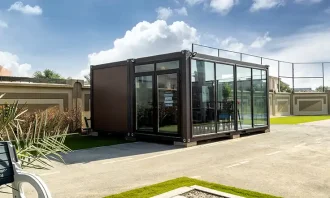
We specialize in Customized Container Solutions designed to meet diverse needs across the UAE. Our offerings include customized modular containers that cater to various applications, from tailor-made container solutions to bespoke container designs.

Whether you’re looking for personalized container homes or custom modular containers, we have you covered. Our customized container offices provide functional workspaces, while our customized portable containers ensure flexibility on-site. Explore our range of custom container storage units and customized cargo containers to optimize your space.

We also offer custom container leasing and custom container fabrication services, along with customized sea containers designed for secure transport. For specialized needs, our specialized container modifications will help you create the perfect solution for your requirements in both Dubai and the broader UAE.

Get a quote

Get a quote