Farming Drones are transforming the landscape of modern agriculture. These innovative devices offer a new way to monitor crops, assess soil health, and manage resources efficiently. Their ability to gather data from vast fields enhances decision-making for farmers.
The integration of farming drones into daily operations can lead to better yield predictions and reduced waste. However, the technology still requires further refinement. Issues such as battery life and data accuracy create challenges that need addressing.
Farmers must also consider the costs of adopting these drones. There is a balance between investing in technology and ensuring a return on investment. Overall, farming drones have an undeniable role, yet they also bring a learning curve. Embracing this technology demands careful evaluation and adaptation.
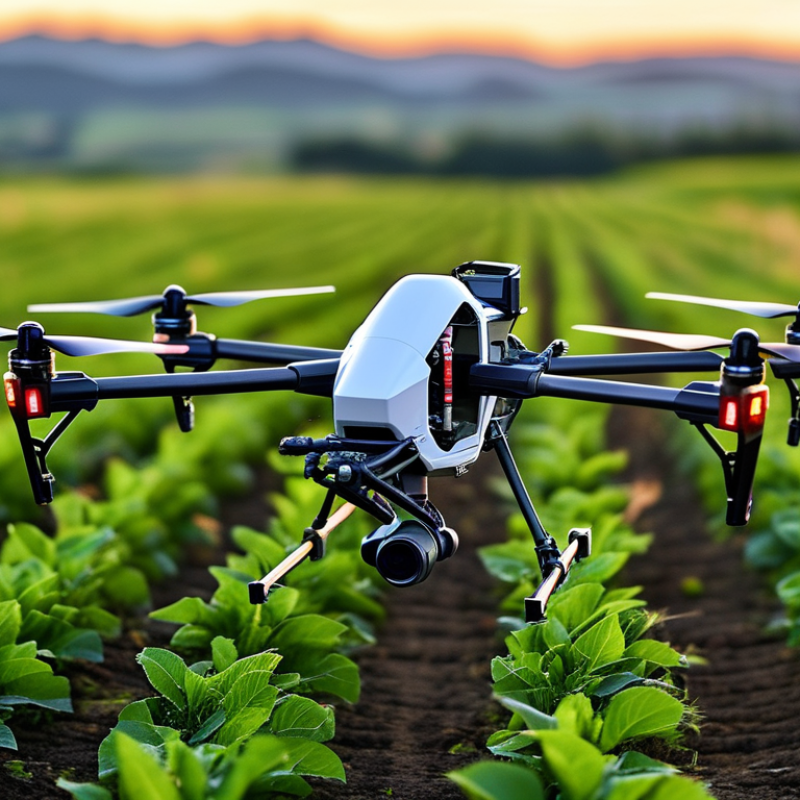
Farming drones have emerged as pivotal tools in modern agriculture. These unmanned aerial vehicles can perform various tasks, from crop monitoring to targeted spraying. A farming drone typically carries high-resolution cameras and sensors. These devices collect data critical for informed decision-making.
Farmers can use drones to assess crop health effectively. With advanced imaging technology, they can spot stressed plants early. This technology helps in saving resources by applying water or fertilizers only where needed. However, the learning curve can be steep for some farmers. Not all are familiar with drone operation or data interpretation. This creates a gap in potential benefits.
Additionally, drones can streamline the planting process. They can distribute seeds over wide areas quickly. Yet, issues like battery life and weather conditions often challenge their usage. Not every farmer has the same access to technology, which could lead to inequalities. Addressing these hurdles is crucial for maximizing the advantages of drone utilization in agriculture.
Farming drones have transformed modern agriculture through their advanced technological features. These unmanned aerial vehicles (UAVs) offer precision in crop monitoring and management. Recent studies indicate that the global market for agricultural drones is projected to reach $6.9 billion by 2025, driven by increasing demand for efficient farming solutions.
Modern farming drones are equipped with high-resolution cameras, multispectral sensors, and GPS technology. These features allow farmers to capture detailed aerial imagery of their fields. By analyzing this data, farmers can identify areas needing attention, such as pest infestations or nutrient deficiencies. Drones can cover large areas quickly, helping to save time and resources.
However, the initial costs of drone technology can be a hurdle for small-scale farmers.
Tips: Consider starting with a basic model to test the waters. Training is essential; understanding how to operate drones effectively will maximise your investment. Keep in mind the regulations in your area regarding drone usage for agriculture, as compliance is crucial for safe operation.
Farming drones have transformed crop monitoring and management. These high-tech tools help farmers collect data easily. They fly over fields, capturing detailed images. This visual information reveals crop health and soil conditions, allowing for timely interventions.
Drones can identify problem areas in a field. They highlight variations in plant growth and nutrient needs. This specific data helps farmers make informed decisions about resource allocation. Drones save time and reduce costs. However, they require proper handling and understanding of data analysis. Misinterpretation of data can lead to poor crop management.
Tips: Always calibrate your drone before use. This ensures accurate data collection. Also, invest time in learning about aerial imagery techniques. Understanding these aspects can enhance your crop management strategy. Drones offer great potential, but knowledge is key to maximizing their benefits.
Drones are revolutionizing modern agriculture, offering innovative solutions for precision farming. These aerial devices can survey vast areas of farmland quickly, providing farmers with critical data. A recent report from the National Agricultural Statistics Service noted that using drones could increase crop yields by up to 20%. This increase results from enhanced monitoring of plant health and soil conditions.
The ability to collect real-time data allows farmers to make informed decisions. Drones equipped with multispectral cameras assess crop stress and nutrient levels. This precision can save up to 30% in water usage. However, farming drones require training and calibration. Some farmers struggle to integrate this technology effectively into their practices.
Furthermore, using drones is not without challenges. Issues such as regulatory constraints and data privacy can hinder widespread adoption. Research indicates that while 75% of farmers recognize drones' potential benefits, only 10% have implemented them fully. This gap highlights the need for support and education in adopting drone technology.
The adoption of farming drones in agriculture is growing, yet challenges remain. Many farmers are unsure about drone technology's cost-effectiveness. Integrating drones into existing operations requires training and investment. Not every farm has the resources to make this leap.
Technical limitations also pose issues. Drone batteries may not last through an entire workday. This limits the area they can cover, causing delays in crop monitoring. Additionally, weather conditions can restrict drone flying capabilities, creating further complications for farmers.
Regulatory hurdles are significant as well. Various regions have different rules for drone use. Farmers need to navigate these complexities, which can be daunting. Despite these challenges, the future of farming drones seems promising. Ongoing research is paving the way for better technology. Improvements in battery life and data analytics could enhance their utility.
| Dimension | Current Status | Challenges | Future Trends |
|---|---|---|---|
| Crop Monitoring | Widespread usage for growth analysis | Data accuracy and interpretation | Integration with AI for better insights |
| Irrigation Management | Emerging applications | High initial costs | Automated irrigation systems combined with drones |
| Pesticide Application | Increasingly adopted for efficiency | Regulatory challenges with application rates | Development of smarter drones for precise application |
| Soil Analysis | Experimental and gaining traction | Limited sensor technology for detailed analysis | Enhanced sensors integrated with drone technology |
| Data Management | Growing data collection practices | Data overload and analytics challenges | AI-driven analytics platforms for better decision making |
Subscribe to our newsletter for the latest news and exclusive offers.
We hold a long-term view when we build modular rooms taking into consideration your changing needs. Whether it’s shifting your workspace to a new site, redesigning your unit to fit new requirements, or simply clearing the area at the end of the project, our Dismantling & Reassembling teams are pressed into service to get the job done in the quickest possible time and minimum resource wastage.
We understand that every project is unique and therefore has a different set of requirements. That’s why we believe in customizing our solutions to fit individual needs. We are equipped with the right talents, technology, and skillset to offer bespoke modular units, without compromising on turnaround time or quality.
The benefits of choosing Containers ME continues long after the installation of the units as we provide aftersales service for as long as you need. All you have to do is sign the Annual Maintenance Contract (AMC) and enjoy technical support for all the maintenance-related issues. By signing the contract, you can rest assured that a highly professional team of dedicated staff are at your service all year round to attend to your needs.
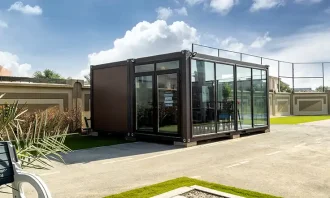
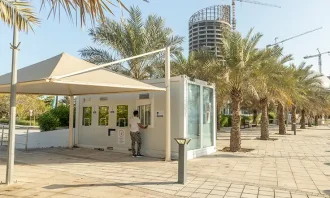
We specialize in Customized Container Solutions designed to meet diverse needs across the UAE. Our offerings include customized modular containers that cater to various applications, from tailor-made container solutions to bespoke container designs.
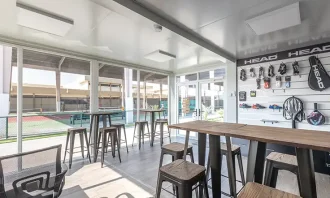
Whether you’re looking for personalized container homes or custom modular containers, we have you covered. Our customized container offices provide functional workspaces, while our customized portable containers ensure flexibility on-site. Explore our range of custom container storage units and customized cargo containers to optimize your space.
We also offer custom container leasing and custom container fabrication services, along with customized sea containers designed for secure transport. For specialized needs, our specialized container modifications will help you create the perfect solution for your requirements in both Dubai and the broader UAE.