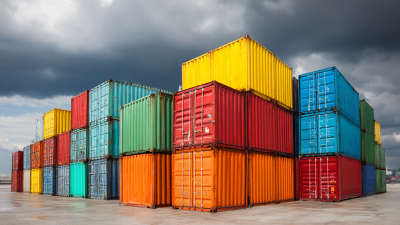
Shipping container storage has become a popular solution for various logistical needs. These versatile containers offer an efficient way to store goods securely. Their durability and weather resistance make them ideal for both short-term and long-term use.
One significant benefit of shipping container storage is its flexibility. Businesses and individuals can use containers for diverse applications. From on-site storage during construction to temporary spaces for retail, the possibilities are vast. The ease of transport also makes them attractive for companies looking to relocate or expand.
Despite their many advantages, container storage also poses challenges. Ground preparation, ventilation, and pest control need careful consideration. Those without prior experience may overlook these aspects, leading to inefficiencies. Understanding both the benefits and potential pitfalls is crucial for effective shipping container storage.
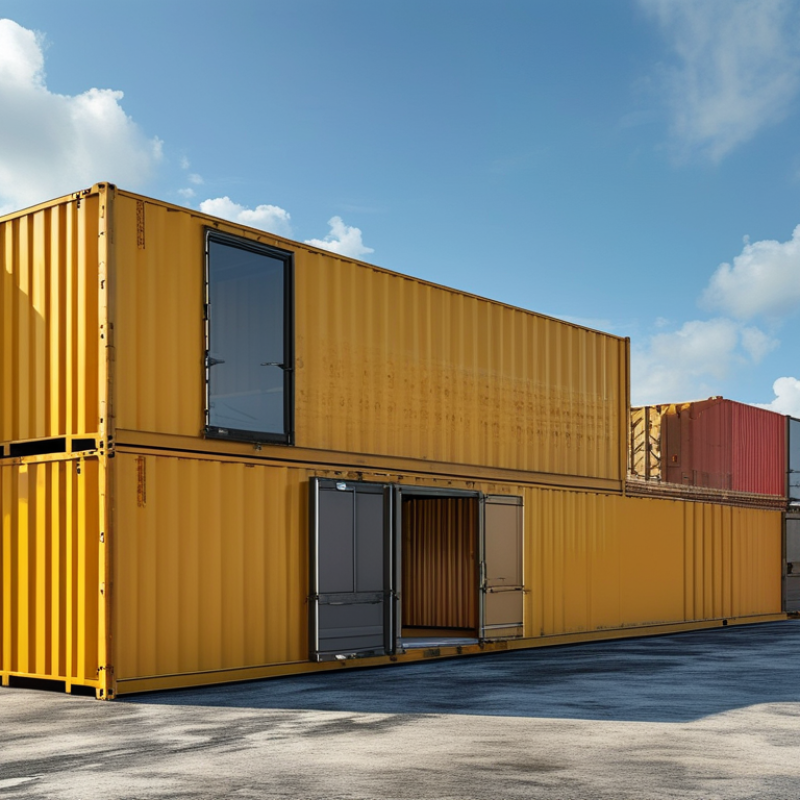
Shipping container storage has become increasingly popular for businesses across various sectors. This trend is largely due to their cost-effectiveness and versatility. According to a report by the World Shipping Council, the global shipping container market is expected to grow by 4.6% annually over the next five years. This growth highlights how businesses are recognizing the benefits of this storage solution.
Using shipping containers for storage can significantly reduce overhead costs. Renting traditional warehouse space can be expensive. In contrast, containers offer a more affordable alternative. For instance, data from FreightWaves indicates that businesses can save up to 50% on storage costs by using containers. They are also durable and weather-resistant, which means your goods are protected. However, improper ventilation can lead to moisture buildup, which merits consideration.
Another advantage is the mobility offered by shipping containers. Businesses can relocate containers easily as needs change. This feature provides flexibility for companies in fluctuating markets. However, companies must ensure compliance with local zoning regulations. While there are clear benefits, there are also challenges to consider. Thus, businesses should weigh both advantages and potential issues carefully.
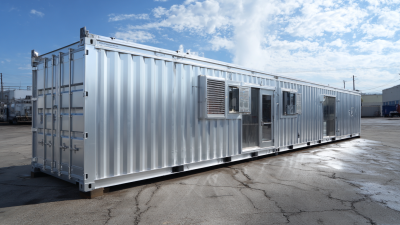
Shipping containers have gained traction across various industries due to their versatility and practical applications. According to a report from the Global Container Market, the demand for shipping containers is projected to grow by 6.5% annually until 2027. This growth highlights the importance of containers beyond the shipping industry.
In agriculture, shipping containers are repurposed into innovative storage solutions. They can be easily adapted to create mobile cold storage for produce. Reports suggest that about 20% of harvested food is lost due to improper storage. Containers help to minimize this waste. They provide a controlled environment, ensuring freshness and reducing spoilage.
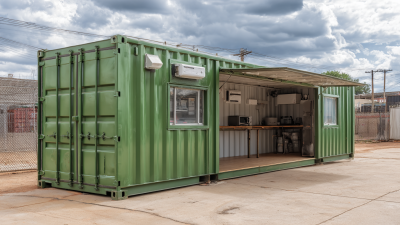
In the construction sector, shipping containers often serve as modular offices or on-site storage units. A study by the Modular Building Institute indicates that modular structures can reduce construction timelines by up to 30%. Using shipping containers also promotes sustainability. The re-use of containers decreases waste and lowers the demand for new materials. However, some challenges persist. For instance, proper insulation is crucial in both climates, which can be costly and complex. Adaptation to local building codes is another vital consideration for effective use.
Shipping container storage offers a myriad of cost-effective solutions for various industries. According to industry data, using shipping containers as storage units can reduce costs by up to 50% compared to traditional warehouse options. This significant saving appeals to businesses looking to minimize operational expenses while maintaining efficient storage capacity.
Moreover, shipping containers are highly versatile. They can be modified to suit different needs, such as on-site storage or portable units. Their durability contributes to long-term savings. Studies show that these containers can last over 25 years with proper maintenance. However, relying solely on containers might miss other opportunities for specialized storage options. It is essential to evaluate specific needs before committing fully to this solution.
Space efficiency is another benefit. A standard shipping container can hold a vast amount of goods compared to conventional shelving systems. Yet, it requires adequate site planning to maximize its use. Ensuring that containers are placed strategically can prevent wasted space. An insightful approach combines container storage with other methods, promoting a more comprehensive storage strategy. Balancing these factors remains crucial for cost efficiency and operational effectiveness.
Shipping container storage has gained popularity for several reasons, particularly its robust security features. These containers are designed to withstand harsh weather and potential intrusions. Made from strong steel, they can resist tampering and break-ins. The solid structure makes them reliable for various storage needs.
Inside the container, you can enhance security further. Installing a high-quality lock adds an extra layer of protection. Some options even allow for additional features like security alarms or motion detectors. It's essential to consider these enhancements, especially for valuable or sensitive items. Even with strong locks, no system is foolproof.
Developing a secure storage plan often requires ongoing reflection. One might question if a container is the best solution for their needs. Evaluating location and accessibility is critical. Security also depends on the area where the container is placed. Urban settings might pose different risks than more remote locations. Balancing convenience with security can lead to a more effective storage strategy.
Shipping containers are becoming popular for sustainable storage solutions. Their reusability is a key benefit. When repurposed, they reduce the need for new materials. This cuts down waste and lowers the environmental footprint. Containers can be used in many ways, from homes to offices. Their sturdy design ensures durability, adding to their lifecycle.
However, the environmental impact of shipping containers is not entirely positive. While they help reduce waste, they can also contribute to urban blight if not managed properly. Abandoned or poorly maintained containers may attract pests and create safety hazards. Local regulations should guide container use. Awareness of these issues is crucial for effective implementation.
Sustainability involves not just reuse, but responsible management. Ensuring safe storage practices is essential. Communities should discuss best practices for container use. Initiatives can raise awareness about benefits and risks. Thoughtful integration of shipping containers can lead to environmentally friendly outcomes. It's a complex balance that requires ongoing reflection and commitment.
| Benefit/Use | Description | Environmental Impact |
|---|---|---|
| Cost-Effective Storage | Shipping containers provide affordable storage solutions for both individuals and businesses. | Promotes recycling as used containers are repurposed for storage. |
| Mobility | Containers can be easily transported to different locations as needed. | Reduces construction waste as containers are reused instead of building new structures. |
| Durability | Made from strong steel, containers resist weather conditions, keeping contents secure. | Long lifespan minimizes the need for frequent replacements, lowering resource consumption. |
| Versatility | Can be used for various purposes, from storage to housing and workshops. | Encourages creative reuse, reducing waste in landfills. |
| Security | Locks provide secure storage for valuable items. | Reduced theft and vandalism rates lead to less environmental footprint for replacement goods. |
Subscribe to our newsletter for the latest news and exclusive offers.
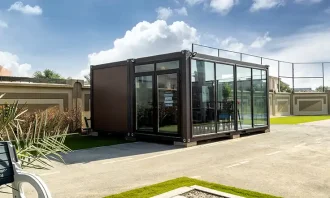
We hold a long-term view when we build modular rooms taking into consideration your changing needs. Whether it’s shifting your workspace to a new site, redesigning your unit to fit new requirements, or simply clearing the area at the end of the project, our Dismantling & Reassembling teams are pressed into service to get the job done in the quickest possible time and minimum resource wastage.
We understand that every project is unique and therefore has a different set of requirements. That’s why we believe in customizing our solutions to fit individual needs. We are equipped with the right talents, technology, and skillset to offer bespoke modular units, without compromising on turnaround time or quality.
The benefits of choosing Containers ME continues long after the installation of the units as we provide aftersales service for as long as you need. All you have to do is sign the Annual Maintenance Contract (AMC) and enjoy technical support for all the maintenance-related issues. By signing the contract, you can rest assured that a highly professional team of dedicated staff are at your service all year round to attend to your needs.
We specialize in Customized Container Solutions designed to meet diverse needs across the UAE. Our offerings include customized modular containers that cater to various applications, from tailor-made container solutions to bespoke container designs.
Whether you’re looking for personalized container homes or custom modular containers, we have you covered. Our customized container offices provide functional workspaces, while our customized portable containers ensure flexibility on-site. Explore our range of custom container storage units and customized cargo containers to optimize your space.
We also offer custom container leasing and custom container fabrication services, along with customized sea containers designed for secure transport. For specialized needs, our specialized container modifications will help you create the perfect solution for your requirements in both Dubai and the broader UAE.