Blogs

What Is a Soft Lamination Machine and How Does It Work?

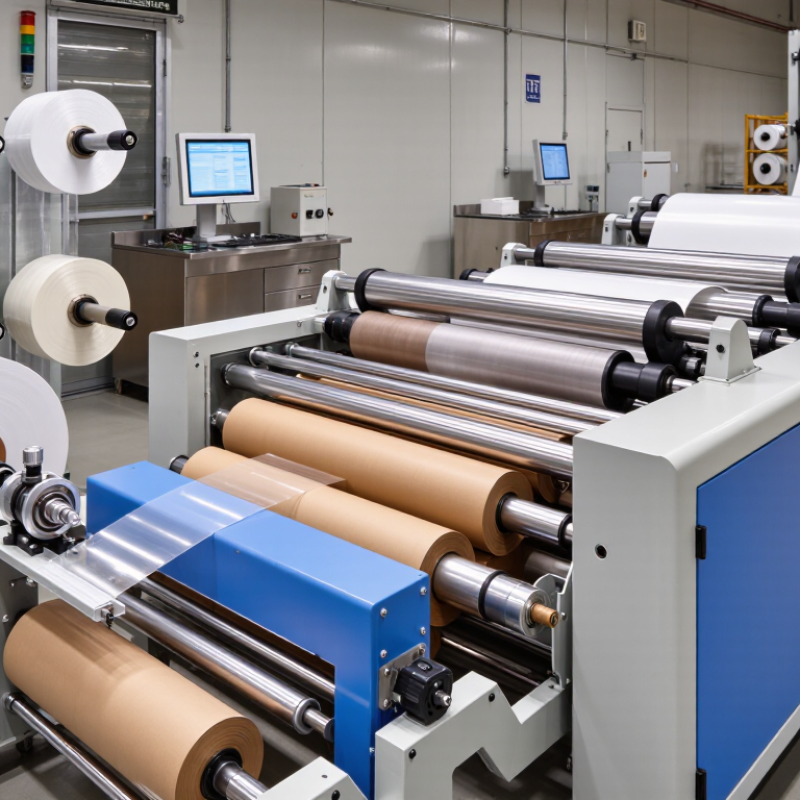
A Soft Lamination Machine joins two or more flexible webs into one functional packaging structure. It may combine printed film, adhesive, aluminum foil, paper, or sealant layers. The result must protect products while remaining light, flexible, and attractive on a retail shelf. Small defects matter. A trapped air bubble can weaken the seal or distort the printed image.

Grand View Research estimated the global flexible packaging market at approximately USD 267.95 billion in 2023. Its report also projects continued growth through 2030. Smithers’ flexible packaging studies identify lightweight structures, high-speed converting, and improved recyclability as major industry priorities. These trends place greater pressure on lamination equipment. Operators now monitor adhesive coating weight, web tension, drying temperature, nip pressure, and curing time. Each variable can influence bond strength.

Packaging expert Walter Soroka defines packaging as “the science, art, and technology of enclosing and protecting products.” His principle applies directly here. A Soft Lamination Machine is not simply a faster roller system. It is a controlled process that turns separate materials into a reliable barrier structure. The machine unwinds each web, applies adhesive, aligns the layers, and presses them together through heated or cooled rollers. Some systems use solventless adhesives, reducing drying requirements and emissions. Others use solvent-based or water-based systems for specific performance needs.

The process sounds straightforward. It is not always predictable. Material thickness, humidity, surface energy, and operator experience can change the outcome. PMMI reports that packaging manufacturers increasingly invest in automation and connected equipment. Yet automation cannot replace careful material testing. Understanding these limitations makes the machine easier to select, operate, and improve.

What Is a Soft Lamination Machine and How Does It Work?

What a Soft Lamination Machine Is: Films, Webs, and 12–250 μm Structures

What Is a Soft Lamination Machine and How Does It Work?

A soft lamination machine bonds flexible films, foils, papers, or nonwoven webs into a layered structure. “Soft” describes the flexible materials and gentle handling, not a weak machine. Typical webs range from 12 to 250 μm, so pressure and tension must change with every material combination. A thin 12 μm film can stretch, wrinkle, or curl under surprisingly small force. A thicker 250 μm sheet needs stronger nip contact and stable feeding.

The process begins with controlled unwinding. Guide rollers align each web before an adhesive system applies a thin, even layer. The coated film then meets another web at a heated or pressure-controlled nip. Roll temperature, line speed, tension, and adhesive weight influence the final bond. Operators often inspect the laminate for bubbles, silvering, edge lift, and uneven gloss. They also check bond strength after curing, because a smooth surface can hide a weak interface.

Practical judgment matters.

A common mistake is treating every film like paper. That approach can create telescoping rolls or trapped air. I would not trust appearance alone; sample testing remains essential. Humidity, surface energy, and storage time may change the result. Some structures need extra curing before slitting or pouch forming, while others can be handled sooner. The machine is precise, but the material still behaves unpredictably. That is where experienced adjustment becomes more valuable than fixed settings.

What Is a Soft Lamination Machine and How Does It Work? — Films, Webs, and 12–250 μm Structures
Data Dimension Typical Specification or Range How It Relates to Soft Lamination Practical Notes
Machine Function Continuous web-to-web bonding The machine joins two or more flexible webs into a composite structure. The webs may be plastic films, paper, aluminum foil, nonwoven materials, or coated substrates.
Finished Structure Thickness Approximately 12–250 μm Soft laminates are generally thin, flexible, and suitable for bending, folding, or roll conversion. The final thickness depends on the substrate thickness, adhesive coat weight, and number of layers.
Common Film Substrates PE, PP, PET, PA, PVC, and EVOH-containing multilayer films Different films contribute barrier, sealability, stiffness, printability, or puncture resistance. Surface treatment may be required when the film has low surface energy.
Paper and Foil Webs Paper, coated paper, aluminum foil, and metallized film These materials can add print performance, opacity, light protection, oxygen barrier, or moisture barrier. Foil handling requires careful tension control because thin foil can wrinkle or tear.
Typical Web Width 300–1,600 mm The usable width determines production capacity and the size of the finished rolls or pouches. Actual width is selected according to the converting line, product format, and edge-trim requirements.
Unwinding System Two or more roll stands with tension control Each substrate is unwound and guided into the coating and nip sections at a controlled speed. Dancer rolls, load cells, or servo-driven shafts are commonly used to stabilize web tension.
Lamination Speed Approximately 50–300 m/min Line speed determines output and affects adhesive drying, wetting, and bonding conditions. Actual speed is limited by adhesive chemistry, web quality, coating method, and dryer capacity.
Adhesive Types Solvent-based, solventless, water-based, or heat-activated adhesives The adhesive forms the bonding layer between the flexible webs. Solventless systems do not require solvent evaporation; solvent-based systems require drying and exhaust management.
Adhesive Coat Weight Approximately 0.8–5.0 g/m² Coat weight influences bond strength, appearance, flexibility, and material consumption. The correct value depends on surface energy, adhesive type, substrate roughness, and end-use requirements.
Solventless Adhesive Application Metering-roll or multi-roll coating Two adhesive components are metered, mixed, and applied as a thin liquid film before entering the nip. Accurate metering and temperature control are important because solventless adhesives are highly viscous.
Solvent-Based Adhesive Application Gravure, reverse-gravure, or similar coating methods The adhesive is applied to one web and dried before the coated web meets the second substrate. The drying section must remove solvent vapors while preventing overheating or distortion of the web.
Nip Roller Function Controlled pressure between rubber and steel or coated rollers The nip removes air, improves wetting, and creates intimate contact between adhesive and substrate. Excessive pressure can cause wrinkles, adhesive squeeze-out, or deformation of delicate films.
Nip Pressure Typically 2–8 bar, depending on machine design Pressure is adjusted to obtain uniform bonding without damaging the web. Pressure should be verified across the web width rather than set only at one point.
Roll Temperature Approximately 20–80 °C Heated rolls can reduce adhesive viscosity, improve wetting, and support curing or bonding. Temperature must remain below the thermal deformation or shrinkage limit of the substrate.
Drying Temperature Approximately 40–120 °C for solvent or water removal Hot-air dryers remove volatile components before the coated web reaches the laminating nip. The required temperature depends on solvent type, water content, line speed, airflow, and coating weight.
Web Tension Commonly 10–100 N per web, depending on width and material Stable tension prevents wrinkles, telescoping rolls, registration errors, and uneven bonding. Thin films generally require lower tension than paper or thicker, stiffer substrates.
Surface Treatment Typically 38–52 dyn/cm for treated polyolefin films Corona or plasma treatment increases surface energy and improves adhesive wetting. Surface energy can decline during storage, so treatment level should be checked before production.
Curing or Maturation Approximately 24–72 hours for many reactive systems Some adhesives continue reacting after lamination until the required bond strength is reached. Curing time varies with adhesive formulation, temperature, humidity, coat weight, and substrate combination.
Rewind Unit Controlled-torque or differential-shaft rewinding The laminated web is wound into a stable roll for curing, slitting, pouch making, or further conversion. Rewind hardness must be controlled to avoid blocking, wrinkles, and roll deformation.
Primary Process Sequence Unwind → treat or clean → coat adhesive → dry if required → laminate at nip → rewind This sequence combines material handling, adhesive application, pressure bonding, and roll formation. Some solventless lines omit the drying stage, while extrusion lamination uses a molten polymer layer instead of liquid adhesive.
Quality-Control Checks Bond strength, appearance, thickness, coat weight, tension, and roll hardness These checks confirm that the laminate has uniform bonding and is suitable for downstream processing. Additional tests may include seal strength, oxygen transmission, water-vapor transmission, blocking, and heat resistance.
Common Defects Wrinkles, bubbles, silvering, poor adhesion, curl, blocking, and telescoping Defects can result from uneven tension, trapped air, incorrect coat weight, contamination, or unsuitable temperature. Troubleshooting normally begins with web alignment, surface treatment, adhesive metering, nip pressure, and drying conditions.
Typical Applications Flexible packaging, labels, medical packs, insulation, industrial films, and protective laminates Soft laminates combine the properties of multiple thin materials in one flexible structure. The selected structure depends on barrier requirements, sealing method, mechanical strength, printability, and regulatory needs.

How Webs Are Unwound, Aligned, and Laminated at Speeds up to 300 m/min

What Is a Soft Lamination Machine and How Does It Work?

A soft lamination machine joins flexible webs into one stable multilayer structure. Typical materials include films, paper, foil, and nonwoven sheets. The process starts with an unwind station, where large rolls release material at a controlled rate. Tension sensors monitor the web continuously. If tension changes, wrinkles or stretching can appear quickly.

Alignment is essential at speeds approaching 300 m/min. Edge sensors detect sideways movement, while an automatic web guide makes small corrections. These adjustments keep printed patterns, edges, and layers properly registered. The machine then applies adhesive, heat, or pressure, depending on the material and production specification. Nip rollers press the webs together with measured force. Too much pressure can mark a soft film. Too little pressure may create air pockets.

The machine is not magic. Experienced operators still check roll hardness, adhesive coverage, splice quality, and drying conditions. A clean roller surface matters. So does stable room temperature. In real production, perfect alignment is difficult during roll changes or sudden speed increases. Careful acceleration often protects quality better than chasing maximum speed. Operators may slow the line briefly when the web begins to wander. That small decision can prevent meters of wasted material and reveal problems before they become expensive.

How Adhesive Metering Applies a Typical 1–3 g/m² Coating Weight

What Is a Soft Lamination Machine and How Does It Work?

A soft lamination machine bonds flexible films with a controlled adhesive layer. It uses unwinding units, tension control, coating rollers, a laminating nip, and curing sections. The adhesive metering system controls coating weight, not simply roller speed. In solventless lamination, a heated metering roller transfers adhesive through a precise gap. The nip then presses two webs together under stable pressure.

Typical adhesive application ranges from 1–3 g/m². Small changes matter.

Applying 1.5 g/m² across 1,000 m² requires about 1.5 kilograms of adhesive.

That calculation assumes 100% solids and excludes waste. Solvent-based systems require a different calculation because solvents evaporate. Operators should verify the dry coating weight through weighing tests, following methods related to TAPPI T 410.

According to Smithers’ 2024 flexible packaging market report, lightweighting remains a major industry driver. Lower coating weights support material efficiency, but they reduce the process window. At 1 g/m², uneven film thickness, dust, or roller wear can create weak bonds. At 3 g/m², excess adhesive may increase curing time and cost.

FEICA’s industry publications also emphasize process control, quality testing, and responsible adhesive selection. In practice, technicians often check viscosity, temperature, web tension, and nip pressure every shift. The numbers look simple. The machine is not. A coating-weight gauge can reveal variation that visual inspection misses, although measurement errors still need investigation.

How Heat, Nip Pressure, and Tension Create a Wrinkle-Free Bond

What Is a Soft Lamination Machine and How Does It Work?

A soft lamination machine bonds two flexible materials with controlled heat, nip pressure, and web tension. It is commonly used for films, foils, papers, and other sensitive substrates. The adhesive softens under heat, then spreads evenly as the rollers press both layers together. Temperature must match the adhesive and substrate. Excessive heat can distort film or weaken printed details.

Nip pressure creates intimate contact between the layers. Too little pressure may leave air pockets, while excessive pressure can squeeze adhesive beyond the edges. The roller surface, alignment, and speed also affect the bond. Operators should inspect the laminate under angled light. Wrinkles often appear as narrow silver lines or cloudy waves.

Tension keeps each web stable before it reaches the nip. Balanced tension prevents slack, stretching, and diagonal creases. In practice, small adjustments matter. A slight tension difference can shift the material sideways. I have found that operators sometimes chase wrinkles by increasing pressure, but that can hide the real problem. Temperature, pressure, and tension must be adjusted together. The process is not perfectly forgiving. Humidity, film thickness, and adhesive age can also change the result. Recording settings after each trial improves repeatability, although one setting rarely suits every material combination.

How Operators Test Bond Strength, Thickness, and ISO 12647-2 Quality

What Is a Soft Lamination Machine and How Does It Work?

A soft lamination machine bonds a flexible film to printed material. It uses controlled heat, pressure, and adhesive to create a smooth protective layer. Operators adjust roller pressure and temperature for each substrate. Paper, film, and ink behave differently. Small changes can affect the final result.

Quality testing should begin after the laminated sheet reaches room temperature. An operator can perform a peel test to measure bond strength. The test reveals weak edges, trapped air, or poor adhesive coverage. A micrometer checks total thickness at several points. Readings near corners may differ from readings in the center. That difference needs investigation, not automatic rejection.

For ISO 12647-2 quality control, operators compare color, tone value, dot gain, and print uniformity against approved process targets. Lamination can change surface appearance, so measurements should use consistent lighting and instruments. ISO 12647-2 does not define every lamination setting. It supports controlled print production and repeatable color evaluation.

Tips: Clean the rollers before testing. Record temperature, pressure, speed, and material batch. Test more than one sheet. A practical mistake is testing only the best-looking sample. I have seen acceptable bond results hide uneven thickness. Recheck settings when results drift. Keep the evidence.

Plug & Play Installation

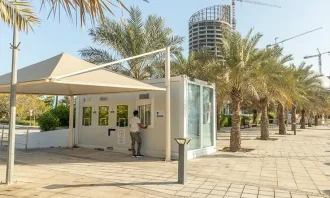
Our installation services are top-notch, delivering modular systems for any application on time in plug & play condition. We leave nothing for you to figure out, set up, or fix. All you’ve to do is just step in, and get going with your business.

Dismantling & Reassembling

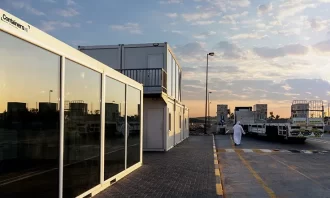
We hold a long-term view when we build modular rooms taking into consideration your changing needs. Whether it’s shifting your workspace to a new site, redesigning your unit to fit new requirements, or simply clearing the area at the end of the project, our Dismantling & Reassembling teams are pressed into service to get the job done in the quickest possible time and minimum resource wastage.

Interior Designing

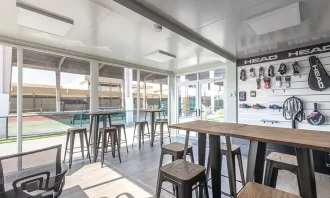
Our interior designs combine both functional and aesthetic aspects to provide you with physical and emotional comfort. We ask you for your preferences and give the best possible solutions aligned to your tastes. Our units are built to be modern, stylish, and elegant.

Bespoke Solutions

We understand that every project is unique and therefore has a different set of requirements. That’s why we believe in customizing our solutions to fit individual needs. We are equipped with the right talents, technology, and skillset to offer bespoke modular units, without compromising on turnaround time or quality.

Aftersales Service

The benefits of choosing Containers ME continues long after the installation of the units as we provide aftersales service for as long as you need. All you have to do is sign the Annual Maintenance Contract (AMC) and enjoy technical support for all the maintenance-related issues. By signing the contract, you can rest assured that a highly professional team of dedicated staff are at your service all year round to attend to your needs.

Customized Container Solutions

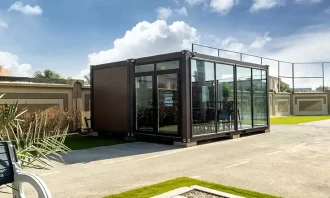
We specialize in Customized Container Solutions designed to meet diverse needs across the UAE. Our offerings include customized modular containers that cater to various applications, from tailor-made container solutions to bespoke container designs.

Whether you’re looking for personalized container homes or custom modular containers, we have you covered. Our customized container offices provide functional workspaces, while our customized portable containers ensure flexibility on-site. Explore our range of custom container storage units and customized cargo containers to optimize your space.

We also offer custom container leasing and custom container fabrication services, along with customized sea containers designed for secure transport. For specialized needs, our specialized container modifications will help you create the perfect solution for your requirements in both Dubai and the broader UAE.

Get a quote

Get a quote