Blogs

What is Stainless Steel Pipe and How is it Used in Industry?

Stainless Steel Pipe is a crucial component in various industries. Its unique properties make it an ideal choice for many applications. David Smith, an expert in the material sciences field, emphasizes, “Stainless Steel Pipe is essential for maintaining integrity in harsh environments.”

In construction, these pipes offer durability and corrosion resistance. They endure high pressures and temperatures, making them suitable for oil and gas industries. However, not all stainless steel pipes are created equal. Understanding different grades and specifications is necessary for optimal use.

Despite its many advantages, some challenges exist. Fabrication can be complex, requiring skilled labor and precision. Inadequate knowledge of the material can lead to failures in critical applications. Thus, ongoing education and best practices in using Stainless Steel Pipe remain vital.
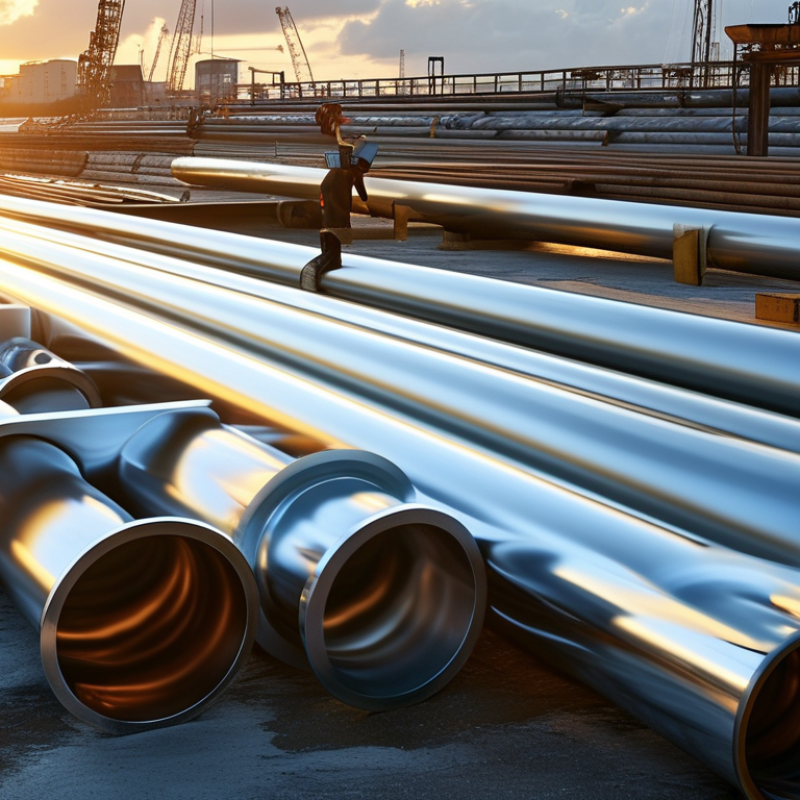
What is Stainless Steel Pipe and How is it Used in Industry?

What is Stainless Steel Pipe?

Stainless steel pipe is a crucial component in many industries. It is known for its strength, durability, and resistance to corrosion. These qualities make it ideal for everything from construction to food processing. According to a report by Research and Markets, the global stainless steel pipe market is expected to grow at a CAGR of 5.3% from 2021 to 2027. This growth is driven by increasing investments in infrastructure and a rise in the use of stainless steel in various applications.

In industries like oil and gas, stainless steel pipes handle extreme pressures and temperatures. They are also essential in the pharmaceutical sector, where hygiene is critical. A study by the International Stainless Steel Forum indicates that stainless steel's ability to resist corrosion helps maintain product integrity. This makes it a preferred choice in the manufacturing of medical devices and equipment.

Tip: Always consider the specific grade of stainless steel when selecting pipes for your project. Different grades provide various properties, impacting performance.

Additionally, stainless steel pipes can be recycled, adding to their sustainability appeal. However, not all stainless steel is created equal. Selecting the wrong type can lead to unexpected failures. This highlights the importance of understanding your project's requirements fully.

Tip: Consult with professionals to ensure you choose the right stainless steel pipe for your application.
Composition and Properties of Stainless Steel Pipe

Stainless steel pipes are widely used in various industries due to their unique properties. The primary component of stainless steel is iron, combined with chromium, nickel, and other elements. This combination gives stainless steel its corrosion-resistant qualities. The chromium content, typically at least 10.5%, forms a protective layer on the surface. This layer drastically reduces oxidation and rust formation.

The mechanical properties of stainless steel pipes are notable. They exhibit high tensile strength and durability. These pipes can withstand extreme temperatures as well. However, not all stainless steel grades are created equal. Each grade has specific applications. For instance, some might be better suited for chemical processing, while others excel in food and beverage industries.

Beyond composition, the handling of stainless steel pipes can present challenges. Improper installation can lead to failures or leaks. Additionally, weld integrity is crucial for maintaining performance. It's essential to regularly inspect these pipes for any signs of wear. This attention to detail can prevent severe issues later on. Understanding these factors contributes to safe and effective industrial use.

Common Manufacturing Processes for Stainless Steel Pipes

Stainless steel pipes are indispensable in many industries. Their unique properties make them suitable for various applications. To create these pipes, several manufacturing processes are used. Each method offers distinct advantages and challenges.

One common technique is seamless pipe manufacturing. This involves heating a solid stainless steel billet until it becomes malleable. Then, it is drilled and formed into a hollow pipe. This method ensures high strength and uniformity. However, it can be costly and requires precise temperature management.

Welded pipe production is another approach. In this process, flat stainless steel sheets are rolled and welded together. This method is generally more affordable than seamless production. Yet, the welded seams may introduce weaknesses. Regular inspections are crucial to ensure quality and safety. Each method has its pros and cons, reflecting the complexity of stainless steel pipe manufacturing.

What is Stainless Steel Pipe and How is it Used in Industry? - Common Manufacturing Processes for Stainless Steel Pipes

Dimension Description Common Uses Manufacturing Process
1/2 inch Small diameter stainless steel pipe Hydraulic systems, gas lines Seamless and welded process
1 inch Medium diameter stainless steel pipe Water supply, plumbing Drawn over mandrel (DOM)
2 inch Large diameter stainless steel pipe Industrial applications, construction Extrusion and rolling process
3 inch Extra large diameter stainless steel pipe Chemical processing, oil and gas Welded fabrication

Applications of Stainless Steel Pipes in Various Industries

Stainless steel pipes are crucial in diverse industries due to their durability and corrosion resistance. In the food and beverage sector, these pipes transport liquids, ensuring hygiene and preventing contamination. Their smooth surface makes cleaning easier. However, improper installation can lead to leaks, compromising safety.

In the oil and gas industry, stainless steel pipes handle high-pressure fluids. They must withstand extreme temperatures and pressure. Regular inspections are essential. A tiny flaw can have significant consequences. Despite their strength, the choice of grade and thickness affects performance. Not all stainless steel is created equal.

Chemical processing relies on these pipes for transporting reactive substances. Their resistance to chemicals reduces the risk of corrosion. Yet, they can be costly. Many companies weigh maintenance costs against initial savings. Understanding the specific application is vital. Incorrect use can lead to failures and safety hazards.

Maintenance and Inspection of Stainless Steel Pipes

Maintaining stainless steel pipes is crucial for optimal performance in various industries. Regular inspections are necessary to identify potential issues early. According to the World Corrosion Organization, corrosion can lead to a 20% reduction in the lifespan of pipes if not addressed promptly. Visual inspections help spot surface irregularities, while ultrasonic tests can detect internal flaws that are not visible externally.

The environment plays a significant role in maintenance decisions. For example, pipes in marine environments are subjected to saline conditions, increasing corrosion risk. Implementing a preventive maintenance schedule can mitigate these risks. Recommended practices include cleaning and passivation, which ensures a protective layer against corrosion. However, it’s essential to note that even thorough maintenance may not prevent all corrosion types. Failure to adapt maintenance strategies based on environmental conditions can lead to costly repairs, indicating a need for ongoing evaluation.

Plug & Play Installation

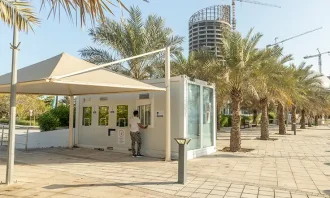
Our installation services are top-notch, delivering modular systems for any application on time in plug & play condition. We leave nothing for you to figure out, set up, or fix. All you’ve to do is just step in, and get going with your business.

Dismantling & Reassembling

We hold a long-term view when we build modular rooms taking into consideration your changing needs. Whether it’s shifting your workspace to a new site, redesigning your unit to fit new requirements, or simply clearing the area at the end of the project, our Dismantling & Reassembling teams are pressed into service to get the job done in the quickest possible time and minimum resource wastage.

Interior Designing

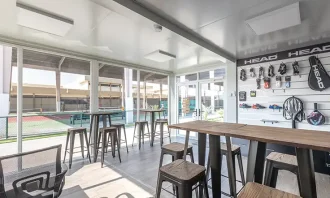
Our interior designs combine both functional and aesthetic aspects to provide you with physical and emotional comfort. We ask you for your preferences and give the best possible solutions aligned to your tastes. Our units are built to be modern, stylish, and elegant.

Bespoke Solutions

We understand that every project is unique and therefore has a different set of requirements. That’s why we believe in customizing our solutions to fit individual needs. We are equipped with the right talents, technology, and skillset to offer bespoke modular units, without compromising on turnaround time or quality.

Aftersales Service

The benefits of choosing Containers ME continues long after the installation of the units as we provide aftersales service for as long as you need. All you have to do is sign the Annual Maintenance Contract (AMC) and enjoy technical support for all the maintenance-related issues. By signing the contract, you can rest assured that a highly professional team of dedicated staff are at your service all year round to attend to your needs.

Customized Container Solutions

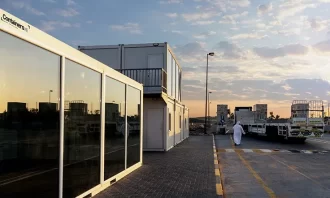
We specialize in Customized Container Solutions designed to meet diverse needs across the UAE. Our offerings include customized modular containers that cater to various applications, from tailor-made container solutions to bespoke container designs.

Whether you’re looking for personalized container homes or custom modular containers, we have you covered. Our customized container offices provide functional workspaces, while our customized portable containers ensure flexibility on-site. Explore our range of custom container storage units and customized cargo containers to optimize your space.

We also offer custom container leasing and custom container fabrication services, along with customized sea containers designed for secure transport. For specialized needs, our specialized container modifications will help you create the perfect solution for your requirements in both Dubai and the broader UAE.

Get a quote

Get a quote