Blogs

7 Tips for Choosing the Best Laser Machine

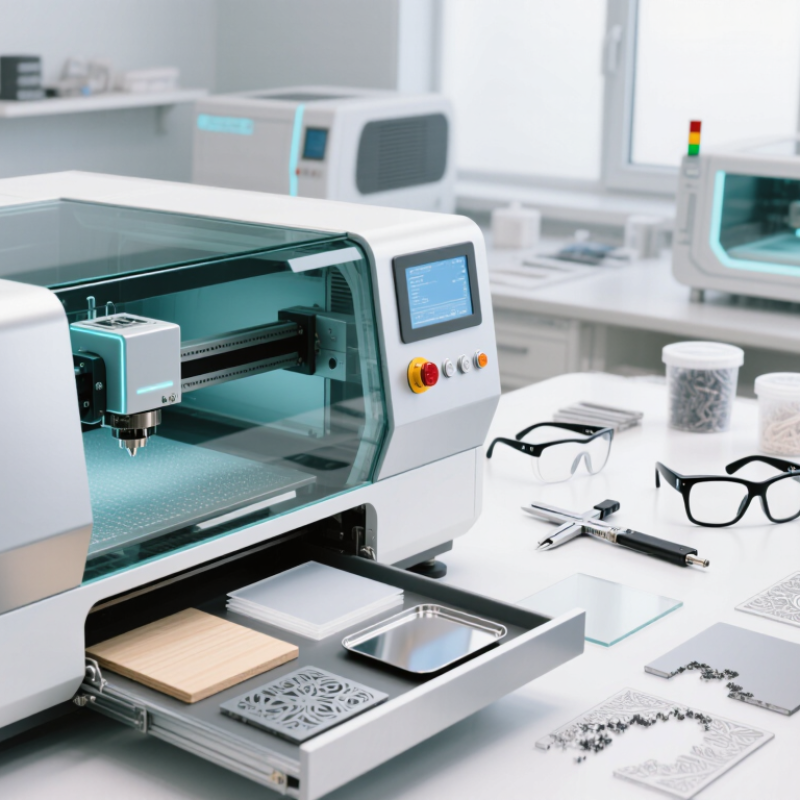
Choosing a Laser Machine is not just a question of power or price. The right choice depends on the material, process, workload, and finish your operation actually needs. A machine that cuts thin acrylic cleanly may struggle with thicker stock or detailed engraving. The difference often shows up at the workbench: rough edges, slow production, or jobs that need repeating.

The market is expanding, but growth alone does not identify the right equipment. MarketsandMarkets estimated the broader laser technology market at $20.5 billion in 2023 and projected $35.3 billion by 2028. That figure covers laser technology, not just industrial machines, so it should not be mistaken for a buyer’s guide. Theodore Maiman, widely credited with building the first working laser, is often quoted as saying, “The laser is a solution looking for a problem.” It is a useful reminder: define the job before shopping for the tool.

Fit matters. One tempting shortcut—and a flawed one—is to compare machines by headline wattage alone. Instead, check sample results, operating costs, service support, safety features, and compatibility with your materials. Ask vendors to run a test using your actual design and stock. Keep the results. A glossy specification sheet cannot show every practical limitation, and even a careful test may not reflect years of daily use. The seven tips ahead offer a grounded way to compare options, ask sharper questions, and choose with fewer costly surprises.
7 Tips for Choosing the Best Laser Machine

Identify the Materials and Tasks the Laser Machine Must Handle

A useful laser machine starts with a clear list of materials and jobs, not a guessed power rating. Note what you plan to cut or engrave, the largest workpiece, and how often you expect to run jobs. Include actual thicknesses: engraving a thin plywood tag differs from cutting a thick panel. Start with samples.

Material names alone do not tell the whole story. Coatings, adhesives, and surface treatments can change how a material reacts to heat. Check the machine’s wavelength and material guidance, then test a small offcut before committing a full sheet. Review safety information for fumes, and use suitable extraction. Never assume a material is safe to process just because it is common in craft or workshop settings.

Match the machine to the task. Fine lettering needs reliable focus and motion control; repeated production may need a larger bed and consistent operation. Consider the required edge quality, detail, tolerances, and setup time. A machine that can cut a material once may not suit daily production. One easy mistake is planning around ideal samples. Real stock can vary in thickness or finish, so allow room for testing—and revise your estimate when results disagree.

Compare Laser Types, Power Levels, and Work Areas

Choosing a laser starts with the material, not the biggest number on a spec sheet. CO2 machines suit wood, many acrylics, and some fabrics; check the material guidance before processing anything. Diode models often handle wood engraving and thin stock, but clear acrylic can be a poor match. Fiber lasers are commonly used to mark metals. For cutting metal, verify the machine’s stated capability rather than assuming a marking laser can do it.

Power affects speed and depth, but it is not the whole story. Compare optical output, not just electrical consumption, and look for sample results on materials like yours. More power may cut faster, yet it can also leave darker edges or scorch small details. Run a small test. A scrap piece can reveal focus or speed problems before they spoil a finished panel.

Check the usable work area against your largest planned item, including room for clamps and safe movement. A 300-by-200-millimeter bed may suit tags, while larger signs need more space. Measure twice. Also check Z-height and whether a rotary attachment reduces usable room. Ventilation, enclosure, and accessible emergency controls matter in daily use. Specs can look neat; real projects are messier, and I would leave extra space for the awkward piece you have not planned yet.

Evaluate Precision, Speed, Software, and Ease of Use

A laser machine should prove its precision on the materials and thicknesses you actually use. Ask for a test cut, then inspect fine corners, small holes, and repeated parts with a caliper. Watch for heat marks and rough edges. Speed matters, but compare completed parts, not the machine’s advertised maximum. Include loading, focusing, and cleanup in the timing. A fast cut can still mean a slow job.

Software and daily usability deserve equal attention. Deloitte’s 2024 Smart Manufacturing and Operations Survey found that 86% of surveyed manufacturing executives saw smart manufacturing solutions as a primary driver of competitiveness over the next five years. That is an industry outlook, not proof that any one interface improves output. Check whether the software imports your common file types, shows errors clearly, and lets operators adjust settings without digging through menus. Small frustrations add up.

Tip: Run the same sample job on each machine. Record cut time, edge quality, setup steps, and operator questions. Test the workflow yourself; a polished demonstration can hide awkward handoffs. Still, one test is not enough. Repeat it after a fresh setup, and note where results vary.

Check Safety Features, Maintenance Needs, and Support

Tip 1: Check safety before comparing speed. Look for a fully enclosed work area, a functioning lid interlock, an emergency stop, and clear operating instructions. Ask how fumes are extracted and where the exhaust should go. A quiet machine is not automatically safe. Confirm that required protective equipment matches the machine’s manual and your materials.

Tip 2: Estimate maintenance from the actual workload. Ask how often lenses, mirrors, filters, and cooling components need inspection or replacement. Check whether routine cleaning is accessible without awkward tools. Dust on a lens can affect cutting quality, so a simple maintenance log helps catch small changes early. It is easy to underestimate upkeep when comparing prices; I would ask for typical replacement costs before buying.

Tip 3: Test the support, not just the sales promise. Ask who answers technical questions, what response times are typical, and whether common spare parts are available. A useful support team should explain setup, troubleshooting, and safe shutdown in plain language. Request the maintenance schedule in writing. If the answers feel vague, pause and verify them with an experienced operator.

Balance Total Cost Against Performance and Future Needs

A laser machine’s purchase price is only the visible part of its cost. Add installation, ventilation, training, replacement parts, and routine maintenance before comparing models. A lower-priced machine may need more frequent servicing or slower settings to produce clean edges. That difference matters when orders are waiting and material is already on the worktable.

Match performance to real jobs, not impressive specifications alone. Estimate the materials, thicknesses, and weekly workload you actually expect. Ask how output changes across those conditions, and request a sample cut when possible. Small details count: a few extra minutes per sheet can add up over a busy month. But forecasts are imperfect. It is easy to overestimate future demand, then pay for capacity that sits idle. Consider whether the machine can handle likely new work, such as larger formats or different materials, without buying far beyond your needs. Include operating costs in the comparison, and leave room in the budget for unexpected repairs. A simple cost-per-job estimate can help, though it will never capture every delay or learning curve. A little uncertainty is normal. The goal is a machine whose performance fits today’s work and whose ongoing costs remain manageable as that work changes.

Plug & Play Installation

Our installation services are top-notch, delivering modular systems for any application on time in plug & play condition. We leave nothing for you to figure out, set up, or fix. All you’ve to do is just step in, and get going with your business.

Dismantling & Reassembling

We hold a long-term view when we build modular rooms taking into consideration your changing needs. Whether it’s shifting your workspace to a new site, redesigning your unit to fit new requirements, or simply clearing the area at the end of the project, our Dismantling & Reassembling teams are pressed into service to get the job done in the quickest possible time and minimum resource wastage.

Interior Designing

Our interior designs combine both functional and aesthetic aspects to provide you with physical and emotional comfort. We ask you for your preferences and give the best possible solutions aligned to your tastes. Our units are built to be modern, stylish, and elegant.

Bespoke Solutions

We understand that every project is unique and therefore has a different set of requirements. That’s why we believe in customizing our solutions to fit individual needs. We are equipped with the right talents, technology, and skillset to offer bespoke modular units, without compromising on turnaround time or quality.

Aftersales Service

The benefits of choosing Containers ME continues long after the installation of the units as we provide aftersales service for as long as you need. All you have to do is sign the Annual Maintenance Contract (AMC) and enjoy technical support for all the maintenance-related issues. By signing the contract, you can rest assured that a highly professional team of dedicated staff are at your service all year round to attend to your needs.

Customized Container Solutions

We specialize in Customized Container Solutions designed to meet diverse needs across the UAE. Our offerings include customized modular containers that cater to various applications, from tailor-made container solutions to bespoke container designs.

Whether you’re looking for personalized container homes or custom modular containers, we have you covered. Our customized container offices provide functional workspaces, while our customized portable containers ensure flexibility on-site. Explore our range of custom container storage units and customized cargo containers to optimize your space.

We also offer custom container leasing and custom container fabrication services, along with customized sea containers designed for secure transport. For specialized needs, our specialized container modifications will help you create the perfect solution for your requirements in both Dubai and the broader UAE.

Get a quote

Get a quote