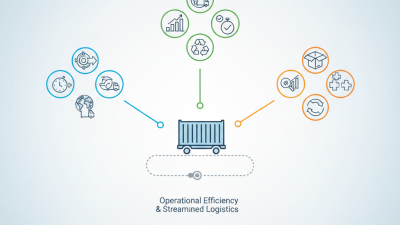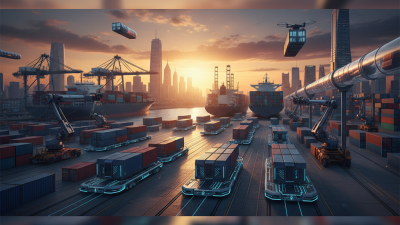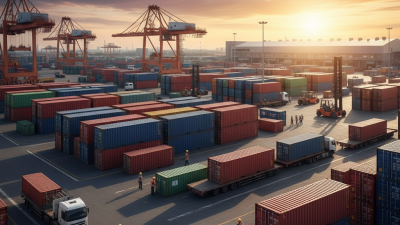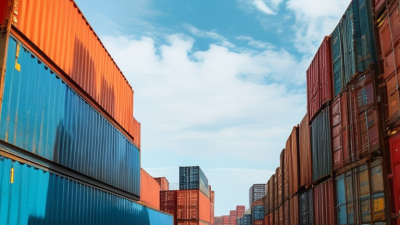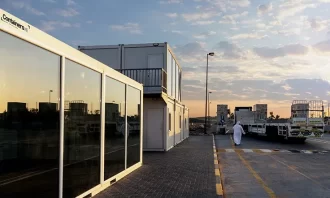
Efficient shipping container transport is essential in today's global economy. Experts emphasize the importance of optimizing logistics. John Anderson, a leading figure in the shipping industry, states, "Streamlined processes can save time and reduce costs in container transport." His insights highlight the need for efficiency.
In the realm of shipping container transport, efficiency starts with proper planning. Accurate documentation is crucial for smooth operations. Furthermore, choosing the right routes can significantly impact delivery times. Small mistakes can lead to costly delays. Attention to detail in container loading can also prevent issues down the line.
However, the industry faces challenges. Not all companies prioritize efficiency. Inexperience can lead to higher operational costs. Additionally, market fluctuations can affect transport schedules. Reflecting on these issues is vital for continuous improvement.

When it comes to shipping container transport, understanding dimensions and specifications is crucial. Standard shipping containers typically come in 20-foot and 40-foot lengths. The height can vary as well, with typical options being 8.5 feet or 9.5 feet for high-cube containers. Knowing the precise dimensions allows for efficient stacking and space utilization during transport.
Efficient shipping relies on a few key tips. First, always measure your cargo accurately. This ensures you select the right container size, preventing extra costs. Second, consider weight limits. Each container has a maximum gross weight, which impacts shipping costs and safety. Lastly, be aware of handling requirements. Some materials need special care during loading and unloading.
Many transporters overlook the importance of proper container maintenance. Regular inspections can reveal hidden damages that may compromise your cargo. Moreover, stakeholders must communicate effectively to avoid errors in shipping specifications. It’s essential to keep everyone informed about changes to cargo dimensions or weights. These measures help maintain shipping efficiency and reliability.
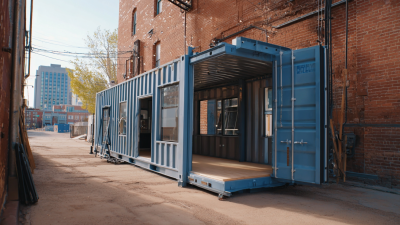
Evaluating the best routes for shipping container transport is crucial for optimizing efficiency. A recent study by the World Shipping Council revealed that route planning can impact logistics costs by up to 20%. Efficiently chosen routes save time and fuel. This translates into reduced emissions and lower expenses for businesses. Without proper analysis, routes might not be the most efficient, leading to wasted resources.
Truck transportation remains a vital part of the container shipping process. It is important to select routes that avoid congested areas. Traffic jams can delay deliveries. Using real-time traffic data can help in identifying potential blockages. Furthermore, incorporating technology to assess road conditions can prevent unexpected issues.
To further enhance transport efficiency, consider the following tips:
Proper container loading techniques significantly impact shipping efficiency. When containers are not loaded correctly, issues arise. Overloading a container can lead to structural damage during transit. Moreover, improperly balanced loads can cause tipping during transport. This not only damages the goods but also puts crew safety at risk.
Understanding weight distribution is crucial. It’s important to keep heavy items at the bottom and distribute lighter goods evenly. Using dunnage can prevent items from moving inside the container. This reduces the chances of damage and helps maintain stability. Additionally, all items should be secured properly to avoid shifting. Many overlook this, leading to costly mistakes.
Investigating past shipping issues provides valuable insights. Learning from mistakes can improve future loads. Regular training on best practices can elevate team awareness. Proper loading techniques take time to master, but the benefits are significant. Investing in this knowledge pays off in reliability and efficiency.
In the shipping industry, real-time tracking and management are essential for enhancing efficiency. According to a 2023 report by the International Maritime Organization, over 80% of shipping delays arise from inadequate tracking systems. Implementing advanced technology can mitigate these issues significantly. GPS tracking and IoT devices enable logistics companies to monitor container locations. This visibility leads to better decision-making and improved customer satisfaction.
Data accuracy is crucial. Inaccurate tracking can result in costly delays. A 2022 industry survey found that 27% of shippers experienced financial losses due to poor tracking methods. Adopting predictive analytics can provide insights into potential delays. By utilizing historical data, companies can anticipate problems proactively. This approach allows for adjustments that keep shipments on schedule.
Despite advancements, challenges remain. Many businesses struggle to integrate new technologies. A significant number of small to mid-sized companies lack the resources for comprehensive tracking systems. They often rely on outdated technologies that hinder their competitiveness. Addressing these gaps is critical for future growth in container transport. Balancing technology adoption with practical implementation remains a key hurdle for the industry.
| Tip | Description | Technology Used | Benefits |
|---|---|---|---|
| Implement Real-Time Tracking | Use GPS and IoT devices to monitor container locations in real-time. | GPS, IoT sensors | Increased visibility and reduced loss. |
| Automate Documentation | Utilize software solutions to automate paperwork for shipping. | Document management systems | Minimized errors and faster processing. |
| Enhance Communication | Use platforms to improve communication with stakeholders. | Communication tools | Better coordination and quicker response times. |
| Integrate Supply Chain Systems | Connect various supply chain systems for seamless information flow. | ERP software | Increased efficiency and reduced delays. |
| Utilize Data Analytics | Analyze historical data to predict shipping trends and optimize routes. | Data analytics tools | Enhanced decision-making and cost savings. |
| Implement Container Management Software | Use software to keep track of container inventory and maintenance. | Container management systems | Improved tracking and reduced downtime. |
| Adopt Cloud-Based Solutions | Move services to the cloud for better access and collaboration. | Cloud computing platforms | Flexibility and scalability in operations. |
| Focus on Training | Provide ongoing training for staff on new technologies. | Training programs | Empowered workforce and better operational effectiveness. |
| Enhance Security Measures | Use technology to improve the security of containers. | Security systems | Reduced theft and security breaches. |
| Adopt Sustainable Practices | Implement eco-friendly practices to reduce carbon footprint. | Sustainable logistics solutions | Enhanced brand reputation and compliance with regulations. |
When evaluating cost-effective shipping options, it's crucial to consider different methods of transport. The choice between sea, air, and land can significantly impact both cost and delivery times. According to industry reports, shipping by sea remains the most economical option, with costs averaging $1,500 per container. In contrast, air freight can soar over $5,000 for the same container, making it less viable for many shipments.
Regulatory compliance plays a pivotal role in shipping efficiency. Understanding international shipping regulations can prevent costly delays. For instance, failure to adhere to customs protocols can result in significant fines and prolonged shipping times. Statistics show that around 10% of shipments face customs inspections, adding to the transport timeline. Various digital tools can help monitor these regulations, but companies often overlook them, leading to inefficient logistics.
Moreover, container dimensions and load factors should be examined closely. Suboptimal container loading can decrease shipping efficiency and increase costs. The ideal loading ratio is about 80%. Less than this can imply wasted space, which affects overall profitability. Fine-tuning these details can lead to better decision-making and enhanced shipping performance.
Subscribe to our newsletter for the latest news and exclusive offers.
We hold a long-term view when we build modular rooms taking into consideration your changing needs. Whether it’s shifting your workspace to a new site, redesigning your unit to fit new requirements, or simply clearing the area at the end of the project, our Dismantling & Reassembling teams are pressed into service to get the job done in the quickest possible time and minimum resource wastage.
We understand that every project is unique and therefore has a different set of requirements. That’s why we believe in customizing our solutions to fit individual needs. We are equipped with the right talents, technology, and skillset to offer bespoke modular units, without compromising on turnaround time or quality.
The benefits of choosing Containers ME continues long after the installation of the units as we provide aftersales service for as long as you need. All you have to do is sign the Annual Maintenance Contract (AMC) and enjoy technical support for all the maintenance-related issues. By signing the contract, you can rest assured that a highly professional team of dedicated staff are at your service all year round to attend to your needs.
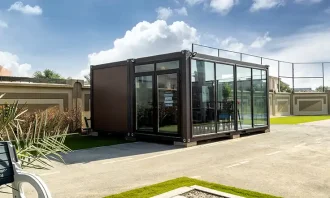
We specialize in Customized Container Solutions designed to meet diverse needs across the UAE. Our offerings include customized modular containers that cater to various applications, from tailor-made container solutions to bespoke container designs.
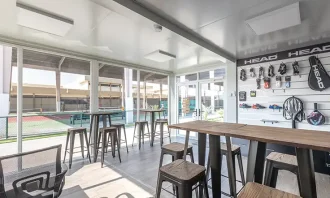
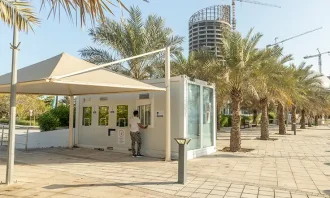
Whether you’re looking for personalized container homes or custom modular containers, we have you covered. Our customized container offices provide functional workspaces, while our customized portable containers ensure flexibility on-site. Explore our range of custom container storage units and customized cargo containers to optimize your space.
We also offer custom container leasing and custom container fabrication services, along with customized sea containers designed for secure transport. For specialized needs, our specialized container modifications will help you create the perfect solution for your requirements in both Dubai and the broader UAE.