Blogs

Top 10 Types of Heat Resisting Waterproof Rubber Tape

Choosing the right Heat Resisting Waterproof Rubber Tape can prevent leaks, insulation damage, and costly maintenance. These tapes are designed for demanding areas where moisture, heat, vibration, and surface movement occur together. A reliable product should create a tight seal while remaining flexible under changing temperatures.

This guide examines the Top 10 Types of Heat Resisting Waterproof Rubber Tape, including silicone, butyl, EPDM, self-fusing, and reinforced varieties. Each type has a different balance of temperature resistance, adhesion, elasticity, thickness, and durability. For example, silicone tape may perform well around hot pipes and electrical connections, while butyl tape often provides strong moisture protection on roofs, ducts, and metal joints. The best choice depends on the substrate and working environment.

Small details matter. A dusty surface can weaken even premium tape. Poor stretching may leave gaps around a curved fitting. Hands-on testing shows that surface preparation, overlap length, and curing time affect results as much as the tape itself. That point is easy to overlook.

The following overview compares practical uses, strengths, limitations, and selection considerations for each tape type. It also discusses temperature ratings, water exposure, outdoor aging, and installation technique. Product specifications should still be checked carefully, because advertised performance may vary between manufacturers. Some applications require professional assessment, especially near heat sources, electrical equipment, or pressurized systems. No tape is universal. Expect trade-offs, not magic.
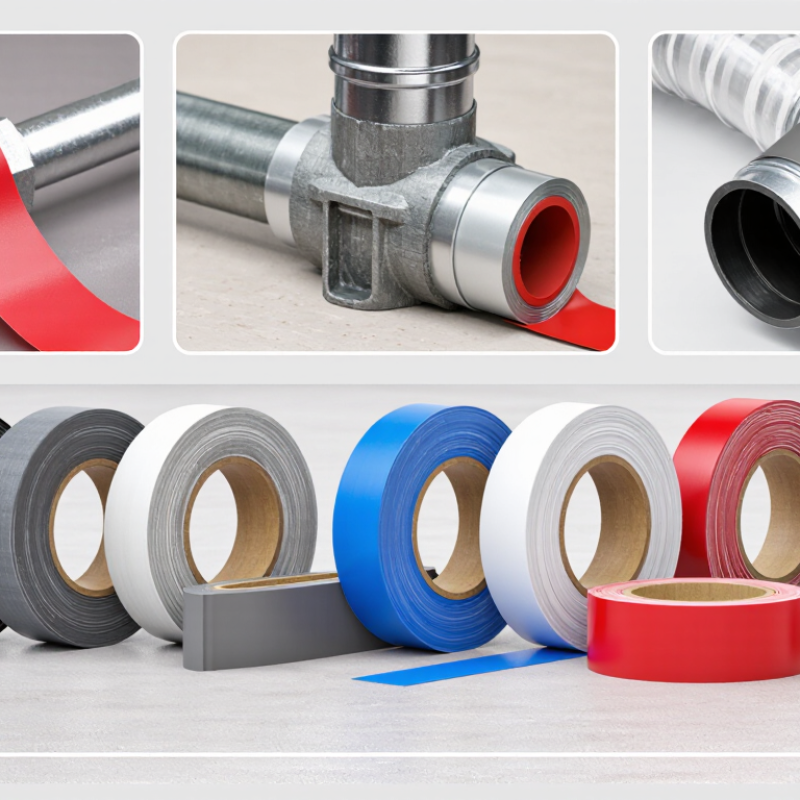
Top 10 Types of Heat Resisting Waterproof Rubber Tape

What Defines Heat-Resistant Waterproof Rubber Tape

What Defines Heat-Resistant Waterproof Rubber Tape

Heat-resistant waterproof rubber tape is defined by performance, not appearance. Its rubber compound must remain flexible when exposed to heat, moisture, vibration, and pressure. Common types include silicone self-fusing tape, EPDM tape, butyl rubber tape, fiberglass-reinforced tape, and high-temperature sealing tape. Each type suits different conditions.

A reliable tape should state its working temperature range, water resistance, insulation properties, and surface compatibility. Silicone tape usually performs well around irregular joints and electrical connections. Butyl tape creates a strong moisture barrier on clean, dry surfaces. EPDM tape resists weathering, while reinforced designs tolerate greater pulling force. In field maintenance, installers often test a small section first. This prevents poor bonding on dusty metal or oily plastic.

Tips: Clean the surface thoroughly. Stretch self-fusing tape evenly, with slight overlap. Avoid stretching ordinary adhesive tape too tightly, because heat can weaken the bond. Check the product’s temperature rating against the actual operating environment, not the expected average. A pipe may feel moderate outside while remaining much hotter underneath. Cutting corners here is easy. It is also a mistake. One overlooked detail is pressure: waterproof tape may seal rainwater but fail against constant internal pressure. Regular inspection remains useful, especially after repeated heating and cooling cycles.

The Ten Main Types and Their Material Structures

Top 10 Types of Heat Resisting Waterproof Rubber Tape

The Ten Main Types and Their Material Structures

Heat resisting waterproof rubber tape differs mainly through its polymer base, reinforcement, and adhesive layer. Silicone rubber tape remains flexible at high temperatures and often forms a sealed, self-fusing structure. Fluorosilicone tape adds fluorinated groups, improving resistance to oils and fuels. Fluoroelastomer tape uses a dense fluorinated backbone for strong chemical and thermal stability. EPDM tape contains a weather-resistant synthetic rubber structure, making it useful outdoors. Butyl rubber tape has a soft, low-permeability structure that blocks moisture effectively. Neoprene tape balances weather resistance, flexibility, and moderate heat tolerance. Acrylic adhesive rubber tape combines a rubber backing with a pressure-sensitive acrylic layer. Fiberglass-reinforced silicone tape includes woven glass fibers for greater tear strength. Polyester-reinforced rubber tape uses a thin fabric core to reduce stretching. Self-amalgamating rubber tape, usually silicone or EPR-based, bonds into one continuous insulating layer without a separate adhesive.

Tips: Check the actual service temperature, not only the advertised peak. Measure the pipe or cable first. A loose overlap can create a hidden water path. Clean, dry surfaces matter greatly. Stretch self-fusing tape evenly, but do not overstretch reinforced types.

In practical repairs, I look for edge lifting, surface contamination, and repeated heating cycles. These details often reveal failure sooner than laboratory ratings. No single tape wins every test. A silicone structure may survive heat but offer limited abrasion resistance. Butyl may seal beautifully yet deform under tension. I still recheck the specification sheet, because product construction and testing methods can vary. Temperature, pressure, movement, and chemical exposure should guide the final selection.

Performance Differences Across Temperature and Water Conditions

Top 10 Types of Heat Resisting Waterproof Rubber Tape

Performance Differences Across Temperature and Water Conditions

Heat-resistant waterproof rubber tape does not perform equally in every environment. Silicone tape tolerates wide temperature changes and remains flexible around hot pipes. EPDM resists rain, steam, and sunlight well, but it bonds poorly to oily surfaces. Butyl tape creates a strong moisture barrier at moderate temperatures. PVC tape is practical for light protection, although it can soften near sustained heat.

Other useful types include PTFE tape, fiberglass silicone tape, acrylic adhesive tape, polyurethane tape, nitrile rubber tape, and neoprene tape. PTFE handles chemicals and high heat, but it lacks strong surface grip. Fiberglass silicone tape survives intense heat and open-air exposure. Acrylic tape performs well outdoors after proper curing. Nitrile suits oil-contaminated areas, while neoprene offers balanced weather resistance.

Water conditions change the selection. Saltwater, condensation, pressure, and repeated soaking can expose weak edges quickly. A tape may resist water but still fail when the surface expands. I have seen secure-looking wraps loosen after one cold-to-hot cycle. That result is easy to underestimate. Clean, dry surfaces improve adhesion, especially on metal and painted surfaces. For submerged use, verify the product’s tested rating instead of trusting the word “waterproof.” Temperature data also matters: short heat spikes and continuous heat are not equivalent. A careful installer should test a small section first.

Typical Uses in Electrical, Mechanical, and Industrial Settings

Top 10 Types of Heat Resisting Waterproof Rubber Tape

Typical Uses in Electrical, Mechanical, and Industrial Settings

Heat resisting waterproof rubber tape is selected by temperature, voltage, movement, and chemical exposure. Common types include silicone self-fusing tape, EPDM insulating tape, butyl sealing tape, fiberglass-reinforced silicone tape, acrylic rubber tape, neoprene tape, fluorosilicone tape, high-temperature PVC tape, mastic rubber tape, and vulcanizing repair tape. Each behaves differently under heat, stretching, and pressure.

In electrical work, silicone and EPDM tapes often protect cable splices, motor leads, terminal joints, and outdoor connections. A tight half-lapped wrap can exclude rain and reduce moisture tracking. The surface must be clean and dry. Dust ruins adhesion quickly. For high-voltage applications, installers should check dielectric strength, insulation thickness, and local electrical requirements. Waterproof does not automatically mean electrically safe.

Mechanical teams use reinforced silicone tape around hoses, pipe joints, sharp edges, and vibrating fittings. Butyl and mastic tapes can seal irregular surfaces, while neoprene tape resists abrasion around moving equipment. In factories, these materials help protect sensors, temporary repairs, valve insulation, and exposed wiring near heat sources. I have seen clean-looking wraps fail because the tape was stretched beyond its design. Chemical compatibility also gets overlooked. Oil, solvents, steam, and repeated flexing may shorten service life. Temperature ratings describe limits, not permanent permission to ignore inspection. A small test section is often wiser than trusting appearance alone.

How to Select the Right Heat-Resistant Waterproof Rubber Tape

Choosing the right heat-resistant waterproof rubber tape starts with the actual working environment. Check continuous temperature, short-term temperature, moisture exposure, and surface material. A tape rated for 120°C may fail beside a hot pipe if the heat remains constant. Look for tested temperature limits, dielectric strength, elongation, and peel adhesion. ASTM D1000 provides common methods for evaluating pressure-sensitive tape performance, while UL 510 is relevant when electrical insulation is required.

Waterproofing needs closer attention. “Water-resistant” may only describe brief splashes. For outdoor joints, cable repairs, or damp machinery, select rubber tape with strong conformability and low water absorption. Press it firmly around the joint, stretching it evenly without tearing. Overlap each layer by half its width. A practical test is simple: apply the tape to a clean metal surface, expose it to heat and moisture, then inspect edges, bubbles, and tack loss after 24 hours. It is not a perfect laboratory test, but it reveals careless selection.

A 2024 Grand View Research report projects steady growth in the pressure-sensitive tapes market, with demand supported by electrical, construction, and automotive applications. Growth does not guarantee suitability. I have seen tapes fail because users checked peak temperature but ignored oil, dust, or substrate movement. Sometimes the better choice is thicker tape, not a higher temperature rating. Always compare the manufacturer’s test conditions with your real installation. Related data should be treated carefully. Different laboratories may use different exposure times and surfaces.

Plug & Play Installation

Our installation services are top-notch, delivering modular systems for any application on time in plug & play condition. We leave nothing for you to figure out, set up, or fix. All you’ve to do is just step in, and get going with your business.

Dismantling & Reassembling

We hold a long-term view when we build modular rooms taking into consideration your changing needs. Whether it’s shifting your workspace to a new site, redesigning your unit to fit new requirements, or simply clearing the area at the end of the project, our Dismantling & Reassembling teams are pressed into service to get the job done in the quickest possible time and minimum resource wastage.

Interior Designing

Our interior designs combine both functional and aesthetic aspects to provide you with physical and emotional comfort. We ask you for your preferences and give the best possible solutions aligned to your tastes. Our units are built to be modern, stylish, and elegant.

Bespoke Solutions

We understand that every project is unique and therefore has a different set of requirements. That’s why we believe in customizing our solutions to fit individual needs. We are equipped with the right talents, technology, and skillset to offer bespoke modular units, without compromising on turnaround time or quality.

Aftersales Service

The benefits of choosing Containers ME continues long after the installation of the units as we provide aftersales service for as long as you need. All you have to do is sign the Annual Maintenance Contract (AMC) and enjoy technical support for all the maintenance-related issues. By signing the contract, you can rest assured that a highly professional team of dedicated staff are at your service all year round to attend to your needs.

Customized Container Solutions

We specialize in Customized Container Solutions designed to meet diverse needs across the UAE. Our offerings include customized modular containers that cater to various applications, from tailor-made container solutions to bespoke container designs.

Whether you’re looking for personalized container homes or custom modular containers, we have you covered. Our customized container offices provide functional workspaces, while our customized portable containers ensure flexibility on-site. Explore our range of custom container storage units and customized cargo containers to optimize your space.

We also offer custom container leasing and custom container fabrication services, along with customized sea containers designed for secure transport. For specialized needs, our specialized container modifications will help you create the perfect solution for your requirements in both Dubai and the broader UAE.

Get a quote

Get a quote