
Blogs

What Are the Top 10 Floor Grating Types?

Floor Grating is more than a metal surface placed above a drain, machine pit, or service corridor. It affects worker safety, airflow, drainage, maintenance time, and long-term facility costs. The question, “What Are the Top 10 Floor Grating Types?”, therefore requires more than a simple product list. Each type responds to different loads, environments, and access requirements.

Industry guidance supports this practical approach. OSHA’s Walking-Working Surfaces standard, 29 CFR 1910.22, emphasizes surfaces that remain clean, orderly, dry, and capable of supporting intended loads. ISO 14122 also provides safety principles for permanent access systems around machinery. Meanwhile, market analyses from Grand View Research and Mordor Intelligence identify construction, industrial infrastructure, water treatment, and energy facilities as major demand sectors for metal grating. These findings show why material selection cannot rely on appearance alone.

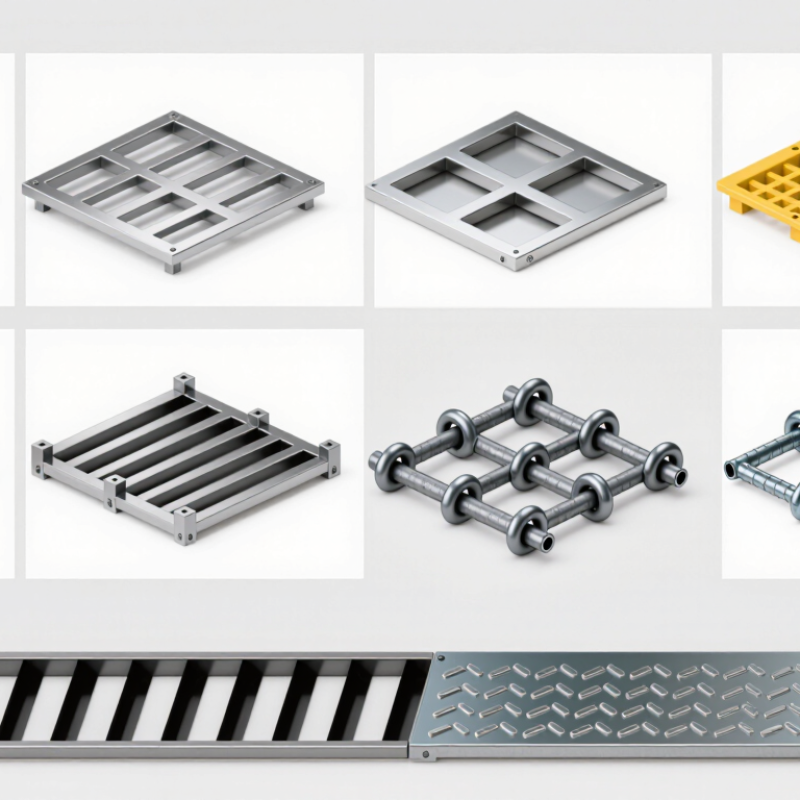
This guide compares ten widely used Floor Grating types, including steel, aluminum, stainless steel, fiberglass reinforced plastic, welded, press-locked, swage-locked, bar, trench, and safety grating. It considers load capacity, corrosion resistance, slip control, span, fabrication, and maintenance. A stainless-steel panel may suit a wet processing area, while galvanized steel often serves outdoor platforms more economically. FRP can reduce corrosion concerns, but its behavior under heat and impact needs careful review. No single type wins everywhere. That is the part many product comparisons overlook. Specifications, local conditions, and verified test data should shape the final decision.
What Are the Top 10 Floor Grating Types?

What Floor Grating Is and How It Is Classified

What Are the Top 10 Floor Grating Types?

Floor grating is a load-bearing walkway made with repeated openings. Its classification starts with material, manufacturing method, and surface design. The ten common types are welded steel, press-locked steel, riveted steel, swage-locked steel, aluminum, stainless steel, expanded metal, perforated plate, molded FRP, and pultruded FRP. Welded grating usually carries heavy industrial loads. Press-locked panels offer a cleaner architectural appearance. FRP resists corrosion in wet areas, although its stiffness and fire performance require careful checking.

A second classification uses bearing-bar depth, spacing, span, and surface finish. Serrated bars improve traction, while smooth bars are easier to clean. Hinged panels and removable sections support maintenance access. ASTM F1637 addresses safe walking surfaces, and NAAMM MBG 531 provides widely used guidance for metal bar grating selection. The U.S. Bureau of Labor Statistics recorded 885 fatal workplace falls, slips, and trips in 2023. That figure does not prove grating caused those incidents, but it reinforces the need for verified load and slip decisions. Steel also deserves scrutiny. World Steel Association data reports about 1.89 billion tonnes of crude steel production in 2023, while steelmaking remains carbon-intensive. A designer may choose galvanized steel for durability, yet corrosion exposure, drainage, and lifecycle impacts can change the better answer. The categories overlap. A neat list can mislead. Load tables still need site-specific review.


What Are the Top 10 Floor Grating Types? - What Floor Grating Is and How It Is Classified

No. Floor Grating Type Basic Construction Common Materials Manufacturing or Surface Method Main Classification Characteristics Typical Applications Key Advantages Important Selection Considerations
1 Welded Bar Grating Load-bearing bars are welded to perpendicular cross bars at their intersections. Carbon steel Stainless steel Aluminum Resistance welding; commonly supplied with plain or serrated bearing bars. Classified by bearing-bar depth, thickness, spacing, cross-bar spacing, and surface profile. Industrial walkways, platforms, mezzanines, equipment floors, stair treads, and drainage covers. High stiffness, dependable load transfer, open drainage, and relatively low weight compared with solid plate. Confirm the required span, concentrated load, pedestrian traffic, corrosion exposure, and deflection limit.
2 Press-Locked Grating Cross bars are mechanically forced into pre-punched slots in the bearing bars. Carbon steel Stainless steel Aluminum Pressure-locked assembly; cross bars may be square, rectangular, or round. Classified by locking method, bar shape, panel geometry, spacing, and bearing-bar dimensions. Architectural floors, ventilation screens, platforms, ceiling panels, and areas requiring a uniform appearance. Clean visual lines, good lateral stability, and flexible panel design. Check resistance to impact, twisting, vibration, and corrosive conditions because performance depends on the joint design.
3 Swage-Locked Grating Cross bars are inserted through punched bearing bars and mechanically expanded to lock them in position. Aluminum Steel Stainless steel Swaging or mechanical deformation creates a rigid connection at each crossing point. Classified by cross-bar profile, bar spacing, material, and connection configuration. Good visual uniformity, strong panel integrity, and suitability for many lightweight floor systems. Evaluate joint security, load direction, panel support, and compatibility with the selected material.
4 Riveted Grating Rivets connect the bearing bars and cross bars, often using tubular or solid rivet arrangements. Carbon steel Stainless steel Mechanical riveting; often combined with serrated bearing bars for improved slip resistance. Classified by rivet pattern, bearing-bar profile, cross-bar design, and panel load rating. Heavy-duty walkways, bridges, industrial platforms, and locations subject to vibration or impact. Robust mechanical connections and good resistance to repeated service loads. Inspect rivet condition, bearing support, corrosion protection, and access for maintenance.
5 Serrated-Surface Grating Any compatible grating panel with serrations cut or formed into the upper surface of the bearing bars. Steel Stainless steel Aluminum Serrations may be applied to the full bearing bar or to selected areas of the walking surface. Classified primarily by anti-slip surface pattern, bar profile, pitch, and base grating construction. Improved traction in wet, oily, muddy, or snowy environments. Consider footwear, contamination type, cleaning requirements, sharp-edge exposure, and accessibility needs.
6 Smooth-Surface Grating Grating with plain, non-serrated upper bearing-bar surfaces. Carbon steel Stainless steel Aluminum Plain rolled, extruded, or fabricated bearing bars without raised serrations. Classified by open-area ratio, bar spacing, load-bearing dimensions, and surface finish. Dry indoor platforms, architectural floors, removable access panels, and areas requiring easy cleaning. Smoother walking surface, convenient cleaning, and reduced risk of snagging small objects. Use only where slip risk is controlled; assess water, oil, ice, and other contaminants before selection.
7 Heavy-Duty Grating Grating manufactured with deeper or thicker bearing bars and closer support requirements for higher loads. Carbon steel Stainless steel Usually welded, press-locked, or riveted, with load-bearing members sized for demanding service. Classified by design load, span, bearing-bar size, panel support, and allowable deflection. Vehicle-access areas, loading platforms, industrial floors, heavy equipment zones, and trench covers. Higher load capacity and increased resistance to impact when correctly supported. Design must account for wheel loads, point loads, dynamic effects, support conditions, and local structural codes.
8 Light-Duty Grating Grating using smaller or thinner bearing bars for pedestrian or low-load applications. Aluminum Steel Fiberglass Commonly molded, pultruded, welded, or mechanically locked, depending on the material. Classified by pedestrian load rating, panel thickness, open area, and support span. Low self-weight, easier handling, and efficient ventilation or drainage for lightly loaded areas. Ceilings, service platforms, walkways, inspection areas, and access panels. Do not substitute it for vehicle or heavy-equipment service; verify span and expected concentrated loads.
9 Fiberglass-Reinforced Plastic Grating Glass fibers embedded in a resin matrix form load-bearing bars and cross members. FRP Vinyl ester resin Polyester resin Molded or pultruded construction; surfaces may include grit or integral anti-slip particles. Classified by resin type, fiber orientation, manufacturing process, mesh size, thickness, and surface finish. Corrosion resistance, electrical non-conductivity, low maintenance, and easy field handling. Chemical plants, wastewater facilities, marine areas, food-processing zones, and electrical work areas. Check chemical compatibility, UV exposure, fire performance, temperature range, creep, and required load span.
10 Expanded Metal Grating A single sheet is slit and stretched to form interconnected diamond-shaped openings. Carbon steel Stainless steel Aluminum Manufactured without separate cross bars; mesh size and strand dimensions define the panel structure. Classified by long-way opening, short-way opening, strand width, strand thickness, and panel orientation. Continuous surface, good lateral rigidity, ventilation, and efficient material use. Machine guards, walkways, platforms, ramps, screens, and general access flooring. Verify walking comfort, opening size, edge safety, slip resistance, support spacing, and load capacity.

The Top 10 Floor Grating Types and Their Key Features

What Are the Top 10 Floor Grating Types?

The top ten floor grating types differ in load capacity, drainage, grip, and installation speed. Welded steel grating offers strong, economical support for platforms and walkways. Serrated welded grating adds traction around oil, water, and mud. Press-locked grating provides a clean appearance and close bar spacing. Riveted grating handles vibration well, although its heavier construction can complicate installation. Swage-locked aluminum grating is lightweight, corrosion resistant, and useful where lifting loads must remain low.

Molded FRP grating resists moisture, chemicals, and electrical conductivity. Pultruded FRP grating provides longer spans and stronger directional support. Expanded metal grating forms a continuous surface with useful airflow and slip resistance.

Perforated grating offers controlled drainage and a flatter walking surface, but blocked holes can reduce performance. Trench grating covers drainage channels while maintaining pedestrian access. Its load class must match vehicles, wheels, and impact conditions.

No type wins everywhere. A 2024 Grand View Research market analysis identifies corrosion resistance and industrial flooring as major demand drivers. The World Steel Association reported about 1.89 billion tonnes of crude steel production in 2023, supporting steel’s broad industrial availability. The U.S. Bureau of Labor Statistics recorded 865 fatal workplace falls, slips, and trips in 2022. That figure makes surface grip and secure installation practical safety concerns. I would not select grating from load tables alone. Check span, deflection, drainage, corrosion exposure, and maintenance access. Small omissions matter.

How Each Floor Grating Type Performs in Different Environments

What Are the Top 10 Floor Grating Types?

How Each Floor Grating Type Performs in Different Environments

Floor grating performs differently under water, chemicals, heat, and heavy traffic. Welded steel grating suits factories, loading areas, and platforms carrying forklifts. Galvanized steel resists outdoor moisture, although damaged coatings can rust quickly. Press-locked grating offers a neat surface for walkways and light industrial floors. Riveted grating handles vibration well, making it useful around machinery. Swage-locked aluminum grating reduces structural weight on rooftops and elevated decks.

Corrosion changes the decision. Stainless steel grating performs reliably in food plants, coastal buildings, and washdown zones. Molded FRP grating resists acids, saltwater, and many chemicals while providing strong slip resistance. Pultruded FRP grating spans longer distances with low weight, but its directional strength requires careful panel placement. Expanded metal grating is economical for ramps and security walkways, though its smaller openings can hold dirt. Perforated plate grating creates a quieter, more solid walking surface, but drainage is slower.

Field checks matter more than appearance. Wet shoes can defeat a smooth finish. Small debris can block narrow openings. A recurring design mistake is choosing by price alone. Load rating, span, support spacing, temperature, and cleaning methods should guide the selection. No type wins everywhere. Even FRP needs inspection for fading, surface wear, and damaged connections. That detail is easy to miss.

Factors for Comparing Strength, Safety, Cost, and Maintenance

What Are the Top 10 Floor Grating Types?

Comparing floor grating starts with load, span, and daily traffic. Welded steel grating handles heavy platforms, service walkways, and industrial equipment well. Press-locked steel looks cleaner, but it may deform sooner under concentrated loads. Riveted steel reduces vibration, although its joints can demand closer inspection. Serrated steel improves slip resistance around oil or rain. Safety depends on more than strength.

Aluminum grating is lightweight and resists many corrosive environments, but it usually carries less load than steel. Stainless steel offers strong corrosion resistance, yet its purchase cost is high. Molded FRP grating stays nonconductive and performs well near chemicals. Pultruded FRP provides longer directional spans, but cutting requires careful edge sealing. Expanded metal offers good airflow and economical coverage. Perforated plate gives a solid walking surface, though drainage is weaker.

Cost comparisons should include installation, coatings, fasteners, and replacement intervals. A cheap grating can become expensive after repeated repainting. Maintenance teams should check loose panels, blocked openings, sharp edges, and corrosion beneath supports. Load tables and site measurements matter more than appearance. My first choice may change after seeing forklift routes or standing water. That uncertainty is useful. It prevents a confident but poorly supported specification. A small sample panel can reveal noise, flex, cleaning difficulty, and slippery areas before full installation.

How to Select the Right Floor Grating for a Specific Application

What Are the Top 10 Floor Grating Types?

How to Select the Right Floor Grating for a Specific Application

Floor grating selection should begin with the working environment, not appearance. Common options include welded, press-locked, riveted, swage-locked, expanded-metal, perforated, molded FRP, pultruded FRP, trench, and heavy-duty grating. Each type manages loads, moisture, chemicals, and foot traffic differently. A busy factory walkway needs dependable load support and slip resistance. Welded steel grating often suits this setting. Press-locked grating offers a cleaner surface for moderate-duty platforms.

Measure the expected load, span, opening size, and support spacing. Small openings help prevent tools, heels, or debris from falling through. For drainage areas, trench grating should match the channel width and traffic level. Wet rooms may benefit from serrated surfaces or corrosion-resistant materials. FRP grating performs well near saltwater and many chemicals, but resin compatibility still requires verification. Do not assume one material handles every chemical safely.

Temperature, cleaning methods, installation access, and maintenance also affect the decision. Heavy vehicles require stronger panels than pedestrian platforms. Expanded metal can provide useful ventilation, though it may feel less comfortable under prolonged standing. A supplier’s load table should be checked against real support conditions. A quick selection can be wrong. Field measurements are sometimes incomplete, and that weakness deserves attention before ordering. Samples, slip testing, and a review by a qualified engineer can prevent costly changes.

Plug & Play Installation

Our installation services are top-notch, delivering modular systems for any application on time in plug & play condition. We leave nothing for you to figure out, set up, or fix. All you’ve to do is just step in, and get going with your business.

Dismantling & Reassembling

We hold a long-term view when we build modular rooms taking into consideration your changing needs. Whether it’s shifting your workspace to a new site, redesigning your unit to fit new requirements, or simply clearing the area at the end of the project, our Dismantling & Reassembling teams are pressed into service to get the job done in the quickest possible time and minimum resource wastage.

Interior Designing

Our interior designs combine both functional and aesthetic aspects to provide you with physical and emotional comfort. We ask you for your preferences and give the best possible solutions aligned to your tastes. Our units are built to be modern, stylish, and elegant.

Bespoke Solutions

We understand that every project is unique and therefore has a different set of requirements. That’s why we believe in customizing our solutions to fit individual needs. We are equipped with the right talents, technology, and skillset to offer bespoke modular units, without compromising on turnaround time or quality.

Aftersales Service

The benefits of choosing Containers ME continues long after the installation of the units as we provide aftersales service for as long as you need. All you have to do is sign the Annual Maintenance Contract (AMC) and enjoy technical support for all the maintenance-related issues. By signing the contract, you can rest assured that a highly professional team of dedicated staff are at your service all year round to attend to your needs.

Customized Container Solutions

We specialize in Customized Container Solutions designed to meet diverse needs across the UAE. Our offerings include customized modular containers that cater to various applications, from tailor-made container solutions to bespoke container designs.

Whether you’re looking for personalized container homes or custom modular containers, we have you covered. Our customized container offices provide functional workspaces, while our customized portable containers ensure flexibility on-site. Explore our range of custom container storage units and customized cargo containers to optimize your space.

We also offer custom container leasing and custom container fabrication services, along with customized sea containers designed for secure transport. For specialized needs, our specialized container modifications will help you create the perfect solution for your requirements in both Dubai and the broader UAE.

Get a quote

Get a quote



