
Choosing China’s top Biological Water Treatment suppliers takes more than comparing price lists. A supplier’s real value appears in the details: process design, biological performance data, commissioning support, and access to replacement parts. A reactor drawing may look convincing, yet the operating record matters more. Ask how the system handles changing flows, temperature shifts, and difficult influent. Request project references with similar wastewater characteristics, not just impressive photographs. Small details count.
Professor Bruce Rittmann, a leading environmental biotechnology researcher, has advanced the role of microbial communities in treatment systems. A concise paraphrase of his work is: “Microorganisms drive treatment, while operating conditions shape their performance.” This is a paraphrase, not a verbatim quotation. That distinction matters when evaluating technical claims. A credible supplier should explain how its process supports stable microbial activity, controls sludge, and meets the buyer’s stated discharge goals. It should also be candid about limits, energy use, and maintenance needs. No system is perfect. Some supplier pages provide little evidence, so independent verification remains essential. This guide introduces prominent Chinese suppliers and practical questions for comparing their technologies, documentation, and after-sales service. The strongest choice is not always the largest company; it is the one whose evidence matches your site.
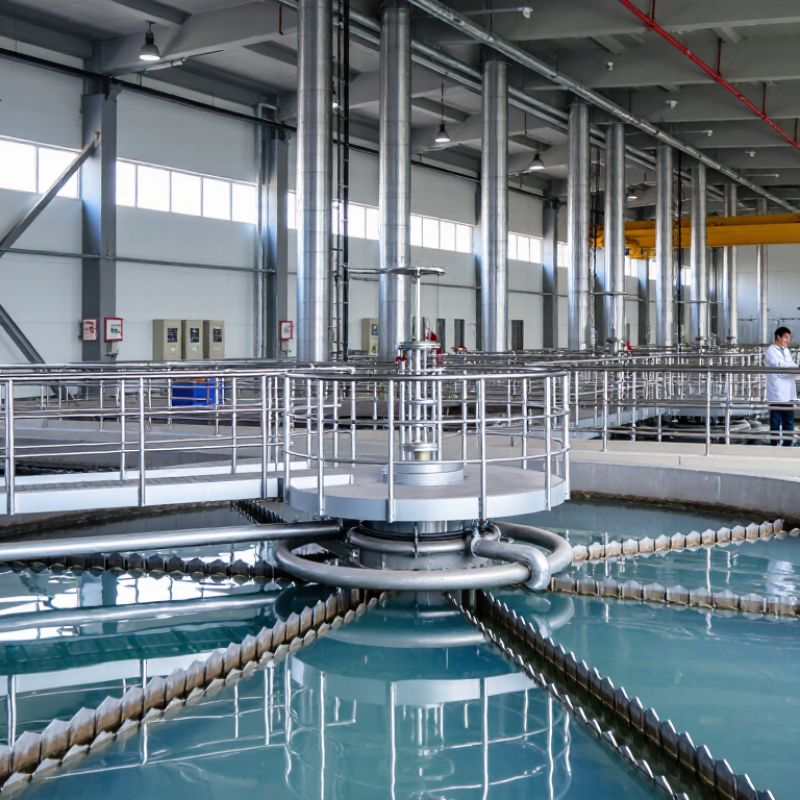
Biological water treatment uses microorganisms to reduce biodegradable pollutants in municipal sewage and industrial wastewater. In China, applications range from dense urban plants to food-processing facilities and textile operations. The right design depends on influent strength, temperature, available land, and discharge targets. Real samples matter.
Aerobic systems supply oxygen so microbes can consume organic matter. Activated sludge is widely used, while sequencing batch reactors combine filling, aeration, settling, and decanting in one tank. Moving-bed biofilm reactors retain attached growth on plastic carriers, helping plants handle changing loads. Anaerobic treatment can reduce sludge production and recover biogas from concentrated wastewater, but it needs careful temperature and odor management. Membrane bioreactors pair biological treatment with fine filtration; they produce clear effluent, though membranes need cleaning and replacement.
Operators monitor dissolved oxygen, sludge settling, nutrient balance, and incoming flow, not just equipment labels. A sudden wash-water surge can upset a stable basin. Small monitoring errors matter. Biological systems also respond slowly to toxic shocks, so equalization tanks and routine sampling can help protect performance. These methods are not interchangeable; local operating data should guide selection. Even sound designs need adjustment after commissioning, a challenge that is easy to underestimate.

MOHURD reported that China’s urban sewage treatment rate reached 98.1% in 2022. This is a major infrastructure milestone. It reflects the share of urban sewage treated, but it does not describe every plant’s performance. A high national rate cannot show whether local facilities handle stormwater inflows, changing wastewater loads, or seasonal temperature shifts equally well.
For biological treatment, operating conditions matter. Microorganisms need suitable oxygen, contact time, and stable conditions to remove pollutants effectively. A plant serving a dense district may face different challenges from one treating wastewater in a smaller city. The 98.1% figure offers important context, not a complete scorecard. Buyers assessing Chinese suppliers should examine process data, commissioning support, energy use, and maintenance requirements. Ask for performance records under conditions similar to the project site. Paper specifications alone can miss practical gaps.
Tips: Request clear influent and effluent data, plus details on how results were measured. Check whether the proposed process can adapt to load changes. Small details count. A supplier’s ability to support local operators may matter as much as the equipment itself.
China’s biological water-treatment suppliers often fit three practical categories: EPC contractors, membrane bioreactor firms, and biofilm specialists. EPC contractors coordinate process design, civil works, equipment, commissioning, and operator training. They can simplify complex projects, especially when a factory needs one team to manage tanks, pipelines, controls, and biological treatment. Ask for comparable project records, not just equipment lists. Details matter.
MBR firms focus on combining biological treatment with membrane separation. Their systems can produce compact, reusable effluent, but membrane cleaning, energy demand, and replacement intervals affect operating costs. Request performance data from sites with similar wastewater, temperature, and flow variation. A polished pilot result may not reflect a difficult production season.
Biofilm specialists supply or design media-based processes, such as moving-bed and fixed-film systems. These can help facilities handle changing loads without expanding every tank. Check media retention, aeration layout, and how operators remove excess solids. I would not treat these categories as clean boxes; some suppliers cover more than one. Not always. Compare lifecycle costs, local service response, and independently verifiable references before shortlisting a supplier.
For buyers comparing biological water treatment suppliers in China, GB 18918-2002 Class 1A provides a useful performance benchmark. The limits include COD at no more than 50 mg/L and BOD₅ at no more than 10 mg/L. These are treated-effluent limits, subject to the standard’s applicable conditions—not automatic results for every facility. Small details matter.
A supplier should explain how its process is designed to meet those limits under the site’s actual influent conditions. Ask for the design basis, expected flow and pollutant ranges, commissioning records, and a clear account of sampling and testing. Biological treatment can reduce biodegradable organics, but persistent compounds may leave residual COD. Aeration control, temperature, and sludge settling can also affect day-to-day results. Check how the proposed system handles peak flows and operating changes, not only average conditions. A tidy design drawing is reassuring, but it cannot replace operating data. Even experienced teams may need to adjust the process after startup.
GB 18918-2002 sets maximum Class 1A effluent concentrations of COD ≤50 mg/L and BOD₅ ≤10 mg/L. These are regulatory limits, not measured results from any supplier or treatment plant.
Choosing a biological water-treatment supplier in China requires more than comparing rated capacity. UN-Water’s 2024 progress report estimates that only 58% of household wastewater worldwide was safely treated in 2022. That gap makes verified performance important. Ask for operating records from plants treating similar wastewater, not only laboratory results. Check daily flow, influent variation, effluent quality, and seasonal performance. A useful reference visit includes a look at the aeration tanks, sludge handling, and control-room logs.
Check that the proposed design matches your site’s actual load. Request equipment lists, process calculations, commissioning plans, and evidence of relevant quality and environmental management certifications. Confirm certificates with the issuing body. Capacity on paper can look impressive; peak flow and difficult influent often tell a different story. Ask previous clients about downtime, response times, and whether promised performance held after handover.
Price the full operating cycle, not just the equipment. U.S. EPA guidance on wastewater-facility energy efficiency identifies aeration as a major energy user, so request measured or clearly stated power assumptions. Compare chemical use, sludge disposal, spare parts, staffing, and maintenance over several years. Put service response times and performance testing into the contract. I would still treat supplier references cautiously: a polished tour is not a substitute for raw operating data.
Subscribe to our newsletter for the latest news and exclusive offers.
We hold a long-term view when we build modular rooms taking into consideration your changing needs. Whether it’s shifting your workspace to a new site, redesigning your unit to fit new requirements, or simply clearing the area at the end of the project, our Dismantling & Reassembling teams are pressed into service to get the job done in the quickest possible time and minimum resource wastage.
We understand that every project is unique and therefore has a different set of requirements. That’s why we believe in customizing our solutions to fit individual needs. We are equipped with the right talents, technology, and skillset to offer bespoke modular units, without compromising on turnaround time or quality.
The benefits of choosing Containers ME continues long after the installation of the units as we provide aftersales service for as long as you need. All you have to do is sign the Annual Maintenance Contract (AMC) and enjoy technical support for all the maintenance-related issues. By signing the contract, you can rest assured that a highly professional team of dedicated staff are at your service all year round to attend to your needs.
We specialize in Customized Container Solutions designed to meet diverse needs across the UAE. Our offerings include customized modular containers that cater to various applications, from tailor-made container solutions to bespoke container designs.
Whether you’re looking for personalized container homes or custom modular containers, we have you covered. Our customized container offices provide functional workspaces, while our customized portable containers ensure flexibility on-site. Explore our range of custom container storage units and customized cargo containers to optimize your space.
We also offer custom container leasing and custom container fabrication services, along with customized sea containers designed for secure transport. For specialized needs, our specialized container modifications will help you create the perfect solution for your requirements in both Dubai and the broader UAE.




