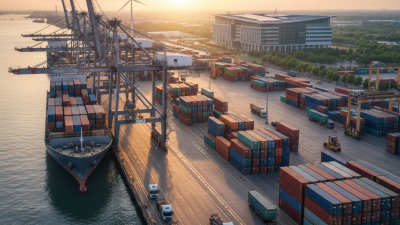
Choosing the best China shipping container leasing companies requires more than comparing daily rental prices. A reliable provider should offer suitable container types, transparent contracts, responsive maintenance, and practical depot coverage. A factory manager may need forty-foot high-cube units in Ningbo, while an exporter in Shenzhen may require refrigerated equipment before a seasonal shipment. Availability can change within hours.
John Fossey, a container equipment and leasing analyst associated with Drewry, has stated, “Leasing demand follows trade flows, fleet needs, and equipment availability.” This observation matters because China’s leasing market depends on manufacturing activity, port congestion, repositioning costs, and global trade cycles. The strongest companies usually combine modern fleets with regional knowledge. They also explain damage policies, inspection standards, insurance responsibilities, and return conditions before signing.
This guide examines leading Chinese and China-focused lessors through an operational lens. It considers fleet age, container quality, depot networks, digital booking tools, customer support, and contract flexibility. Certifications and public company information can improve confidence, but they do not guarantee a perfect experience. Some providers may advertise broad coverage while offering limited equipment at smaller ports. That gap deserves attention.
There is no universal winner. A low rate may hide transport charges, cleaning fees, or strict return rules. Buyers should request current quotations and verify equipment before committing. Real-world performance matters most. The right partner should reduce delays, not create another problem for the logistics team.
China’s container leasing market has become a major force in global logistics. Industry estimates suggest that more than 50% of the world’s container fleet is under lease. This reflects the value of flexible equipment access. Leasing can reduce upfront spending for exporters, freight forwarders, and regional transport operators. It also supports faster capacity changes during seasonal demand.
Reliable lessors usually provide dry containers, refrigerated units, and specialized equipment. Their stronger advantage is not only fleet size. Inspection quality, depot coverage, repair response, and contract clarity matter equally.
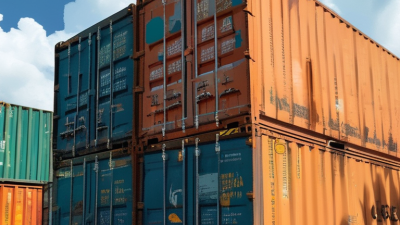
Tips: Request recent inspection records before signing. Check container age, flooring condition, door seals, and CSC plate validity. Ask how quickly damaged units can be exchanged. Confirm storage, repositioning, cleaning, and early-return charges in writing. Small fees can become expensive across hundreds of units.
From practical fleet reviews, lessees should compare total operating cost rather than daily rent alone. A cheaper unit may create delays through poor availability or repeated repairs. China-based lessors can offer strong access to manufacturing hubs and busy export terminals. Yet service quality may differ between depots.
Some contracts look simple but leave damage assessment unclear. That deserves careful questioning. Buyers should review insurance responsibilities, payment terms, and dispute procedures with qualified advisors. Market data also changes quickly, so current fleet availability should be verified directly. A spreadsheet helps, though it cannot replace a depot visit.
Best China Shipping Container Leasing Companies?
Comparing China-based lessors requires more than checking a website’s fleet claim. Start with owned fleet size and total TEU capacity. Drewry’s Container Census 2024 reported continued growth in the global container fleet, reaching roughly 50 million TEU. Leasing companies control more than half of available containers, according to recent industry estimates. A lessor with 1 million TEU can offer scale, but container age, equipment mix, and repair standards matter more for some routes. Ask for separate figures for dry vans, reefers, tanks, and special equipment.
Coverage should be measured by usable locations, not office addresses. Container xChange market reports highlight uneven equipment availability across Asian export hubs, including major Chinese ports. Request depot lists, average release times, repositioning policies, and return options in destination markets. DynaLiners data also shows that global container movements remain sensitive to trade imbalances and port congestion. A large fleet may still leave you waiting in the wrong city. Public numbers can also lag real availability. That is worth questioning.
Tips: Compare fleet size, owned TEU capacity, average container age, and depot coverage in one table. Check at least three months of release performance. Request inspection records and repair-service levels. Calculate the full landed cost, including repositioning, storage, damage claims, and off-hire rules. The cheapest daily rate may become expensive after one missed sailing. Industry reports provide useful benchmarks, but your lane-specific evidence should decide.
Comparing China-based lessors by estimated fleet size, TEU capacity, and geographic coverage
Data presentation: rounded public-disclosure estimates; coverage counts may include direct offices, depots, and partner networks.
China’s container leasing sector connects manufacturing, fleet ownership, and daily logistics. Major equipment producers build standard dry containers, refrigerated units, and specialized boxes. Leasing companies then purchase fleets and rent them to ocean carriers or logistics operators. This reduces large upfront costs and supports faster network expansion.
Drewry’s 2024 Container Census indicates that leasing companies control slightly more than half of the global container fleet. That share gives lessors influence over availability, lease rates, and repositioning decisions. A carrier may need thousands of boxes before peak season. A leasing partner can supply them near export hubs, ports, or inland depots. Small details matter, such as floor condition, door seals, inspection records, and cargo-worthy certification.
Manufacturers focus on steel quality, production speed, and standard compliance. Lessors manage asset utilization, financing, insurance, and recovery after long-distance moves. Carriers coordinate vessel capacity and container flows. Depots inspect, repair, clean, and release equipment for another trip. The UNCTAD Review of Maritime Transport 2024 reported 2.4% growth in global maritime trade during 2023, increasing pressure on equipment planning. Container xChange data also shows that prices and availability vary sharply by region. The model is efficient, but not flawless. Empty repositioning still wastes fuel, time, and money. Better forecasting and shared operational data could reduce those gaps.
China’s strongest container leasing partners should be judged by utilization, not fleet size alone. UNCTAD’s Review of Maritime Transport 2024 projects containerized trade growth of about 3.5% in 2024. That demand can support high deployment. Still, empty repositioning may weaken returns. Ask for monthly utilization by equipment type, region, and customer segment. A 95% fleet figure can hide idle 40-foot high-cube units in inland depots.
Lease terms shape risk. Short leases offer flexibility but usually create higher handling and repositioning costs. Multi-year contracts improve planning, although renewal pricing can become unfavorable. BIMCO’s 2024 container market outlook noted rapid fleet expansion and a large orderbook. More supply may pressure renewal rates. I would compare fixed rates with index-linked clauses. Small wording matters.
TEU rates need a clear definition. Confirm whether the quote covers one TEU per month, handling, inspections, damage claims, and delivery. Regional rate differences can be dramatic. Depreciation also deserves scrutiny. Industry valuation practice commonly separates new-build cost, residual value, age, condition, and repair history. A five-year-old box with clean flooring may outperform a cheaper unit with repeated repairs. Reports from UNCTAD and major equipment-market surveys show why asset cycles can move quickly. Forecasts remain imperfect. That is the uncomfortable part. A cautious model should test utilization at 85%, not only at 95%, and apply faster depreciation during oversupply.
Choosing the best China shipping container leasing company requires more than comparing monthly rates. I examine container type, route suitability, service coverage, and evidence behind every claim. Dry containers may suit regular Asia-Europe cargo, while reefers need dependable power checks and rapid maintenance support. Tank containers require stricter inspection records and technical documentation.
Route experience matters in practical ways. A lessor should explain repositioning plans, depot locations, and repair response times at major ports. Ask how quickly a damaged door, faulty seal, or refrigeration unit receives attention. I also check container age, CSC certification, cleaning procedures, and interchange rules. A low price can become expensive after repeated delays or rejected equipment.
ESG data deserves careful questioning. Reliable records should show fleet age, steel sourcing, refurbishment rates, recycling methods, and measured emissions. Scope 1, 2, and 3 figures are useful only when their boundaries are clearly stated. Some lessors provide polished figures but limited supporting documents. That is a weakness, not a minor detail. Request sample inspection reports, repair histories, and data verification methods. In my reviews, missing records often reveal more than impressive promises. Even strong operators may have incomplete supplier data, especially across older depots. That uncertainty should appear in the final leasing decision.
Subscribe to our newsletter for the latest news and exclusive offers.
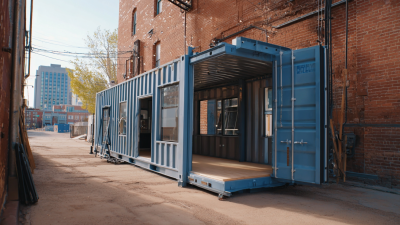
We hold a long-term view when we build modular rooms taking into consideration your changing needs. Whether it’s shifting your workspace to a new site, redesigning your unit to fit new requirements, or simply clearing the area at the end of the project, our Dismantling & Reassembling teams are pressed into service to get the job done in the quickest possible time and minimum resource wastage.
We understand that every project is unique and therefore has a different set of requirements. That’s why we believe in customizing our solutions to fit individual needs. We are equipped with the right talents, technology, and skillset to offer bespoke modular units, without compromising on turnaround time or quality.
The benefits of choosing Containers ME continues long after the installation of the units as we provide aftersales service for as long as you need. All you have to do is sign the Annual Maintenance Contract (AMC) and enjoy technical support for all the maintenance-related issues. By signing the contract, you can rest assured that a highly professional team of dedicated staff are at your service all year round to attend to your needs.
We specialize in Customized Container Solutions designed to meet diverse needs across the UAE. Our offerings include customized modular containers that cater to various applications, from tailor-made container solutions to bespoke container designs.
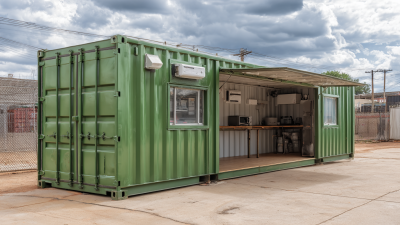
Whether you’re looking for personalized container homes or custom modular containers, we have you covered. Our customized container offices provide functional workspaces, while our customized portable containers ensure flexibility on-site. Explore our range of custom container storage units and customized cargo containers to optimize your space.
We also offer custom container leasing and custom container fabrication services, along with customized sea containers designed for secure transport. For specialized needs, our specialized container modifications will help you create the perfect solution for your requirements in both Dubai and the broader UAE.