In the world of modern architecture and sustainable design, "container conversions" have emerged as a prominent trend. Experts like Dr. Sarah Lawson, a leading figure in sustainable building practices, emphasize the potential of these conversions. She once stated, "Utilizing shipping containers can revolutionize urban landscapes and address housing shortages."
Container conversions offer unique solutions for various needs. From affordable housing to innovative commercial spaces, they present endless possibilities. However, challenges such as insulation and structural integrity must not be overlooked. Each project requires careful planning and expertise to ensure it meets safety standards and aesthetic goals.
As the demand for creative, flexible spaces grows, so does the interest in container conversions. Buyers are exploring diverse options. Whether it's a pop-up shop, a cozy home, or a workspace, the versatility of containers is undeniable. Yet, reflection on the environmental impact and community integration is essential. It's crucial to strike a balance between innovation and responsibility in this evolving sector.
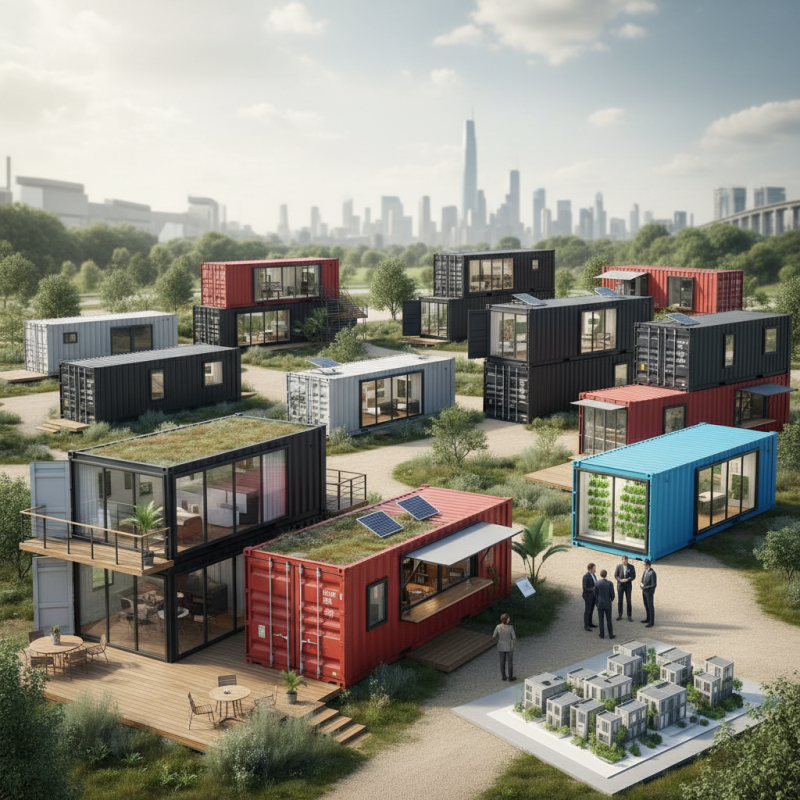
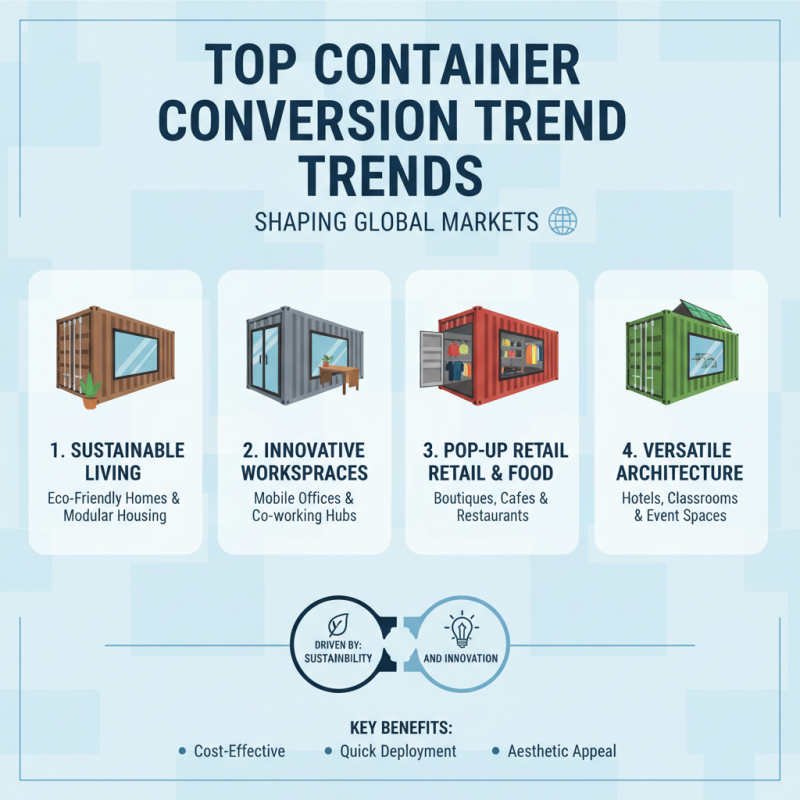
Container conversions have gained significant traction in global markets, driven by sustainability and innovation. Transforming shipping containers into unique living spaces, offices, and retail locations is a notable trend. Many buyers are exploring these options not just for their practicality, but for their aesthetic appeal. Architects increasingly favor these structures for their versatility and cost-effectiveness.
A key trend is the growing popularity of eco-friendly modifications. Buyers are investing in solar panels, green roofs, and rainwater collection systems. These enhancements offer both environmental benefits and reduced operational costs. In urban areas, converted containers often serve as pop-up shops or cafes. This surge in creativity can lead to vibrant community spaces. However, the zoning regulations can complicate such projects. It’s crucial for buyers to navigate these challenges carefully.
Additionally, the aesthetic of container homes is evolving. Many are experimenting with colors, textures, and layouts, which can sometimes result in clashes with local architecture. Buyers might face resistance from traditionalists. These cases highlight the importance of community engagement in successful conversions. Buyers must remain flexible and open to feedback, adapting their designs to better suit their environments. The future of container conversions hinges on combining innovation with thoughtful consideration of local culture and regulations.
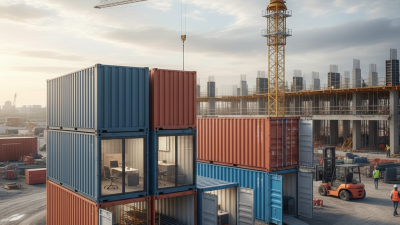
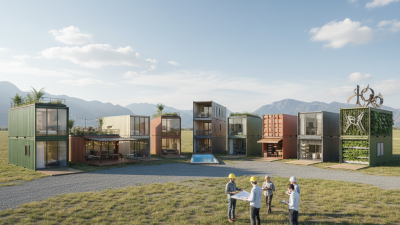
Container homes are gaining traction as an affordable housing solution across the globe. The appeal lies in their versatility and sustainability. According to a 2022 report from the World Economic Forum, the container home market is projected to grow significantly, reaching $73 billion by 2025. This growth showcases a strong interest in alternative housing solutions amidst rising property prices.
Many regions, particularly in urban centers, struggle with housing shortages. A key advantage of container homes is their adaptability. They can be converted into modern living spaces with minimal environmental impact. Each container can be customized, allowing for various layouts and designs, catering to different needs. For instance, a study by Statista revealed that up to 5.6 million housing units could alleviate affordability issues if more communities embraced these structures.
However, there are challenges to consider. Local building codes can complicate the approval process for container conversions. Additionally, some buyers express concerns about insulation and structural integrity. While many builders are addressing these issues, continuous innovation is necessary. Overall, container homes present unique opportunities, yet they are not without their complexities.
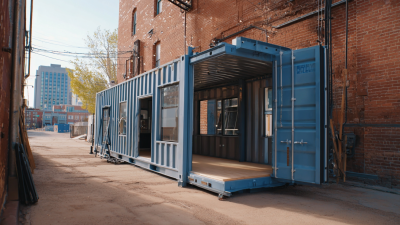
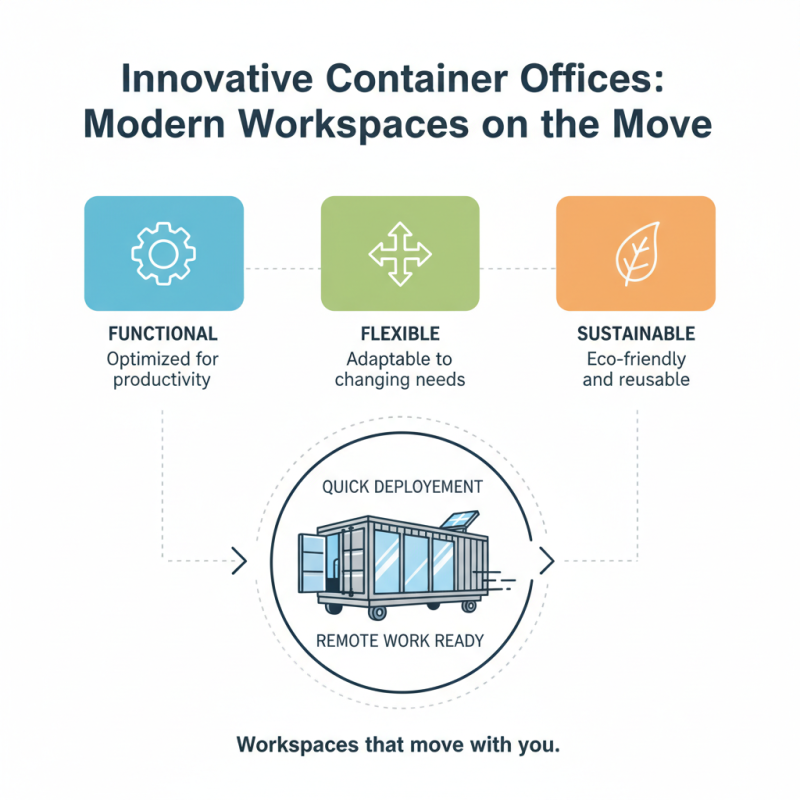
In recent years, innovative container offices have become a popular choice for modern workspaces. These unique structures are functional, flexible, and sustainable. Companies have embraced them for their ability to adapt to changing needs. Container offices can be quickly deployed in various locations, making them ideal for remote work scenarios.
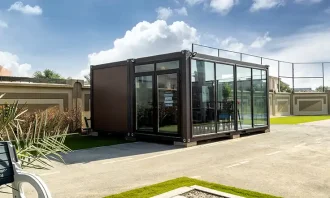
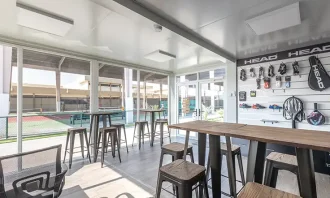
These spaces often feature large windows, ensuring plenty of natural light. Interior designs can be customized, from minimalist styles to vibrant, creative environments. However, achieving the perfect atmosphere can be challenging. Some designs may feel cramped, especially for larger teams. It's crucial to prioritize workspace flow and employee comfort.
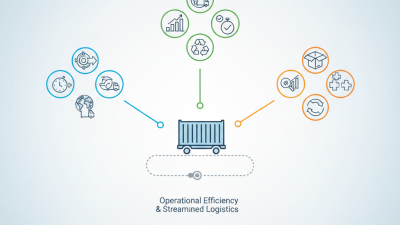
Moreover, while the concept is appealing, the logistics of setting up a container office require careful planning. Transporting and installing these containers can present unforeseen challenges. It's essential to engage with experienced professionals for smoother transitions. Balancing aesthetics with practicality is an ongoing conversation worth having in the container office market.
Eco-friendly container farms are revolutionizing sustainable agriculture practices worldwide. These farms utilize repurposed shipping containers to create controlled environments for growing food. This innovative approach minimizes land use and reduces the carbon footprint associated with traditional farming. By stacking containers, urban spaces can produce fresh vegetables and herbs year-round.
Consider these tips for starting your container farm: choose a location with ample sunlight, as plants thrive in natural light. Invest in good ventilation systems to keep the temperature stable. Additionally, using hydroponics or aquaponics can save water and enhance plant growth. Remember, not all containers are equal. Some may require retrofitting for optimal growing conditions.
Many farmers find that scaling up can be challenging. It's easy to overestimate the crop yields. Starting small can provide valuable insights. Learn from each harvest. Experimentation is vital. Maintaining consistent growing conditions can be tricky at times. Flexibility in your approach will cultivate resilience. Embrace adjustments as part of your farming journey.
Mobile container retail spaces are transforming shopping. This innovation caters to the rising demand for flexible and unique retail experiences. According to a report by Allied Market Research, the global mobile retail market is projected to reach $50 billion by 2027, growing at a CAGR of 20.3%. Container shops are cost-effective and can be relocated easily, appealing to diverse retailers.
These retail spaces offer an opportunity for local businesses to test markets. Their modular design allows for innovative merchandising layouts. This type of shopping experience enhances customer engagement. However, challenges exist, such as zoning regulations and securing permits. Retailers must navigate these hurdles thoughtfully.
Tip: Understand your target demographic. Research their shopping habits. Customizing your mobile retail space to meet their needs can boost sales. Be aware: consumer preferences can change quickly. Stay adaptable to trends and feedback. Experimenting with different layouts may lead to unexpected results. Remember that not every approach will work perfectly. Adapt and learn continuously.
Subscribe to our newsletter for the latest news and exclusive offers.
We hold a long-term view when we build modular rooms taking into consideration your changing needs. Whether it’s shifting your workspace to a new site, redesigning your unit to fit new requirements, or simply clearing the area at the end of the project, our Dismantling & Reassembling teams are pressed into service to get the job done in the quickest possible time and minimum resource wastage.
We understand that every project is unique and therefore has a different set of requirements. That’s why we believe in customizing our solutions to fit individual needs. We are equipped with the right talents, technology, and skillset to offer bespoke modular units, without compromising on turnaround time or quality.
The benefits of choosing Containers ME continues long after the installation of the units as we provide aftersales service for as long as you need. All you have to do is sign the Annual Maintenance Contract (AMC) and enjoy technical support for all the maintenance-related issues. By signing the contract, you can rest assured that a highly professional team of dedicated staff are at your service all year round to attend to your needs.
We specialize in Customized Container Solutions designed to meet diverse needs across the UAE. Our offerings include customized modular containers that cater to various applications, from tailor-made container solutions to bespoke container designs.
Whether you’re looking for personalized container homes or custom modular containers, we have you covered. Our customized container offices provide functional workspaces, while our customized portable containers ensure flexibility on-site. Explore our range of custom container storage units and customized cargo containers to optimize your space.
We also offer custom container leasing and custom container fabrication services, along with customized sea containers designed for secure transport. For specialized needs, our specialized container modifications will help you create the perfect solution for your requirements in both Dubai and the broader UAE.